
How to Choose the Right Scratching Post for Your Cat
Choosing the right scratching post for your cat is essential in addressing their natural clawing behavior. Cats need to scratch to maintain their claws and mark their territory. A scratching post helps them fulfill these instincts while preventing damage to furniture and carpets. When selecting a scratching post, consider your cat’s size, age, and scratching preferences. Observing where your cat prefers to scratch can guide your choices. Look for materials that are durable and appeal to your cat’s preferences. Some cats enjoy sisal rope, while others prefer carpeted surfaces. The position of the post is vital; place it in areas your cat frequently visits or scratches. Additionally, test height and stability. A good scratching post should be tall enough for your cat to stretch but sturdy enough to withstand scratching. This prevents frustration and encourages regular use. Finally, consider the style. With so many designs available, select one that fits your home decor while enticing your cat. By carefully assessing your cat’s needs, you can help redirect their scratching to appropriate surfaces.
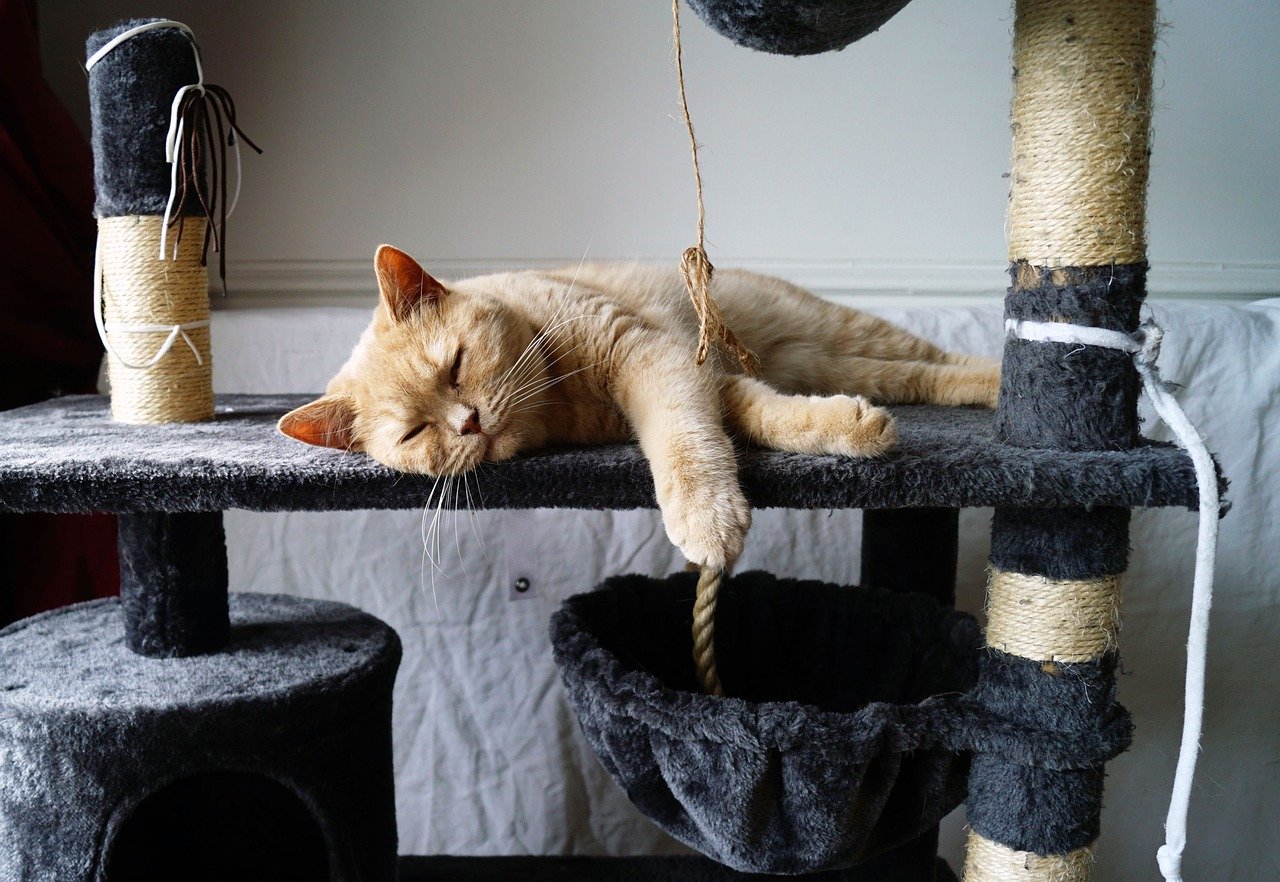
A well-chosen scratching post enhances a cat’s environment and provides enjoyment. To gain additional insight into your choices, understand your feline’s unique scratching habits. Observe which surfaces attract your cat’s attention. If they often scratch against your couch or carpet, they may enjoy similar textures. The size of the scratching post is another vital factor. Some cats prefer vertical scratching, while others prefer horizontal surfaces. Therefore, having a scratching surface for both types is beneficial. If your cat enjoys climbing, a longer post with various heights may be ideal. This lets them scratch and perch simultaneously, creating a fun play area. If your cat excels at jumping, consider wall-mounted options that allow them to stretch while they scratch. Additionally, integrating other play elements like toys or platforms will keep your cat entertained while using their scratching post. Regularly rotating or rearranging the scratching posts can also keep them interested. Consider placing a post near their favorite resting spots. This will encourage them to use it more instead of your furniture. With patience and the right approach, your cat will develop good scratching habits.
Another important aspect to consider is the post’s stability. A wobbly or unstable scratching post will frustrate your cat and discourage them from using it. When shopping, check the base width; a broader base ensures stability during vigorous scratching sessions. Ensuring it doesn’t topple over will help your cat feel secure while being encouraged to scratch. Additionally, consider the height of the post. A taller scratching post allows your cat to stretch fully, providing more satisfaction during the scratching process. If you notice your cat does not utilize a shorter post, it may be worth investing in a taller one. This is crucial, especially for larger breeds. Also, the scratching post should cater to your cat’s natural instincts. This means providing both horizontal and vertical options. Cats have varied preferences, and a combination will satisfy different users. Lastly, encourage the use of the scratching post by using catnip or toys. This additional motivation will attract your cat to the post, enhancing engagement. Creating an enjoyable and appealing space will foster good scratching habits, which ultimately protects your upholstery and furnishings from damage.
Materials Matter
In your search for the perfect scratching post, carefully evaluate the materials used in its construction. Common options include cardboard, sisal, and carpet. Each material has its advantages and disadvantages based on your cat’s behavior. Sisal scratching posts tend to be durable and withstand heavy scratching without fraying. These posts typically engage cats, as they can effectively dig their claws into the material. If your cat loves texture, carpeted surfaces may appeal to them, but these may wear out faster. Cardboard is lightweight and an inexpensive option but requires replacing more frequently. It’s also fun for cats who enjoy the texture and sound of scratching against cardboard. Ensure that whatever material you choose does not have any harmful elements that could pose a risk to your cat. Check for loose strings or excess dye. Essential materials to avoid include anything harmful or toxic in the construction process. Remember to regularly observe the wear of the scratching post. If it becomes damaged, it’s essential to replace it to ensure your cat’s safety and continued engagement with scratching activities.
When you’ve picked the right scratching post, proper placement becomes essential to encourage its use. Cats tend to scratch after sleeping or waking up, so placing the post near their resting area can increase its appeal. Additionally, if your cat showcases specific spots for clawing, placing the post nearby can help redirect this behavior. Cats often prefer to scratch after meals or playtime, so make sure the post is easily accessible in those moments. Observe where your cat loves lounging; this can give clues on optimal positioning. Place the scratcher in high-traffic areas or social spaces in your home. If your home has multiple cats, consider having several scratching posts to prevent competition. Space them out to cater to the habits of different cats. Creating a dedicated area for scratchers can help them create a positive association with their designated post. You can also maintain their interest by using interactive toys or treats nearby. The right placement of the scratching post makes a significant difference in your cat’s chewing habits and the post’s longevity.
Regular maintenance of your scratching post is another critical aspect to consider when providing for your cat’s needs. Over time, a post can wear down and become less effective at satisfying your cat’s scratching instincts. Inspect the post regularly for any signs of wear, ensuring that there are no hazards or loose pieces. Pay close attention to the condition of the surface, as worn-out materials can lead to frustration for your cat. If the scratching area shows signs of depletion, replace or rejuvenate it to maintain interest among your feline. Additionally, cleaning the post regularly will prevent the accumulation of dirt and odors. This can be done easily with a vacuum or a damp cloth, ensuring it stays fresh for your cat. Introducing catnip regularly can help keep the scratching post appealing and enticing for your cat. If your cat seems uninterested, consider switching the scratching post out for another design or material. The key is always to assess and adapt to your cat’s changing needs, ensuring they continue to enjoy their scratching accessories.
Conclusion
Choosing the right scratching post for your cat is crucial in promoting healthy clawing behavior. It can prevent expensive damages while improving your cat’s quality of life. Careful consideration about the materials, size, and shape of the post will suit your cat’s preferences. Placing the post in strategic locations will encourage its use, while maintenance ensures its continued effectiveness. Don’t forget about the various types available on the market! From vertical to horizontal designs, mixing and matching can cater to different scratching preferences. Remember that every cat is unique, and observing their habits can inform you about their preferences. A well-maintained investment in the right scratching post will foster a happy and well-adjusted cat. After all, satisfied scratching needs contribute positively to their overall well-being. With the right tools, you can both protect your home and nurture your cat’s instincts. Adapting to their needs enhances their enjoyment, creativity, and satisfaction during scratching. By prioritizing your pet’s preferences, you can create a harmonious environment where scratching becomes a joyful experience.