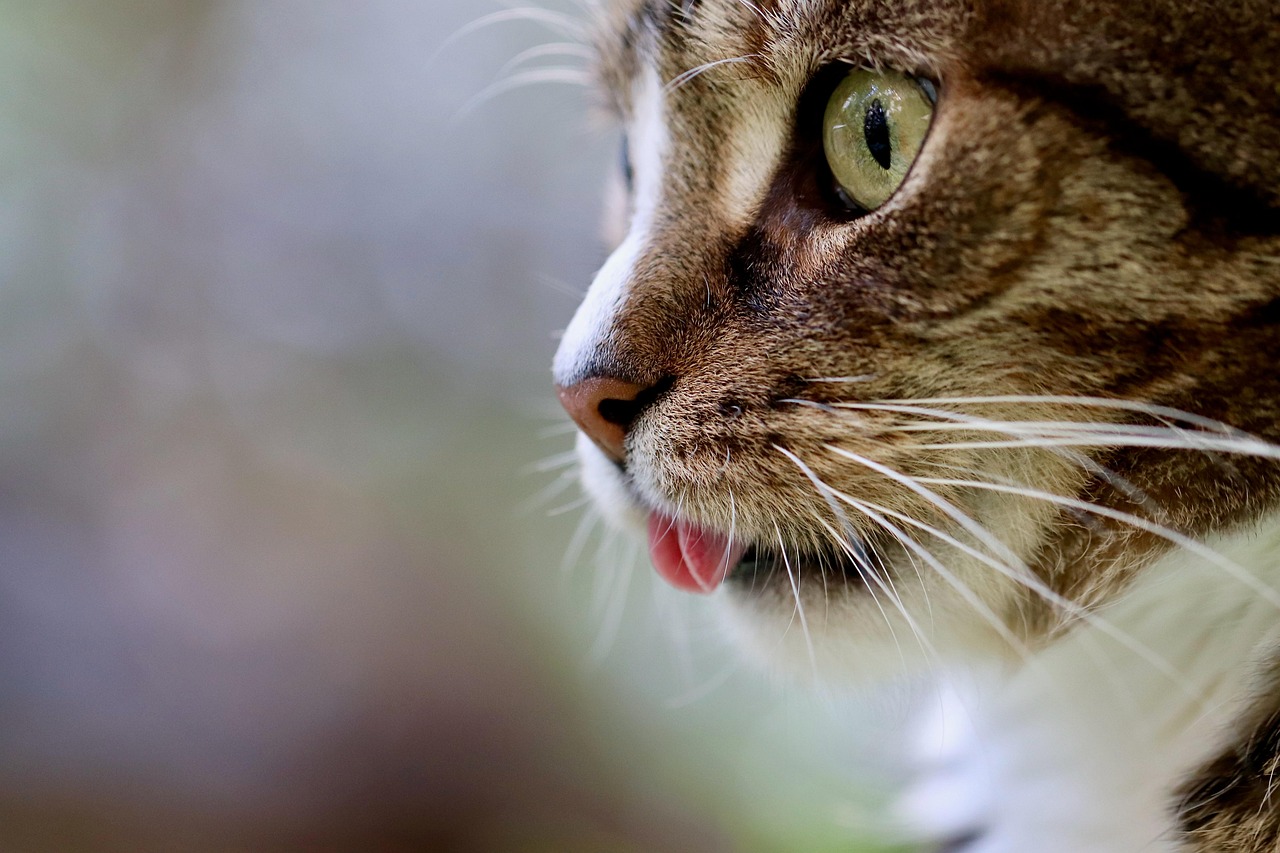

The Role of Nutrition in Cat Coat Health
Maintaining a healthy coat for your cat begins with understanding the role of adequate nutrition. Cats primarily require a diet rich in protein, which is essential for their overall health and coat condition. A high-quality feline diet should consist of lean meats, fish, or quality protein sources. Many owners overlook the significance of omega fatty acids, which are critical for coat luster and skin health. These can be derived from fish oil, flaxseed, or supplements specifically designed for cats. Additionally, vitamins A, E, and B serve crucial roles in skin maintenance, along with antioxidants that support a shiny coat. Therefore, as a pet owner, understanding the nutritional needs of your cat leads to healthier fur. Regular vet check-ups can guide you on dietary needs unique to your cat’s breed and life stage. Offering fresh water alongside meals is equally vital. Hydration directly impacts skin elasticity and fur moisture. Consider rotational feeding strategies that incorporate various fresh and high-quality ingredients. Gradual dietary changes can ensure cats get balanced nutrition tailored to their unique needs and health concerns, paving the way for healthier skin and a vibrant coat.
Aside from basic macronutrients, the timing and method of feeding can also affect your cat’s coat health. Cats naturally produce oils in their skin, contributing to their fur’s appearance. Ensuring that they consume their food at regular intervals helps regulate these oil secretions. You may want to split standard meals into smaller portions throughout the day. In addition to allowing for oil distribution, this method can support better overall digestion and nutrient absorption. Some high-quality cat diets also contain additives like probiotics, which improve gut health and, as a result, contribute to a better coat condition. A well-functioning digestive system helps ensure that your cat properly absorbs all the essential nutrients needed for fur health. Additionally, learning about the preferences and dislikes of your cat can also transform mealtime, making them more engaged. Introducing new flavors gradually can also keep your furry friend interested. Experimenting with texture can lead to better appetite and nutrition intake, contributing to the coat health you desire. Always consult with a veterinarian when making any significant dietary transitions or incorporating new products to ensure they cater to your cat’s individual needs.
Effects of Poor Nutrition on Fur
Just as good nutrition promotes a healthy coat, poor nutrition can lead to various skin and coat problems. Insufficient protein intake, particularly, can result in a dull and lifeless coat. Without the necessary building blocks for hair, your cat may suffer from excessive shedding and even bald patches. Lack of essential fatty acids leads to dry skin, which can flake and become prone to infections. Not only do these conditions affect aesthetics, but they can also cause discomfort for your pet. Allergies can also stem from nutritional deficiencies, as an unbalanced diet weakens the immune system’s response. Cats experiencing such issues might exhibit other symptoms too; excessive grooming behavior may indicate something is wrong. Therefore, if you notice significant changes in your cat’s appearance, it may start with what’s in their food bowl. It’s crucial to observe these signs and consult your veterinarian promptly to address any nutritional gaps. By ensuring your pet receives a balanced and wholesome diet, you can prevent many common coat-related disturbances and help your feline friend maintain its natural charm and beauty.
Feeding your cat high-quality dry or wet food is one of the best investments in their coat health. Look for food that lists meat as the primary ingredient and avoid those filled with fillers like corn and soy. Much like humans, the quality of food available to your cat has a direct impact on their coat condition and health. Veterinary nutritionists often emphasize the importance of reading labels on cat food, understanding what’s essential for your pet’s diet. Supplementing with additional nutrients—like biotin—which is known to encourage healthy fur growth, can have a noticeable impact. Additionally, some cat owners find that incorporating home-prepared meals can enrich their cat’s diet. However, it’s crucial that these meals are balanced. Avoid seasoning and certain human foods that can harm your cat’s digestive system. When considering homemade options, study recipes that align with their nutritional needs. Additionally, if you opt for fresh food, ensure it is sourced from reputable suppliers, as this can ensure it’s free from harmful additives. A focus on food quality can produce positive changes in your cat’s coat health over time.
Hydration and Its Impact
Hydration should be a cornerstone of your cat’s nutritional needs. Water directly affects the health of both the skin and coat, and many cats do not drink enough water daily. Encouraging your cat to drink can promote better skin hydration, which can mitigate issues like dry or flaky skin. It’s essential to provide fresh, clean water at all times, as hydration helps with food digestion and absorbing nutrients essential for fur health. Consider offering wet food options as they contain higher moisture content, which can significantly add to your cat’s daily water intake. Using water fountains may also entice cats to drink more frequently. Cats are often attracted to running water, reminiscent of fresh streams. Consequently, they may prefer drinking from a fountain rather than a bowl. Additionally, experimenting with various types of bowls or containers can also affect your cat’s drinking habits. Always monitor your cat’s drinking and encourage increased water intake, particularly during warmer months. Adequate hydration directly reflects healthy skin and coat condition, confirming the essential connection between water consumption and overall feline well-being.
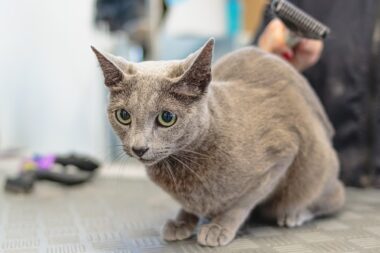
Grooming is another aspect intricately connected to both nutrition and coat health. Regular grooming sessions can help to remove loose fur and distribute natural oils throughout your cat’s coat, enhancing its appearance and health. While grooming in itself is a form of bonding with your pet, it can also minimize stress for them. Upon noticing how they respond to grooming sessions, make it a routine for your cat. Use various tools such as brushes tailored for your cat’s fur type to ensure a thorough cleaning. Pay attention to mats and tangles, ensuring that you address any issues gently. Regular grooming not only improves coat texture but also allows you to check for what may occur beneath the surface, like skin irritations or unusual lumps. This can be beneficial for overall cat health as well, as significant changes may prompt discussions during veterinary visits. Combine this with proper diet maintenance for full coat health advantages. With an intentional grooming regimen, alongside a balanced diet, you can ensure that your feline companion displays a dazzling coat.
Holistic Approach
A holistic approach to your cat’s health encompasses nutrition, grooming, and preventive care. Each of these components works together synergistically. A well-balanced diet fosters a strong foundation for good skin and fur, while regular grooming ensures that this foundation remains intact. Don’t forget the importance of regular veterinary check-ups that help monitor your cat’s overall health. This can also include dental care, another often-overlooked area affecting general well-being. Your cat’s fur may be telling a story about their overall health—changes might reflect underlying medical issues that require attention. A proactive approach creates healthier lifestyles for your feline friends. Making these small changes can have profound effects in the long run. Beyond diet, activities that encourage physical exercise can contribute to better overall skin health, as movement increases circulation, delivering necessary nutrients directly to skin cells. Moreover, the bond formed during these activities can contribute to less stress, boosting immune function. By committing to a holistic strategy that integrates routine care and healthy feeding practices, you cultivate an environment where your pet can thrive, enjoying optimal health through all stages of life.