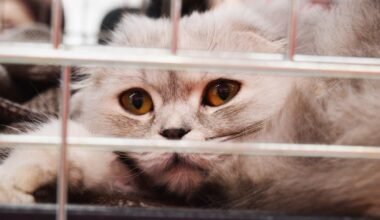

Pandemic Effects on Trap-Neuter-Return Programs for Stray Cats
Across the globe, the COVID-19 pandemic severely impacted various community services, including Trap-Neuter-Return (TNR) programs aimed at controlling stray cat populations. Many organizations faced immediate shutdowns and reduced workforce capacity, significantly hindering their routine operations such as trapping cats and facilitating spay/neuter procedures. With veterinary clinics operating at limited capacity, the opportunities for timely intervention dwindled. The effects of social distancing meant that volunteers who are crucial to these efforts were often unable to participate. The cat overpopulation problem, already acute in many urban areas, exacerbated during the pandemic due to lack of spaying and neutering activities. Moreover, essential funding sources for these programs were disrupted, leading organizations to scramble for alternative resources. The increased strain on community shelters saw more cats entering the system but with fewer resources available to manage their care and well-being. Consequently, the struggle to control the stray cat population intensified as community members became increasingly concerned about animal welfare. The compounding factors of financial instability and limited operational capacity led to a troubling scenario for TNR agencies that primarily rely on community involvement and assistance.
The initial response from volunteers and shelters varied widely across regions. Some organizations quickly pivoted, adapting new methods for outreach and education, while others could not perform any TNR efforts. Educational campaigns about stray cat management shifted to virtual avenues to maintain community engagement, utilizing social media to disseminate critical information. Webinars and digital resources allowed feline advocates to continue advocating for TNR, educating the public on the importance of spaying/neutering, and sheltering practices. Areas implementing restrictions on the public were forced to find creative solutions to fulfill their commitments to animal welfare during these challenging times. However, the hiatus in active TNR work led to increased outdoor cat populations and raised concerns among communities. Many traditional practices were modified, and as a result, both positive and negative impacts arose from these changes. Lack of access to veterinary services for spaying and neutering left many cats unaltered. Many community members reported sightings of increased litters, compounding the existing problem whenever TNR services resumed, leading to urgent calls for action and fundraising effort renewals. This disruption was a wake-up call for widespread systemic reform in animal welfare sector practices.
Community Response Initiatives
Communities were compelled to step up during this crisis, showcasing resilience and compassion towards stray cats. Individuals and organizations creatively explored new safety protocols while continuing their work. Some harbored new ways to set up outdoor feeding stations or implement community cat programs safely. Online fundraising campaigns played a pivotal role, enabling shelters and TNR groups to raise money through virtual events. Social media platforms allowed for wide-reaching outreach, fostering community ties. Fundraising efforts evolved into online auctions, live-stream adoption events, and donation drives embracing the concept of ‘buy local’ for resources, helping sustain the TNR initiative financially. Many cat colonies previously managed by volunteers were suddenly left unattended and vulnerable. Innovative re-engagement strategies were developed to recruit new volunteers while existing ones faced anxiety due to health concerns. As circumstances sometimes worsened, more community members recognized the urgent need to intervene on behalf of these animals. Local businesses collaborated with non-profits, providing discounts on supplies or sponsorship opportunities, further connecting their efforts together. This spirit of cooperation amid chaos helped mitigate some detrimental effects of pandemic restrictions.
Another significant issue affecting TNR programs was the impact on public perception of stray cats during the pandemic, as statistics showed increased calls reporting more visible cat colonies. Many people, sheltering at home, noticed more street cats foraging for food, which raised awareness for their plight. Increased visibility of stray cats led to heightened curiosity and empathy, prompting residents to seek solutions. However, misinformation surrounding stray cats persisted, complicating their situation amid local policy changes. Some local citizens were alarmed by the perceived increase in stray populations and called for traps that could lead to mass removal, showcasing the importance of effective education and outreach. Misinformation campaigns aimed at promoting fear rather than understanding compromised the progress made by passionate advocates. Therefore, it became increasingly critical for TNR programs and organizations to proactively present facts and dispel myths about feral and stray cats. Strong community engagement included information on their role in public health systems, ecological balance, and how TNR operates as a sustainable solution. Online platforms became invaluable for collaboration between TNR advocates, threatening misinformation and creating awareness about cats’ realities.
Challenges Facing TNR Agenda
The pandemic also highlighted several systemic challenges that TNR programs have faced historically. Kittens born to stray and feral cats require fast intervention to prevent further overpopulation, but partnering veterinary clinics struggled to offer the required services during the pandemic. Many clinics faced shutdowns or limited best practice implementations, creating an overwhelming backlog of cases. Increased costs for TNR services, combined with unpredictable funding streams and limited emergency support, made it difficult for organizations to maintain day-to-day operations. Many shelters were filled beyond capacity with stray animals, leading to urgent pleas for foster homes. TNR practitioners sought additional partners in the veterinary community, yet the pandemic’s impact strained local resources, making spay/neuter services less accessible. The need for more widespread education highlighted the lack of available data on stray and feral cat populations, leaving advocates scrambling to assess the extent of the growing issue. The urgency for collaboration across animal welfare organizations emphasized the necessity for unified efforts. It became painfully clear that creating a sustainable future for TNR programs required concerted efforts toward advocacy, education, and policy reform.
Advocacy during the pandemic evolved, reflecting a renaissance of TNR efforts in response to heightened awareness of cat welfare. Adaptation was key; TNR programs began forging partnerships with services within local municipalities and animal control offices to leverage shared resources. Those relationships often provided the potential for transformation within the communities witnessing overpopulation issues. Furthermore, organizations were challenged to develop comprehensive outreach strategies to inform stakeholders about the importance of TNR and its ecological benefits, bridging gaps with broader animal welfare discussions. Advocates aimed at improving communication channels among rescue groups, municipal organizations, and concerned citizens, offering technical assistance in creating effective TNR plans. The experiences learned during this unprecedented time spurred conversations around sustainable solutions in feline population management. Many stakeholders recognized that involvement from various sectors could lead to long-term solutions. It encouraged shared ownership of cat welfare issues, ultimately promoting a collaborative approach towards responsible pet ownership and community education. As TNR programs adapted, they began fostering new relationships with the public, revealing an opportunity for growth and transformation in the local animal welfare landscape.
Looking Ahead
As communities emerge from the pandemic, the focus is on instilling lasting change by revitalizing TNR programs. The presence of caring communities seeking to advocate for strays presents an opportunity to build on the momentum generated during the pandemic. Sustainable practices emphasizing education, collaboration, and building trust are crucial for addressing immediate overpopulation crises. Adjusting to post-pandemic realities entails conducting increases in outreach efforts and embracing innovative initiatives to continue awareness. Through dedicated efforts that motivate volunteers and community members, such programs can extend their reach. As cooperation becomes increasingly vital, one goal should involve strengthening partnerships with local businesses as they contribute to resource availability and financial sustainability. The pandemic highlighted vulnerabilities, yet it also provided insights into the transformative power of community activism and resiliency. The path forward must include refining advocacy efforts, ensuring TNR programs effectively collaborate and address systemic challenges. The ultimate focus remains on protecting those vulnerable lives dependent on human intervention. While the world has changed, the commitment to stray cats remains critical, and fostering a unified effort continues to ensure their future.
Ultimately, it is evident that TNR programs must adapt not only to the challenges imposed by the ongoing global health crisis but also to the changing dynamics within communities. Utilizing innovative outreach and communication strategies while embedding principles of compassion and collaboration will foster an inclusive environment for ensuring the welfare of stray cats. Advocates and supporters are tasked with creating platforms for continued education, facilitating awareness to mitigate common misconceptions about feral cat populations. Involving local governments can enhance support for TNR initiatives, encouraging the implementation of citywide TNR policies that promote humane practices. As we embark on this journey toward recovery, the coordination between rescues, shelters, and veterinary clinics must be emphasized, pooling resources and reinvigorating a collective mission. Public involvement must prioritize grassroots initiatives, as community engagement will trend toward long-term sustainability efforts. This involves not only capturing funding but actively engaging volunteers willing to support cat welfare. The reality established in many communities reveals that change is possible, and the tireless efforts of advocates mold the future for strays. The potential for reform offers hope, ensuring the strays’ lives are valued and protected against the backdrop of ongoing challenges.