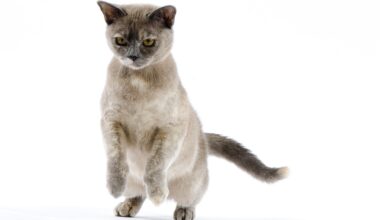

The Impact of Zinc and Magnesium on Feline Behavioral Health
Nutrition plays a pivotal role in a cat’s behavioral health, and selecting the right supplements can lead to significant improvements. Zinc and magnesium are two minerals crucial for a cat’s overall well-being. These minerals not only support physical health but also influence behavioral aspects. Zinc aids in immune function and healing, while magnesium impacts neurotransmitter activity which affects mood and behavior. When cats receive adequate amounts of these minerals, they are more likely to exhibit calm and stable behaviors. Incorporating these supplements into a cat’s diet can lead to reduced aggression and anxiety, contributing to a harmonious home environment. Ensuring that a cat’s diet is enriched with zinc and magnesium can enhance their responsiveness to training and social interactions. This improvement can lead to a better understanding between cats and their owners, fostering a stronger bond. It’s important to consult with a veterinarian to determine appropriate dosages based on the individual needs of your cat. Each cat is unique, and their dietary requirements may vary depending on age, weight, and health conditions.
The Behavioral Benefits of Adequate Zinc Levels
One vital aspect of cat nutrition is zinc supplementation, which plays a crucial role in behavioral health. Zinc is essential for numerous biological functions, including cellular repair and immune response. A deficiency in this mineral can lead to lethargy, aggression, and increased anxiety levels. When cats receive sufficient zinc, they often display more sociable behaviors and are less prone to stress. Observing the behavioral changes post-supplementation can be astonishing; many owners report noticeable improvements in their cat’s interaction with others. Many cats exhibit more playfulness and less irritability when they have optimal zinc levels. This mineral encourages a healthy neurological function, which is tied closely to emotional health. Additionally, providing zinc-rich foods or quality supplements can address behavioral problems associated with deficiencies. Ensure to consider high-quality sources of zinc to provide the best possible outcome for your pet’s behavior. Cats may vary in their dietary needs, and it is advisable to consult with your veterinarian before introducing new supplements. Proper dietary adjustments can lead to significant improvements in mood and behavior.
The Role of Magnesium in Feline Behavior
Magnesium is another essential mineral vital for feline health, impacting not just physical but also psychological well-being. This mineral influences brain function and mood regulation, making it crucial for managing anxiety and aggression in cats. An adequate intake of magnesium helps ensure proper nerve function and muscular relaxation. Deficiencies in magnesium can lead to behavioral issues, including increased excitability or irritability. By incorporating magnesium into their diet, cats can show improved mood and calmness. Cats suffering from anxiety often benefit from increased magnesium levels as this mineral aids in the production of serotonin, which is linked to feelings of happiness and well-being. Many owners notice their pets more peacefully when supplemented with magnesium-rich products. Foods like fish or poultry can provide natural sources of magnesium, but often supplementation is required to meet a cat’s needs. As magnesium aids in stress reduction, many behavioral issues can resolve when adequate levels are maintained. Always consult your vet to tailor the magnesium levels to your cat’s unique needs for advanced behavioral health.
Signs of Deficiency in Cats
Recognizing signs of deficiency in zinc and magnesium can be pivotal for owners in maintaining their cat’s behavioral health. Common symptoms might include increased irritability, lack of interest in play, or social withdrawal. Cats may also exhibit odd compulsive behaviors, which can worsen over time if deficiencies are left unaddressed. Additionally, altered eating or grooming habits can indicate a need for more essential minerals. Cats may become prone to stress-related behavioral issues, such as excessive vocalization or litter box problems when their diet lacks these nutrients. Identifying these signs is the first step to improving your cat’s well-being. If your cat is displaying any of these behaviors, it is crucial to consult with a veterinarian. They can assess the situation and recommend specific tests or dietary adjustments needed to restore balance. Early intervention can greatly enhance your cat’s mental health and restore their normal, playful demeanor. A balanced diet rich in essential vitamins and minerals can prevent these health issues, leading to happier, more balanced felines.
Incorporating Supplements into Your Cat’s Diet
Incorporating zinc and magnesium supplements into your cat’s diet can be an effective strategy for improving their behavior. Various products are available, including powders, treats, or chewable tablets that make administration easy and pleasant for cats. When choosing a supplement, consider the form that your cat prefers, thus ensuring they receive their necessary nutrients. It is advisable to introduce any new supplements gradually to adapt your cat’s digestive system. Monitor your pet’s reaction closely to the supplements, taking note of any behavioral changes. Look for improvements in their playfulness, sociability, or reduction in destructive behaviors. The right dosage is also imperative to avoid complications from over-supplementation, which can lead to adverse effects. Consulting your veterinarian will help you determine the correct regimen for your pet’s individual needs. Customizing their dietary supplements is a practical approach to achieving optimal health. Additionally, maintaining a consistent feeding schedule with a balanced diet and fresh water can maximize the benefits of these supplements. A proactive approach in adjusting diets is key to a fulfilling life.
Long-term Benefits of Improved Behavioral Health
Long-term benefits of improved behavioral health through proper nutrition are substantial and can greatly enhance a cat’s quality of life. Cats with well-balanced diets exhibit lower stress levels and improved social interactions, leading to a more harmonious environment for both the cat and owner. Enhanced behavioral health can also lead to better physical fitness, as cats are more engaged in play and exercise when they are happy. This increased activity can prevent obesity-related health issues, creating a positive feedback loop of good health. Regular supplementation of essential minerals can promote longevity and overall well-being in your feline friend. Beyond physical aspects, a happy, well-nourished cat fosters a loving bond between pet and owner. Many owners find that cats with rich, balanced diets become more affectionate and connected. Improved mental health translates into better relationships and makes daily interactions more enjoyable. Thus, investing in proper nutrition through zinc and magnesium can yield impressive results. As responsible pet owners, we should prioritize nutritional needs for our beloved feline companions. Long-term wellness patterns reflect in joyful feline behaviors.
Consulting with a Veterinarian
Lastly, always consult with a veterinarian before starting any supplementation for your cat. This step provides peace of mind, as your vet can offer tailored recommendations based on breed, age, and specific health conditions. They may recommend appropriate dosages of zinc and magnesium according to your cat’s dietary requirements. Additionally, regular health check-ups can ensure that there are no underlying health issues that might affect your pet’s behavior. Your veterinarian’s insights can be invaluable in creating a customized nutrition plan that fits your cat’s unique needs, ensuring maximum benefits from minerals. Proper veterinary guidance minimizes risks associated with over-supplementation or adverse reactions. Regular monitoring of your cat’s progress can help adjust dietary plans as needed in response to behavioral changes. Formulating a strategic approach to nutrition with the assistance of a veterinarian can profoundly benefit your cat’s overall health and happiness. This professional advice can lead to successful management of behavioral issues. Investing time in professional consultations ensures a healthier, more balanced life for your fur friend.