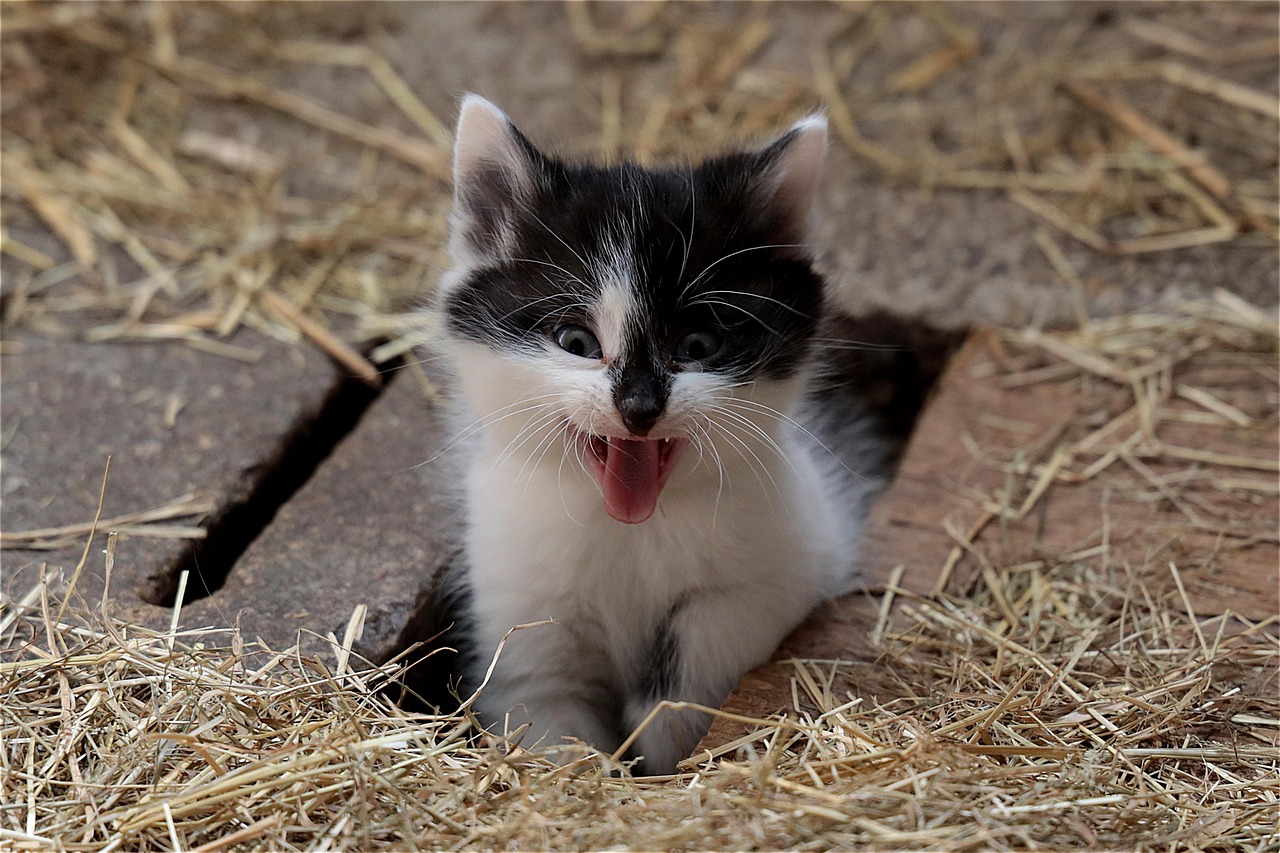

Exploring the Development of Fear Responses in Kittens
Fear responses in kittens undergo significant development during their early weeks of life. Understanding these responses is crucial for cat owners. Kittens are born nearly blind and deaf, relying on their mother for safety and nourishment. As they grow, they become more aware of their surroundings. The initial reaction to new stimuli is often a reflexive fright response. This can manifest in behaviors such as hiding or freezing. A kitten’s fear response is influenced by several factors, including genetics and early socialization experiences. The critical socialization period occurs between 2 to 9 weeks of age, where their experiences shape their reactions to fear-inducing situations. Positive interactions during this time can help kittens develop confidence, while negative experiences may contribute to chronic fear or anxiety. It’s essential to expose kittens to a variety of environments, people, and sounds gently, ensuring that these experiences are positive. Owners can use treats and play to help their kittens associate new experiences with positive outcomes. Early socialization can significantly impact a kitten’s long-term behavior and emotional health, making understanding these responses vital for nurturing well-adjusted adult cats.
Understanding the types of fears kittens may face is essential in helping them develop appropriate responses. Fear can be categorized broadly into two types: innate and learned. Innate fears are those that are instinctual, such as fear of loud noises or unpredictable movements. Kittens may display heightened sensitivity to these stimuli, reacting instinctively to protect themselves. In contrast, learned fears develop from specific experiences. For example, if a kitten has a negative experience with a vacuum cleaner, it may learn to fear that object specifically. This learned behavior can often lead to avoidance. Owners play a crucial role in their kittens’ emotional development. By providing a stable and safe environment, they can minimize the exposure to frightening stimuli. Gradual introductions to new experiences can help build a kitten’s confidence. Behavioral observation is key to identifying fears, as each kitten is unique. It’s important to recognize signs of stress, such as hissing, hiding, or attempting to escape. Providing comfort and security during these fearful moments is critical. Training techniques like clicker training can be effective in helping kittens learn to cope with their fears in a positive way, enhancing their social skills.
Environmental Influences on Fear Development
The environment a kitten grows up in greatly influences its fear development. Kittens exposed to varied stimuli during critical developmental phases tend to cope better with novel experiences in adulthood. For example, exposure to different sounds, people, and animals can help mitigate fear responses later in life. Conversely, a lack of stimulation or overly stressful situations can lead to heightened anxiety or fear. Kittens raised in a stable environment with consistent boundaries and social interactions tend to develop healthy coping mechanisms. Moreover, the presence of a nurturing figure, such as a mother cat or caretaker, plays a crucial role. Positive associations formed during kittenhood can build resilience against fears. Introducing them to new experiences slowly and allowing the kitten to explore at its own pace is essential. Environmental enrichment, such as toys and climbing spaces, can encourage exploration and reduce fearfulness. Safe spaces should be created where kittens can retreat when feeling threatened. Understanding how the environment shapes their perceptions can help owners create a more supportive environment as they grow. Ultimately, helping kittens learn that they are safe is key to fostering confidence and reducing fear.
Social interactions are particularly impactful on fear responses in kittens. Kittens that are properly socialized with humans and other pets during their formative weeks demonstrate fewer fear reactions later. Early interactions teach kittens about body language and social cues vital for navigating their environment safely. For instance, a kitten that experiences positive handling by humans learns that people are not threats but sources of comfort. Conversely, negative or rough handling can instill fear and anxiety. To promote socialization, it’s beneficial to expose kittens to children, other cats, and even dogs under controlled conditions. Supervised playdates can encourage safe interactions, building confidence. It’s essential to pay attention to the kitten’s body language during these encounters. Signs of stress, like ears back or puffed fur, indicate the need for a break. Additionally, using toys during socialization can help shift the focus away from potential stressors. Short, frequent sessions of social interaction are preferred over long sessions. Understanding this dynamic can help owners facilitate better relationships for their growing kittens. With proper socialization, kittens can develop into well-adjusted adults, less likely to react with fear in unfamiliar situations.
Training Techniques to Alleviate Fear
Implementing effective training techniques can help alleviate fear responses in kittens. Positive reinforcement is a proven method for teaching desired behaviors while minimizing anxiety. This approach encourages kittens to explore their environment confidently while associating new experiences with rewards. For example, kittens can be rewarded with treats when they approach new objects or sounds, reinforcing their curiosity rather than fear. Additionally, clicker training is a popular tool. It provides immediate feedback, marking desired behaviors as they occur. This clarity helps kittens understand expectations while reducing their anxiety. Short training sessions are recommended, followed by playtime or cuddling to keep the experience enjoyable. Gradually increasing the complexity of tasks as the kitten becomes comfortable is essential. Another effective technique is desensitization, which involves exposing kittens to their fears in a controlled and manageable way. For instance, if a kitten is afraid of the sound of a doorbell, playing recordings of the sound at a low volume while rewarding calm behavior can reduce fear. With patience and consistency, owners can significantly improve their kitten’s fear responses, promoting confidence and emotional well-being.
Coping with fear in kittens requires a comprehensive understanding of their emotional development. Owners must realize that fear responses are part of a natural behavioral spectrum that can evolve over time. Recognizing the potential for developmental fears is critical for appropriate intervention strategies. It’s vital to communicate with veterinarians or animal behaviorists if significant fears emerge. Professional assistance can help differentiate between typical fear responses and those requiring further behavioral therapy. Moreover, maintaining an open and observant mindset helps owners assess their kittens’ needs effectively. A kitten that frequently shows fear may require additional socialization or training, while one that adjusts quickly might need fewer interventions. As a long-term approach, providing a secure environment allows kittens to explore and learn without undue stress. Supporting emotional growth through trust-building interactions strengthens the bond between the kitten and owner. Lastly, celebrating small successes is key in this journey, helping kittens learn about trust and safety. Acknowledging their bravery encourages further exploration while reducing fear. With time, kittens can transition into confident adults, ready to face the world with curiosity rather than fear.
Conclusion on Kittens and Fear Responses
In conclusion, understanding the development of fear responses in kittens is pivotal for promoting their well-being. From early life stages to socialization experiences, numerous factors influence how kittens interact with their environment. It’s important to recognize that fear is a normal part of life and can be managed through positive training techniques. Kittens who experience a safe and enriching environment are more likely to develop healthy coping mechanisms. Owners play a crucial role in facilitating this growth through interactions and engagement. By introducing new experiences gradually and patiently, kittens can learn resilience and become more adaptable. Furthermore, recognizing and addressing fear responses early can prevent long-term behavioral issues. With the right support, each kitten can navigate life’s challenges successfully, turning fears into curiosity. Each positive experience contributes to their emotional toolkit for handling future unknowns. Ultimately, the investment in understanding and nurturing a kitten’s emotional development contributes to a harmonious life together. Owners can foster confidence and emotional strength in their feline companions, leading to fulfilling relationships between cats and humans as they grow.
A strong bond with their owners results in a healthier cat, free from unnecessary anxiety. By providing the right environment and social opportunities, owners pave the way for kittens to develop into confident, well-adjusted adult cats.