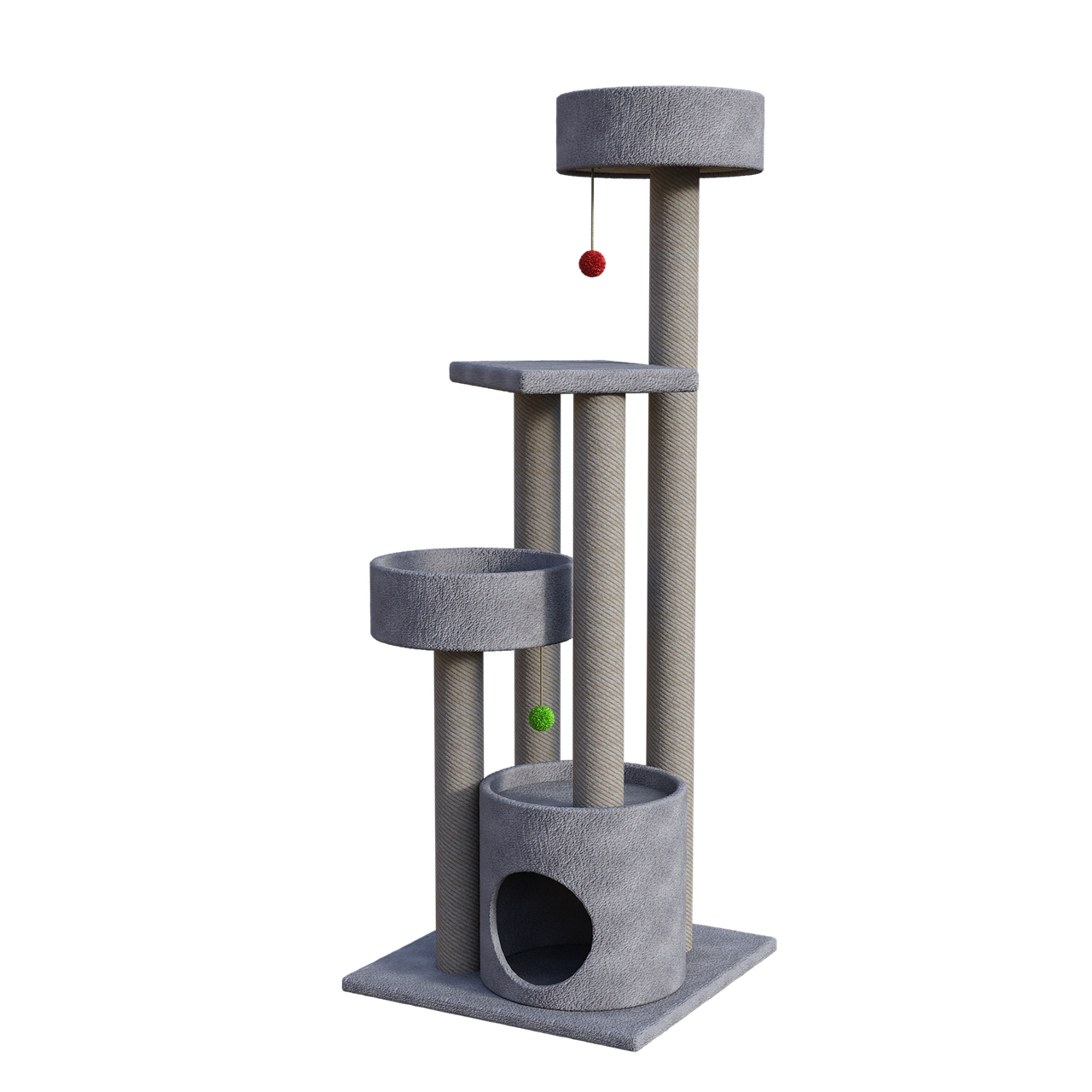

Top Tips for Encouraging Your Cat to Scratch the Post, Not the Furniture
Training cats to use a scratching post instead of furniture requires patience and consistency. First, it is vital to understand why cats scratch. Scratching helps them to maintain their claws and stretch their muscles. It is also a natural action when they feel stressed. To encourage your cat to scratch the designated post, choose a sturdy scratching post that stands tall enough for your cat to stretch fully. Additionally, consider the material of the scratching post; materials like sisal, cardboard, or carpet are usually appealing. To create positive associations, place the scratching post in an area frequently used by your cat. You can also encourage scratching by using catnip or toys to attract your cat to the post. Gradually reward them with treats or praise whenever they use it. Training takes time, so the key is to be patient and consistent in your approach. Ensure you are providing an attractive alternative to furniture. Redirecting their behavior and providing incentives will help your cat understand that the scratching post is for them.
Moreover, maintaining a peaceful environment is essential for effective training. If you have multiple cats or pets, ensure there are enough scratching posts available for them all. This prevents competition, ensuring that each pet has a designated area for their scratching needs. Place the scratching post in high-traffic areas of your home so that your cat can easily access it. Monitor their behavior closely during the initial training stages. If your cat attempts to scratch furniture, redirect them to the post immediately and encourage them to scratch there. Over time, your cat will learn to associate the scratching post with positive experiences rather than the furniture. Given that cats are territorial creatures, providing them with choices and opportunities will make them feel secure. It is also crucial to avoid punitive measures when your cat scratches furniture. Instead, positively reinforce the behavior you want to see. Be patient, and do not give up if your cat does not immediately take to the scratching post. Each cat is unique, and finding the right approach tailored to their personality may take time.
Creating an Inviting Scratching Environment
In order to further entice your cat to use the scratching post, creating an inviting environment is essential. Try placing the scratching post near their favorite lounging spot or in their preferred sunlit area. Cats are drawn to the sun, and enjoying the warmth while scratching might attract them. Adding a few cozy blankets or soft bedding nearby can also encourage them to feel safe and drawn to the area. Additionally, experimenting with different types of scratching posts is important. Exploring vertical posts, horizontal boards, and angled surfaces can help determine what appeals most to your cat. Keep an eye on the styles they engage with; this can inform future purchases. Another tip is to use attractants like catnip. Rubbing a bit of dried catnip on the scratching post or even using catnip sprays can entice your cat to explore the post. This can also reinforce positive associations, making the post a pleasurable place to spend time. Offer a variety of options in terms of height and surface texture so that your cat has preferences to enjoy.
It is also beneficial to monitor your cat’s scratching habits over time. Observe factors like frequency, time spent scratching, and their method of scratching. If they seem uninterested in the new scratching post, reevaluate the placement or the style of the post. Cats might enjoy certain angles or specific textures more than others. Keep their scratching area engaging by rotating different styles and positions occasionally. This method keeps their interest alive, preventing monotony. If they start to scratch inappropriate areas, gently steer them back to their post. Reinforcing good behavior positively will yield the best results. Additionally, regularly maintaining your scratching posts by checking for damage or wear will keep them appealing. If a scratcher becomes too worn, it may lose its appeal to the cat. Regular fluffing, cleaning, and even replacing older models will ensure that your cat continues to associate it with their safety and enjoyment. Keeping their environment clean and fresh will encourage habitual use of the scratching post.
Incorporating Training Games
Incorporating playful interactions into your cat’s training can be an enjoyable part of the learning experience. Engage your cat with interactive toys such as feather wands or laser pointers. These toys can serve as a distraction while directing their focus toward the designated scratching post. Whenever they play near the scratching area, offer treats when they take an interest in using the post. Playful training sessions can significantly help motivate your cat to explore the scratching post further. With consistent encouragement and rewards, they’ll be more likely to embrace new behaviors. Try to designate specific playtime sessions each day dedicated solely to this training. It can add structure to your cat’s routine, making the learning process fun rather than tedious. Over time, pair the playtime with the scratching post itself. Use your interactive toys to guide them near the post. Whenever your cat scratches the post during these sessions, follow up without hesitation with verbal praise and rewarding treats. Creating a routine encourages a more affectionate relationship while promoting healthier scratching behaviors.
Alongside these methods, always remain attentive to the various signals from your cat. Observe how they interact with their environment and scratch posts. Each cat will communicate different preferences, and it’s crucial to listen. For instance, if your cat starts showing signs of stress or anxiety during training, allow time for breaks. Doing so ensures they don’t associate training with negativity. It’s essential to keep their emotional wellbeing in mind throughout the process. Remember, every cat has a unique personality; what works for one may not work for another. Ultimately, being patient and flexible is vital. Adapt your approach as required to ensure a positive experience for both you and your furry companion. Training takes time and dedication, but with consistency and love, your cat will likely develop healthy scratching habits. Combining fun with proper technique and unwavering support will yield the best outcomes for both of you in the long run.
Conclusion: Consistency is Key
In conclusion, training your cat to use a scratching post instead of your furniture requires a mix of the right tools and strategies. Always remember the importance of consistency in your training and patience. Maintaining a nurturing environment, combined with regular monitoring and enjoyable training sessions, will greatly enhance your cat’s scratching behavior. Opt for attractive scratching posts, maintain their appeal, and incorporate playful elements into the training. Always reinforce positive experiences surrounding the scratching post to encourage habitual use. Educating your cat requires dedication over time, as it may not happen overnight. However, creating positive associations with positive reinforcement will help them embrace the scratching post as part of their territory. As they become more accustomed to it, they will gradually avoid unwanted scratching on furniture. Continue to observe their behavior continually and adapt strategies as needed. By doing so, you are ensuring success in promoting healthy scratching habits your cat can enjoy while protecting your furniture from damage. Using these tips, both you and your feline friend can coexist happily, ensuring a scratch-free home environment.
Happy scratching for both of you!