
Signs Your Dog Needs More Water While Traveling
As loving dog owners, we understand that hydration is vital for our pets, especially during travel. Dogs are prone to dehydration, which can lead to severe health issues if left unmonitored. One likely sign that your dog needs more water is excessive panting. This symptom indicates your dog is trying to cool itself down, especially during warm weather or after physical activity. Additionally, if your dog happens to become lethargic or seems more tired than usual during trips, pay attention. This can be a sign that he is dehydrated and needs to drink water immediately. Another key sign is dry or sticky gums. When your dog licks its lips frequently and the gums feel gummy, it’s time to hydrate. Another indicator is a lack of appetite; if your dog is uninterested in its food or treats, it may signify dehydration. Always keep portable water bowls and travel-friendly water bottles ready while on the road. If you suspect dehydration, provide water immediately to avoid serious health issues. Your dog’s health should always be the priority in travel situations.
Another important sign to watch for is urine output, which reflects your dog’s hydration level. If your dog is urinating less frequently or producing dark-colored urine, that’s a clear indication of dehydration. Healthy dog urine should be light yellow, signaling that your pet is well-hydrated. Monitoring your canine’s energy levels can also reveal hydration issues. A sudden drop in energy, accompanied by excessive panting, indicates your dog is overheating and may require water. It’s crucial to offer small amounts of water at intervals rather than large quantities all at once, as this might upset their stomach. Observing your dog’s behavior can be very revealing, too; if they become unusually restless or refuse to settle down, they may be uncomfortable due to dehydration. Another tip is to check for skin elasticity—gently pinch the skin on the back of your dog’s neck, and if it doesn’t spring back quickly, this may signify dehydration. Always offer water at rest stops, and try to create a routine that includes regular hydration breaks to ensure your dog remains happy and healthy while on your journey.
Keeping Your Dog Hydrated
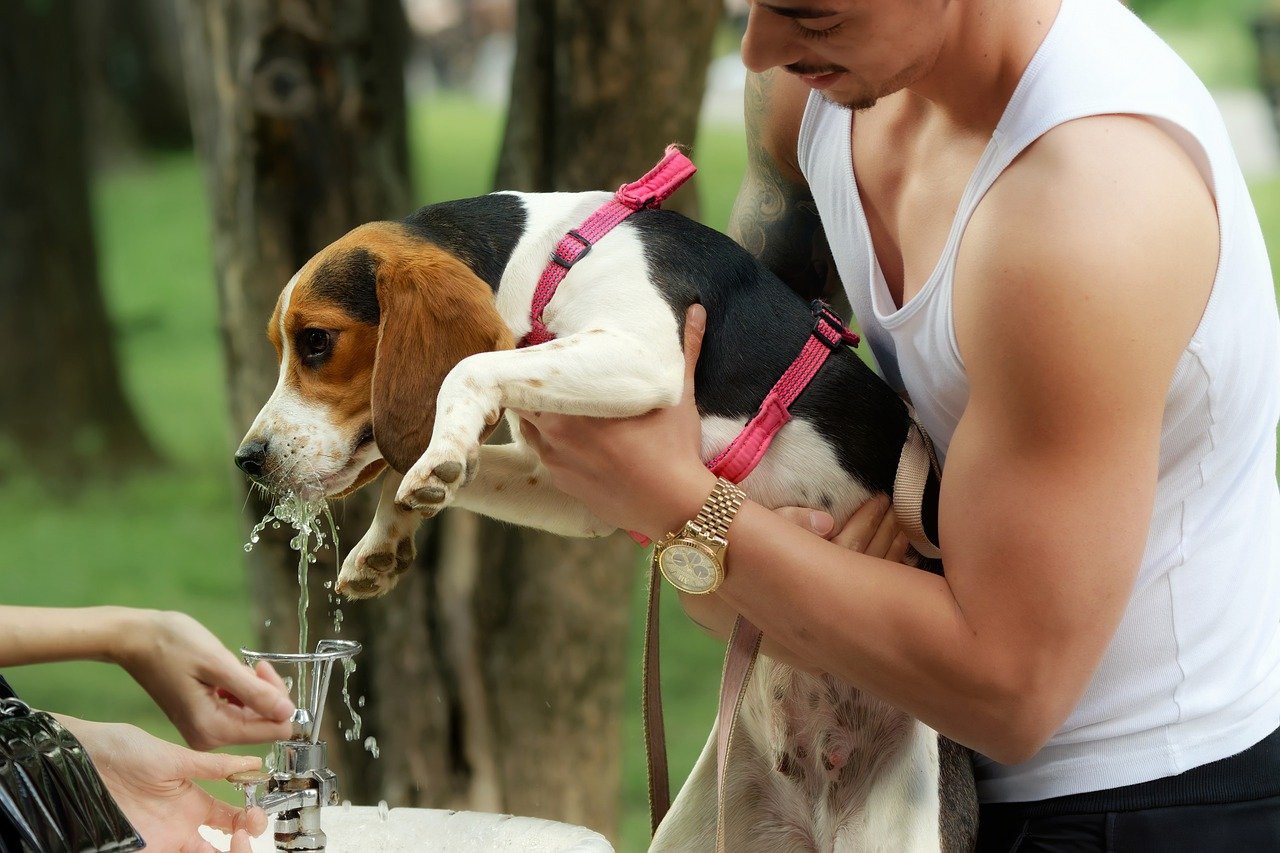
When traveling with your dog, it’s essential to ensure that he stays hydrated throughout the journey. One effective method to maintain hydration is to carry a collapsible travel bowl, which makes it easy to offer your dog water whenever he shows signs of thirst. Portable water bottles designed for dogs are also handy; they allow you to provide water without making a mess. Avoid relying solely on water sources from the environment, such as lakes or ponds, as they may contain harmful bacteria or chemicals. It’s crucial to provide your dog with fresh, clean water. Additionally, let your dog sip water frequently rather than gulping huge amounts to prevent dehydration panic during travel. Always be aware of your travel destination’s climate; if traveling to hotter places, adjust your stops and hydration schedule accordingly. If your dog seems disinterested in drinking, try enticing him with ice cubes or flavored water by adding low-sodium broth to encourage hydration, especially on long trips. Offering ice cubes can make water more appealing, and it can be a fun treat for your dog, keeping them engaged and hydrated.
Furthermore, when combining daily activities like sightseeing with travel, ensure your dog takes enough breaks to hydrate. It’s easy to lose track when you’re caught up in exploring new places, but dogs, like humans, need to pause for rest and water. Look for dog-friendly parks or rest areas where you can both take a breather and your dog can have a drink. Plan your travels to coincide with these stops to make hydration more manageable. Additionally, consider your dog’s age, health status, and activity level, as these factors can influence how much water they require. Old dogs or those with health concerns may need extra attention concerning hydration levels. Keep a close eye on their behavior; an attentive owner will be able to spot subtle changes that signify a need for water. Lastly, familiarize yourself with the signs of heat stroke, such as excessive drooling and a rapid heart rate, as ensuring your dog remains hydrated is key to preventing such severe conditions. Always stay proactive in looking for these signs while traveling.
Importance of Frequent Check-ins
Frequent check-ins on your dog’s hydration level and general well-being are crucial during any travel. Set reminders to pause every couple of hours to ensure your dog has adequate chances to drink water. This is particularly important during road trips or long excursions when it may be easy to overlook their needs. When stopping for restroom breaks, this is an excellent opportunity to offer water as well. If taking longer journeys, consider timing your travel around meal and water breaks, allowing your dog to hydrate adequately without feeling rushed. Encourage your dog to drink by showing excitement when it’s time for water breaks, as dogs can pick up on your enthusiasm. Another useful tip is to pack flavored water for your dog. Options include adding low-sodium chicken broth to his water, creating an incentive for drinking. Furthermore, investing in a hydration tracker or an app can help you monitor your dog’s drinking habits while traveling, ensuring they stay within a healthy range. Remember, maintaining hydration isn’t solely your responsibility. Train your dog to recognize specific cues for water breaks, building a routine they can expect during travels.
Additionally, consider how much exercise your dog has during your travels, as it significantly affects their hydration needs. More vigorous activities like hiking or playing fetch increase the risk of dehydration. Therefore, be mindful of their activity level and ensure water is readily available after strenuous play or exercise. Moreover, monitor the weather conditions closely, as extreme heat can influence fluid loss. During hot days, aim to travel during cooler times of the day, such as early mornings or evenings, making sure it’s not too hot for your dog. When hiking in warmer conditions, look for shaded areas to take breaks while giving them refreshments. Keep an eye on their hydration signs, and be ready to adapt your travel plans if it’s too hot outside for any outdoor activities. Always remember to bring cool towels to wipe down your dog if it starts getting too warm, as this helps regulate their body temperature while hydrating them. Lastly, every journey is unique, and attentive hydration surveillance can prevent more significant health risks as you travel together.
Conclusion
In conclusion, recognizing signs that your dog needs more water while traveling is essential to ensure their well-being. Being proactive and attentive can prevent dehydration and other health issues. Regularly check your dog for any signs of thirst or discomfort, and be aware of their individual needs and routines. The goal is to enjoy the journey together while keeping your furry friend comfortable and happy. Frequent hydration breaks, clean water, and enjoyable drinking incentives can make the process seamless for both you and your dog. As you travel, keep educating yourself about the best practices for keeping your dog hydrated. This awareness leads to a healthier, more enjoyable travel experience for every trip. Remember that your well-being is linked to that of your beloved pet, making hydration a top priority while traveling. Always reward your dogs for their good behavior during water breaks, reinforcing positive associations. With proper planning and monitoring, you can create an enjoyable travel experience that benefits both you and your dog. Ultimately, a hydrated dog is a happy dog, making every journey more memorable!