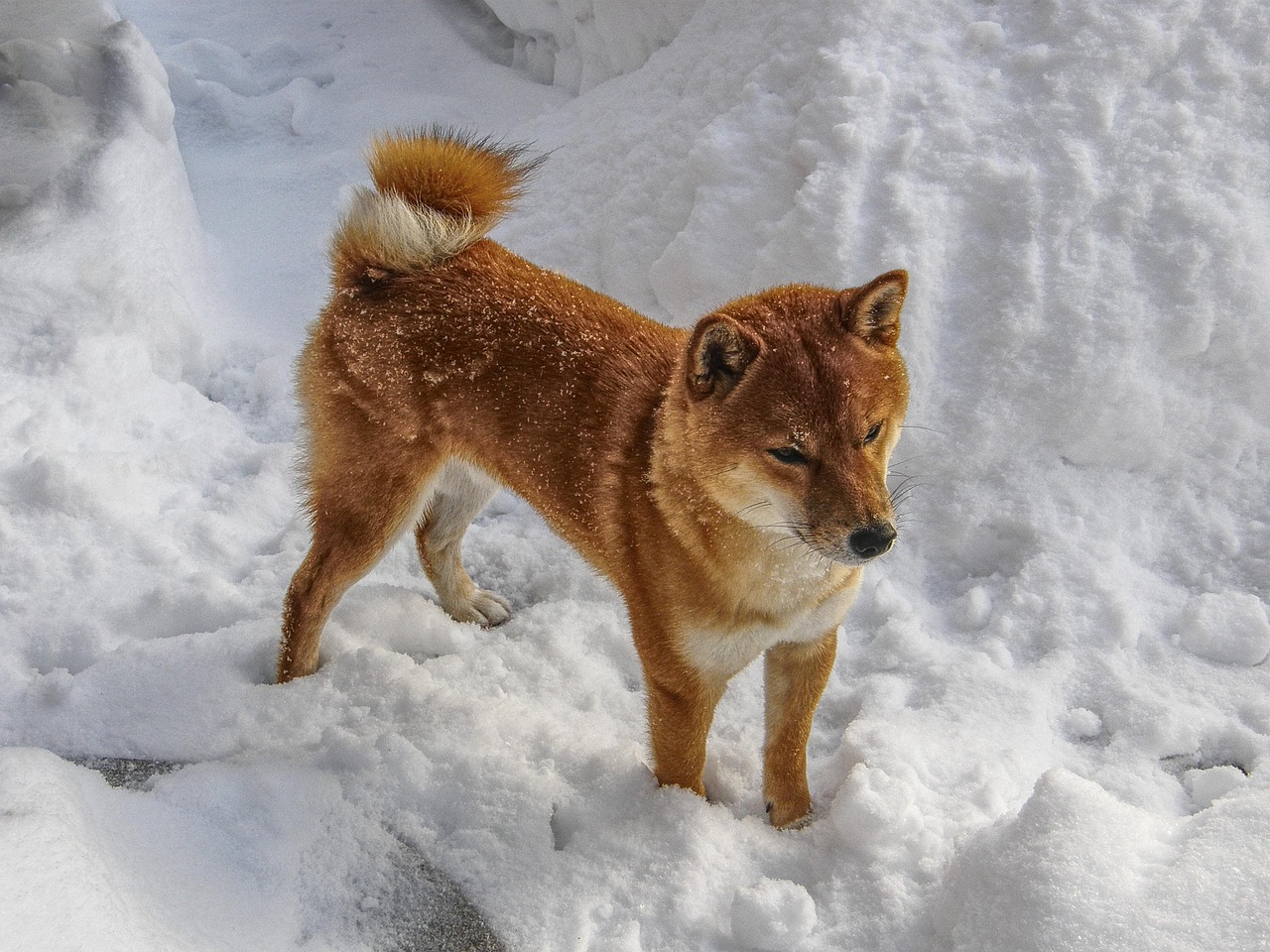

Tips for Socializing Your Dog During Winter Months
Winter can be a challenging time for socializing your dog, especially with the cold weather and fewer outdoor activities. However, there are effective ways to ensure your dog continues to interact positively with others. One method is to consider winter training sessions held indoors. Look for local training facilities that offer socialization classes for dogs during this season. These environments provide structured play and social interactions that are vital for your dog’s behavior. Additionally, you can arrange playdates with other dogs that you know are friendly. This way, your dog can maintain its social skills in an intimate, controlled setting while minimizing the risks associated with harsh weather conditions. It is also important that you keep an eye on your dog’s temperament during these sessions. If your dog appears aggressive or overly anxious, it may need more focused training before engaging with others. Always reward positive interactions with treats or praise to reinforce good behavior and skills. Taking these steps can help promote a well-adjusted and social pooch even during the cold winter months, ensuring your furry friend remains happy and healthy throughout.
Another significant aspect of socializing your dog in winter is to adapt your walking routine. Although the cold can limit your outdoor options, maintaining regular walks is crucial for your dog’s health. Opt for different times of the day when temperatures might be a bit milder to take your dog for walks. Consider mixing in longer walks with varied routes to expose your dog to new sights and sounds. This variety can prevent your dog from becoming too accustomed to the same environment, thus encouraging social behavior. You might encounter other pet owners during these strolls, providing your dog an opportunity to meet different dogs and people. If possible, look for dog parks that are open during winter, but do remember to check the conditions! Some parks may be less busy during colder months, making it easier for your dog to socialize in a safer setting. Always supervise your pooch closely while playing with others in parks. This ensures not only that your dog is behaving appropriately but also that it is having a positive and enriching experience during these colder months.
Utilizing Indoor Spaces for Play
When the weather becomes too harsh for outdoor play, consider indoor dog parks as an alternative for socialization. Indoor spaces can provide a controlled environment where your dog can play and interact with other dogs without the worry of frostbite, snow, or ice-related injuries. Many places offer specific areas for different dog sizes, allowing for safer interactions. Be sure to check the cleanliness and safety standards of any indoor facility before visiting. Participating in group classes or dog agility training indoors can also foster social skills while keeping your dog engaged. Additionally, you could set up indoor playdates with friends who have dogs. This will enable your pet to socialize comfortably in an environment it knows. Supervise interactions closely, particularly if dogs are meeting for the first time. An indoor environment is ideal for observing behavioral cues, ensuring a successful social experience. With careful supervision and engaging activities, your dog can still meet new friends and enjoy playtime all winter long, keeping its social skills in top shape despite the cold weather.
Introducing your dog to new experiences during winter can greatly contribute to its socialization. This can be achieved by introducing varied textures such as snowballs or ice to play with. Dogs are naturally curious, and introducing them to winter elements can enhance their confidence and interest. Encourage your dog to sniff around and explore its environment. Carry treats to reward your dog’s bravery in trying new things. Play interactive games like fetch with a soft toy can elevate their play time during the cold season. Additionally, utilizing scent trails through snow can stimulate your pet’s natural instincts while providing an exciting challenge. Alongside these activities, consider engaging your dog’s mind through puzzle toys designed to keep your dog mentally stimulated indoors. This will prevent boredom and anxiety, crucial aspects that can hinder socialization efforts. Rotating toys periodically keeps them fresh and engaging. Incorporating a mix of physical and mental stimulation will ensure your dog remains happy, reducing destructive behaviors often observed in bored pets. Taking the time to diversify your dog’s experiences, especially during winter, will significantly enhance its ability to socialize and adapt to various situations later on.
Safety First in Winter Socialization
As you work on socializing your dog during winter months, it’s imperative to prioritize safety. Be mindful of your dog’s paws, as ice and snow can create discomfort or injury. Dog booties designed for cold weather can protect your pet’s paws and keep them warm while walking through snowy places. Alternatively, applying a paw balm can help protect your dog’s sensitive pads from harsh elements. Moreover, ensure your dog is wearing a jacket if it has a thin coat, as it will help keep it warm during outings. Watch for signs of cold stress in your pet, which include shivering or reluctance to move outdoors. It might also be an excellent idea to limit outdoor socialization during extreme weather conditions. Always perform a quick health check to ensure your dog is fit for play. Carry water during your outings to keep your pet hydrated, as hydration is essential even in cold weather. By keeping safety in mind while socializing your dog during winter, you are setting a foundation for positive socialization experiences that will carry through the rest of the year.
Joining local dog owner groups or online socialization communities is also a great way to enhance your dog’s social experiences during the winter. These groups often host winter activities specifically designed for socializing pets, allowing your dog to make friends in a supportive environment. Engaging with other dog owners can also provide you with tips and advice on socializing strategies that have worked for others in similar climates. Sharing experiences about winter walks, indoor activities, and safety tips can build a sense of community. Through these connections, you may discover additional resources, such as trainers or behaviorists who can offer specialized help if needed. Furthermore, attending events or workshops can deepen your knowledge of canine behavior. Such gatherings are also great opportunities for your dog to interact with a wide array of other breeds, helping it to become well-rounded socially. By actively participating in dog communities, you’ll not only enrich your dog’s social life but also enhance your own experience as a dog owner during the winter season.
Conclusion: Embrace Winter Socialization
In conclusion, winter offers unique challenges and opportunities for socializing your dog. While the cold might limit outdoor activities, there are numerous alternative strategies to ensure your dog remains socially active. Focus on providing diverse indoor experiences, safe outdoor adventures, and engaging with other dog owners. Remember, regular interactions are vital for developing good social behavior, no matter the season. Implementing winter-specific activities, while also ensuring safety, can promote a positive socialization process for your dog. Additionally, make use of community resources to enrich your dog’s experience. From participating in group classes to arranging playdates, you can support your pet’s social skills year-round. Embrace the season as an opportunity to bond with your dog even more. With patience and creativity, you can help your dog overcome the challenges of winter and thrive socially. By taking the initiatives outlined in this article, you will ensure your dog leads a happy, engaging, and socially balanced life, regardless of the seasonal changes taking place outside.