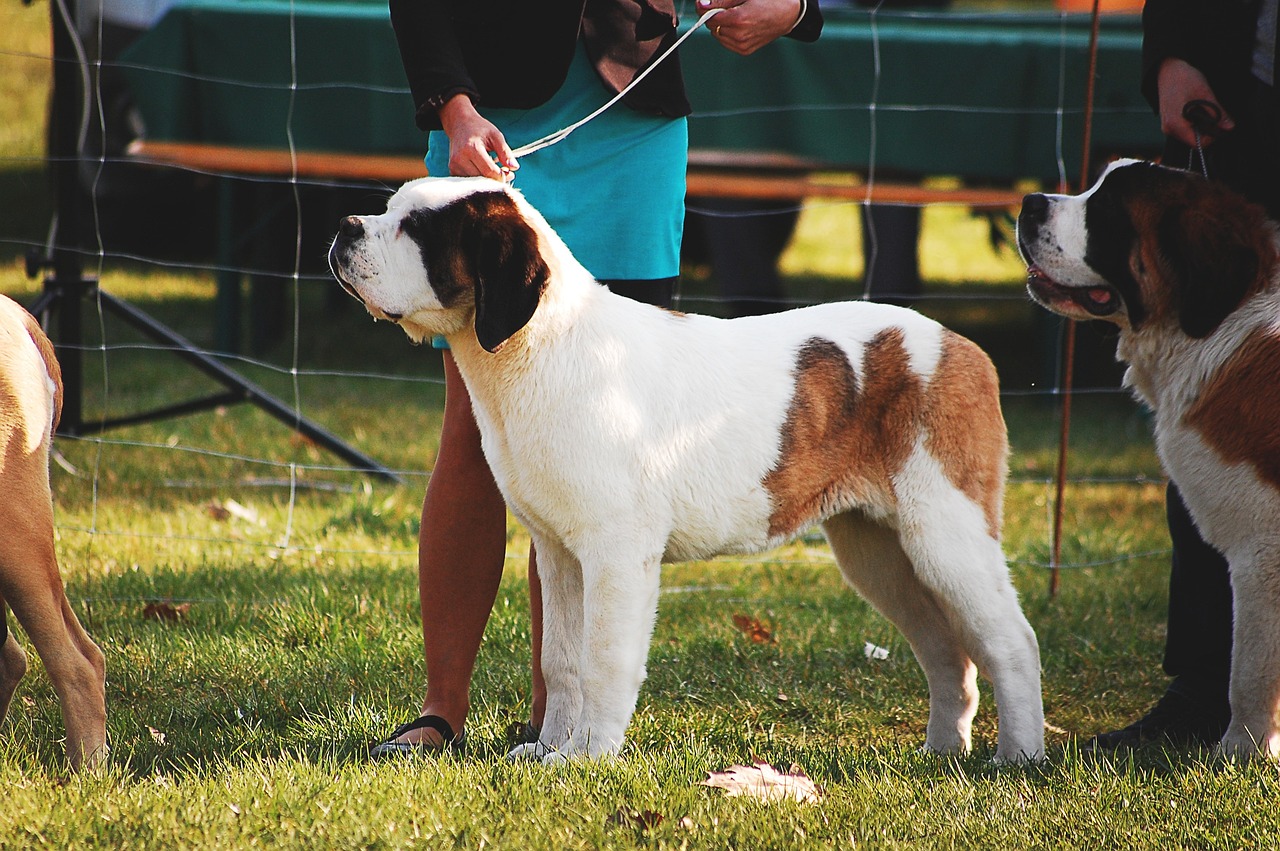

How to Archive Dog Show and Competition Records
Keeping accurate records of your dog shows and competitions is essential for any serious dog breeder or competitor. Documenting each event not only helps you track your dogs’ progress and performance but also ensures compliance with breed standards and regulations. Begin by collecting essential details about each event, including the show date, location, judge, and any titles or wins your dogs achieved. Create a dedicated notebook or digital file for this crucial task. Maintain a consistent record format for easy access and comparisons. Each entry should clearly delineate the dog’s name, breed, registration number, and any relevant health clearances. These elements are vital for future breeders or buyers who evaluate your records. Additionally, consider using spreadsheet software or specialized dog tracking applications available online. Some breeders find visual aids like charts useful for summarizing performance over time. Regularly update your logs and back up your data to prevent loss. Storing copies of official documentation, such as certificates and score sheets, can also be beneficial. With careful organization, tracking your dog’s achievements can empower informed breeding decisions and contribute positively to your breed’s legacy.
Beyond recording essential competition details, focus on documenting your training methods and experiences. This allows you to refine your practices over time while giving you insight into what approaches yielded the best results for your dogs. Further, different breeds may require varying training techniques and temperaments, so individual notes for each dog are crucial. Keep performance metrics for each training session, noting successes, challenges, and any modifications made to training routines. You may also want to document feedback from judges or trainers. This can provide valuable insights when evaluating your dog’s development and areas for improvement. Take photos or videos during competitions and training sessions to create a visual history of your dogs’ growth. These records will enhance your understanding and capability in achieving breed standards. Cloud-based storage options can simplify these archives. Scan and upload physical documents for easy access and security. Visualization tools or infographics can add flair and meaning to your records as well. Overall, blending quantitative data with qualitative feedback can significantly improve your breeding and training decisions.
Creating Digital Records
In today’s digital age, electronic documentation offers distinct advantages for dog show record keeping. Transitioning your records to digital formats enhances accessibility and security. Utilize spreadsheet applications like Microsoft Excel or Google Sheets for organizing your data systematically. These tools simplify calculations and assist in analyzing trends in performance, title wins, and health records. Additionally, consider using breed-specific software tailored to track history and lineage effectively. Make sure to keep a backup of your records on cloud platforms to safeguard against data loss. It’s highly recommended to categorize information by dog, show year, and event type for easier navigation. Explore various online platforms dedicated to dog breeders, which enable tracking multiple aspects, from show entry details to breeding records. Create a centralized database containing all relevant documents such as health clearances, registration papers, and pedigree information. By establishing a consistent naming convention for files, you’ll simplify future searches. Finally, ensure compliance with privacy regulations and only share personal data when necessary. Embracing digital solutions allows for a more efficient, convenient, and secure record-keeping process.
Networking with fellow dog breeders and exhibitors is an additional strategy that aids in enriching documentation practices and insights. Share record-keeping tips and tricks with others in your community, exchanging best practices, and ideas. Organizing workshops or seminars can be beneficial, offering a platform for joint learning experiences and discussions focused on record keeping and documentation. Social media has become an excellent resource for connecting with industry experts and obtaining valuable insights about competition trends and guidelines. Many breeders are sharing their experiences in forums or groups, offering takeaways that can enhance your own practices. Asking for feedback and learning from others can reveal innovative ways to track, record, and utilize information effectively. Create content for dog shows, such as videos summarizing events or blogs discussing document management strategies, to inform and inspire your peers. Highlight different approaches and tools that can simplify their record-keeping efforts. By uniting as a community, you can all establish higher standards for record documentation and enjoy greater transparency and professionalism in the breeding industry.
Organizing Events and Documentation
Effective organization during dog events streamlines the documentation process and maximizes efficiency. When preparing for shows, develop a comprehensive checklist, including all essentials needed for you and your dogs. This might include grooming supplies, registration forms, and health certificates to verify eligibility. Create documents that include your dogs’ performance history and any requirements from the organizations hosting the events. Attach this documentation to exhibits for easy access during events. On competition day, designate specific times to input results and update records to avoid backlog. This is essential for maintaining accurate and timely data. Consider assigning roles to participating team members, ensuring everyone knows what to document and assists in smooth operations. Being proactive in managing event documentation minimizes errors and prevents miscommunication. After an event concludes, arrange debriefings to review performance and document any observations. Centralizing this information aids in maintaining complete records while promoting collaboration within your team. By establishing a clear organizational strategy, you not only enhance the effectiveness of your record-keeping practices but also ensure a successful experience for you and your dogs at each event.
It’s vital to remain informed about regulations governing record keeping for dog shows and breeding practices. As standards can vary, be sure to stay updated on changes made by governing bodies or breed organizations. Many of these authorities publish guidelines outlining record-keeping requirements, ranging from health testing documents to proof of competition achievements. Subscribe to newsletters from prominent canine associations to ensure you never miss important updates. Regularly visit their websites and monitor their event announcements for any modifications in documentation policies or practices. Participating in breed clubs or forums can provide insights into widely accepted best practices. You may also attend seminars designed to educate breeders about compliance and regulation updates. Consulting experienced breeders or professionals can further enhance your understanding. Establishing a timeline for your documentation timeline can keep records compliant and up-to-date, minimizing risk. Remember, maintaining thorough and well-organized records not only fosters your professionalism but also contributes positively to the breed standard and community unity. Accurate data aids in future breeding decisions, improving the overall quality and health of lineage.
Securing Documentation
With increasing reliance on technology, ensuring digital document security is paramount in dog show record keeping. Protect sensitive information like health records and personal data using strong passwords and encryption techniques. Implement a two-factor authentication process for cloud storage services where sensitive data is accessible. Regularly review user access and permissions to determine who can view and edit records, maintaining control over your data. Additionally, consider keeping physical copies of essential documents in a secure location, like a fireproof safe. These physical backups can provide peace of mind in case of technical failures or cyber threats. Be cautious with sharing documentation online and always verify the identity of individuals or organizations requesting access to sensitive information. Keep personal data to a minimum when communicating on forums or public platforms. Educate yourself on data protection laws relevant to your location and adhere to best practices to avoid potential legal complications. In the event of a breach, be prepared with recovery plans, allowing you to promptly restore your records and minimize disruption.
In conclusion, meticulous record keeping can immensely benefit both breeders and competitors in the dog show arena. This not only ensures compliance with industry standards but also enhances the overall performance evaluation. Establishing a systematic and organized approach to documentation is worthwhile. Take the time to invest in appropriate tools, whether digital or physical, to assist in this crucial endeavor. Engaging with fellow breeders and industry experts helps introduce new strategies and improve existing practices. With a commitment to documentation, you contribute positively to the breed’s heritage while enhancing your standing in the competitive landscape. Always open to learning and adapting your techniques, you lay the groundwork for better breeding decisions and outcomes. With consistent updates and records reflecting your dogs’ journeys, you can showcase their achievements to potential buyers or future breeders. The history you compile will speak volumes about the dedication you have put into your breeding program. Follow these methods, remain organized, and enjoy the rewarding experiences that accompany participation in dog shows and competitions. Your commitment to thorough record keeping ultimately honors the dogs that work so hard to excel.