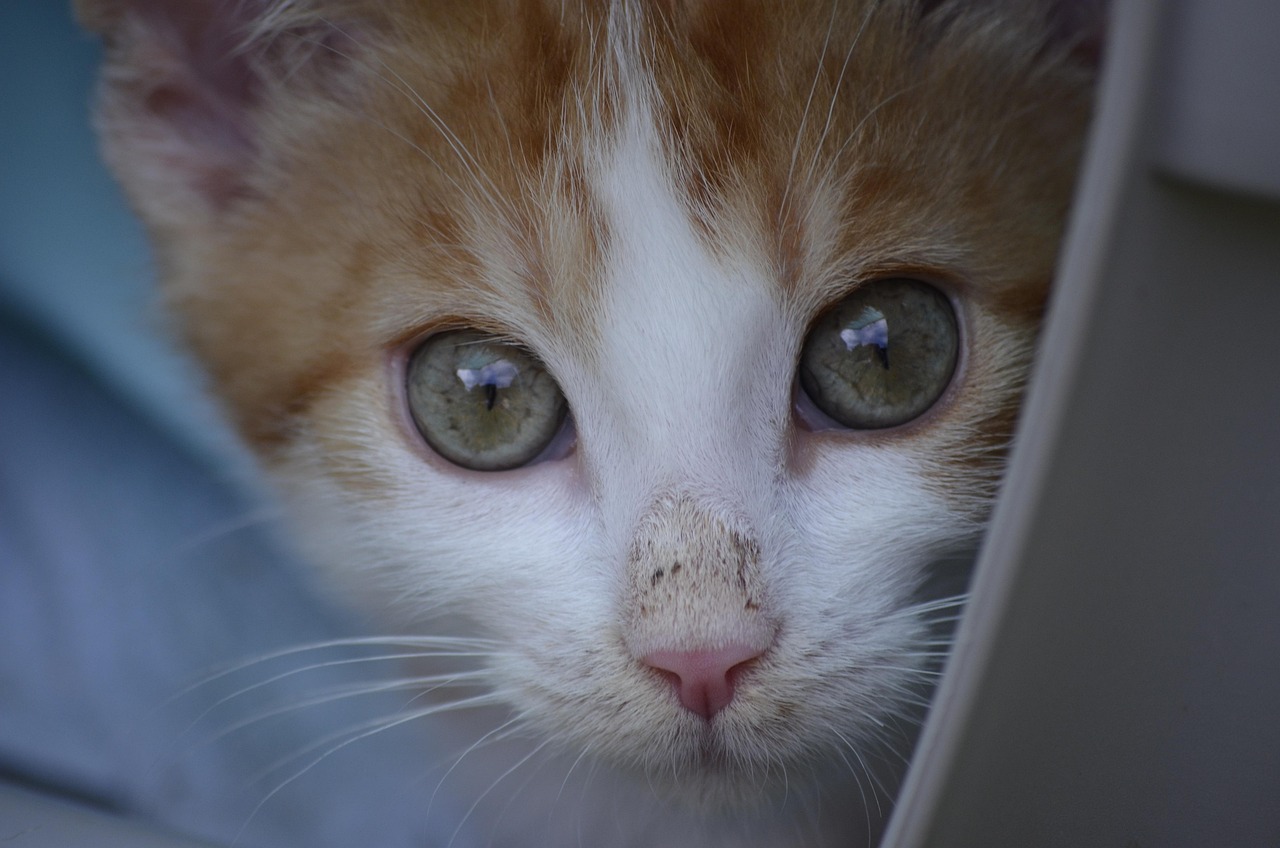

Ethical Considerations in Cat Rescue Photography
Photography plays an essential role in cat rescue advocacy, as it helps document and showcase their condition. Ethical considerations in this practice are paramount, as photographers must balance the need to inform the public while remaining respectful towards the subject. Capturing images of rescued cats involves understanding their vulnerability and ensuring their welfare. Consent is crucial, particularly when working with feral cats, or those recovering from trauma. Photographers should seek guidance from rescuers and prioritize the cats’ comfort over sensational imagery. Moreover, it is essential to adhere to the best practices for treatment to enhance the authenticity of their roles. Images that capture emotions may create compelling narratives, but exploiting suffering raises ethical concerns. Collaborating with shelters can ensure that photos are used in alignment with rescue missions, protecting the cats involved. Photographers are encouraged to be transparent about their intentions, so the purpose of the images is clear. Informed consent ensures that the audience understands the message behind the photographs. By implementing these ethical guidelines effectively, photography can contribute positively to cat rescue efforts and convey powerful messages that inspire action.
Understanding Consent and Comfort
Obtaining consent is not only a legal requirement but also an ethical necessity in cat rescue photography. It is critical for photographers to recognize that the animals they capture in their images cannot provide verbal consent. Therefore, understanding the context in which they are photographing becomes essential. Taking precautions to ensure that subjects are comfortable and not stressed should be a photographer’s priority. Techniques such as using calming methods or ensuring a safe environment can make a significant difference. When working with feral or frightened cats, the approach must be gentle to avoid adding to their anxiety. Each photo session should be approached with a mindset of respect for the animal’s well-being. This includes monitoring the cats for signs of distress and stopping if necessary. Building relationships with the cats and their caregivers is vital, as it fosters an atmosphere of trust and cooperation. By prioritizing consent and comfort, photographers can create memorable images that honor the subject. Using photos to raise awareness about rescue efforts can be an impactful way to promote change while respecting the dignity of the animals.
There is an added dimension in ethical considerations concerning the representation of rescue cats. Portraying them with sensitivity ensures that the message conveyed is one of hope, rather than hopelessness. Capturing images that express resilience and the potential for recovery can further empower rescue efforts. Emphasis should be placed on highlighting the positive outcomes of the rescue process, showcasing cats in safe spaces, happy environments, and with loving caretakers. It is beneficial for photographers to strive for authenticity while also offering a glimpse of what the cats could experience after adoption. Presenting images that radiate positivity helps dismantle negative stereotypes surrounding rescue animals. Engaging with the narrative of transformation gives prospective adopters a realistic view of what it means to welcome an animal into their lives. Many individuals may reconsider their views about adopting once they see the uplifting possibilities. Developing a visual story that portrays the journey of each cat allows the audience to relate better. Ultimately, creating a hopeful narrative can stimulate interest in cat adoption and motivate individuals to take action towards resuming ownership responsibilities.
Responsible Sharing and Usage
The responsibility of a cat rescue photographer doesn’t end with capturing images; it extends into how these photographs are shared and utilized. Every image has a message, and care must be taken to ensure it aligns with the rescue’s mission. Photographers should work with organizations to understand appropriate channels for sharing images. This could involve utilizing social media platforms, websites, or local events to spotlight rescues. Including clear credits and acknowledgments can also support transparency and reinforce the documented tales behind the photographs. Furthermore, when sharing images of individual animals, highlighting their personalities, quirks, and care journeys personalizes their stories. Understanding that images can drive that emotional connection is vital. Encouraging potential adopters to see themselves in the stories being told increases their likelihood of adopting. However, care should be taken to credit individuals involved and avoid misrepresentation. Staying true to the rescue’s mission while utilizing impactful photography can create a ripple effect, bringing more awareness and garnering support. Ultimately, responsible sharing not only supports the cats’ journeys but contributes positively to building an informed community around rescue efforts.
In addition to responsible sharing, it is essential to understand the ethical implications regarding anonymity and privacy. While emphasizing the importance of storytelling, ensuring the safety of rescued cats and their caregivers is equally crucial. Photographers must navigate the murky waters of what has been observed and photographed versus how much should be disclosed publicly. In some cases, rescues may involve sensitive circumstances that require discretion. Therefore, preserving the confidentiality of specific details surrounding rescues is paramount. Photographers need to make conscious decisions about the level of vulnerability they expose their subjects to, potentially affecting how these stories are received. Educating oneself about the distinctions between what content is appropriate to share and what crosses ethical lines helps avoid the exploitation of the subjects involved. Balancing impactful storytelling with respect for privacy is key. Engaging recipients of these narratives focuses on what can be done to help rather than sensationalizing the circumstances. A photography project committed to ethical practices builds reputation and credibility, ensuring that the welfare of rescue animals is always prioritized in the storytelling process.
Collaborating with Rescues
Forging relationships with local animal rescues can foster effective partnerships in the realm of cat rescue photography. This collaboration creates avenues for mutual growth and understanding regarding the objectives of each party involved. Photographers can gain insights into the unique challenges rescues face, while organizations can benefit from the photographer’s creative skillset. Understanding each other’s goals leads to a more potent visual narrative, showcasing the journey of each cat through adoption. By working together, photographers can drive emotional connections that resonate with the audience. This can significantly boost efforts for fundraising and public awareness campaigns. Coordinated campaigns using photography create poignant visuals that commemorate the work being done. Teaming up with rescues can also ensure that images used for promotional activities are appropriate and align with their mission. These relationships also provide photographers with firsthand knowledge about specific cats, allowing them to capture powerful stories, enhancing the quality of photographs. This synergy between photographers and rescuers strengthens the narrative they collaboratively present to the public and helps drive interest in combating the ongoing challenges facing rescued cats.
In summary, ethical considerations in cat rescue photography are multifaceted, intertwining consent, representation, responsible sharing, and collaboration. Recognizing the value of each cat’s story helps photographers represent rescued animals with dignity and respect. By upholding these ethical standards, photographers contribute positively, raising awareness, and encouraging adoptions. It is essential to create an environment where the welfare of each animal is prioritized, allowing for impactful and genuine storytelling. Engaging with rescue organizations promotes transparency in intentions, fostering successful partnerships. Ultimately, this practice not only safeguards the interests of rescue cats but also contributes to the broader mission of promoting animal welfare through responsible photography. By crafting narratives that encapsulate resilience and hope, photographers can shine a light on the potential that exists in every rescued animal. This ethical framework not only enhances the quality of the photographs being taken but also respects the journeys of cats as unique beings deserving of care and compassion. Thus, responsible photography in rescue work reflects the collective effort aimed at advancing the interests of cats in need.
By creating powerful photographs within the ethical realm, photographers become vital advocates for cats in need of homes. They have the potential to drive significant change, impacting rescue efforts through their work. Practicing ethical photography in this area empowers not only the cats but also the public to engage actively in rescue initiatives. When done right, this synergy between photography and animal welfare catalyzes community action, paving the way for more effective rescue missions. As awareness grows, so does the potential for enhancing the lives of many rescued cats. Every picture taken with integrity has the power to educate, inspire, and evoke empathy, potentially leading to more adoptions. Understanding the delicate balance of capturing reality while ensuring ethical practices is a collective responsibility. Therefore, cat photographers play an essential role in shaping perceptions of rescued animals and promoting their adoption. Through dedication, ethical commitment, and a passionate lens, photographers can indeed change countless lives while representing the true essence of feline companionship in a heartfelt way.