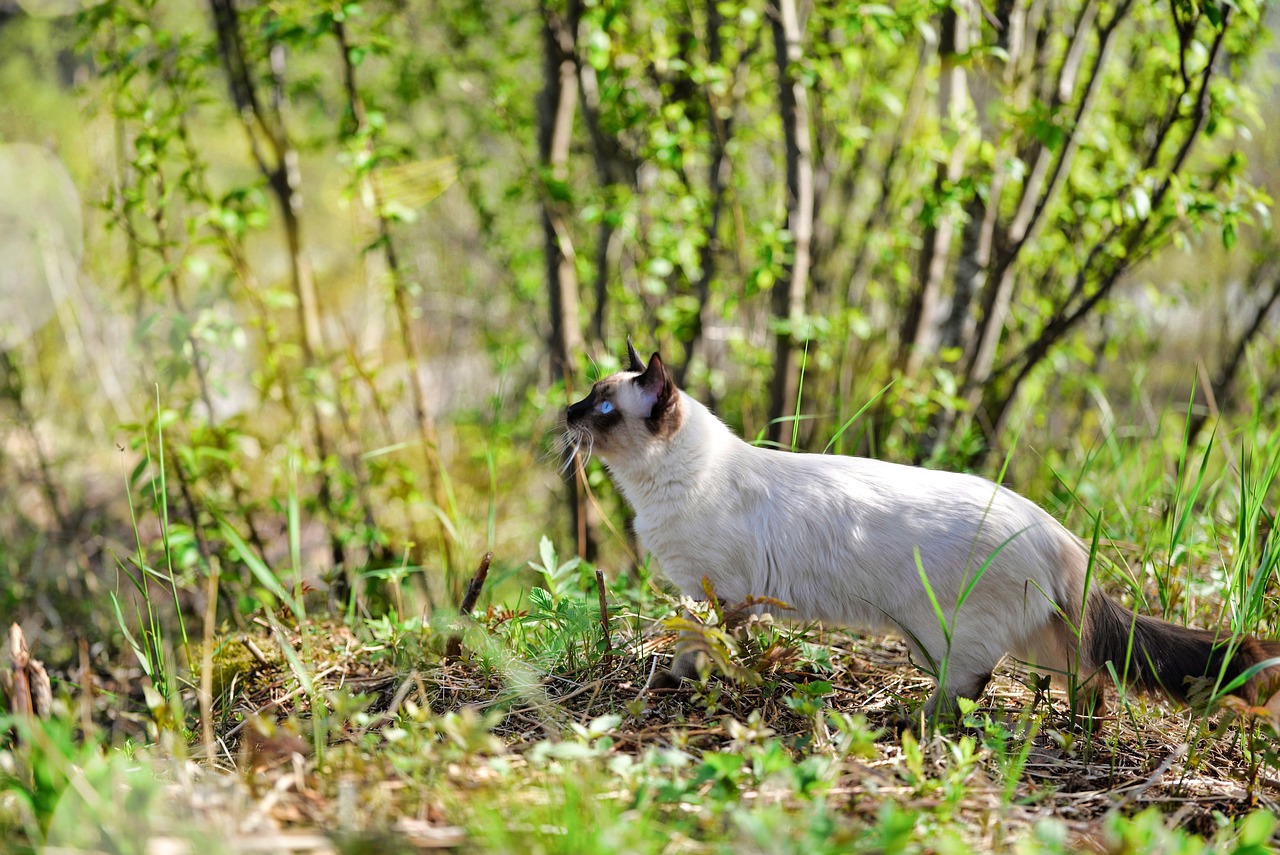

How to Introduce a Ragdoll Cat to Other Pets
Introducing a Ragdoll cat to other pets requires careful planning. First, ensure that your Ragdoll is comfortable in their new home and has established their own territory. Cats are territorial creatures and introducing them to other animals can be stressful. Set up a separate space for your Ragdoll where they can feel secure. Make sure this area includes essential items like their litter box, food, and water. Additionally, felines benefit from having vertical spaces, so consider adding cat trees or shelves. Before the official introduction, allow the pets to become accustomed to each other’s scent. You can achieve this by exchanging bedding or gently rubbing a cloth on one animal and placing it near the other. This process helps them associate the scent without direct contact. Also, give your Ragdoll time to adjust to their surroundings. Once they are calm, you can proceed with the introduction. Monitor their interactions closely, especially during the first few meetings. Be patient and allow them to explore each other on their terms. This will ensure a smoother transition between your Ragdoll and other pets.
Next, prepare for the initial meeting by ensuring that all pets are calm. Use treats to create a positive association during the introduction. Hold your Ragdoll while keeping them secure or use a pet carrier for safety. Allow the other pets to approach and sniff the Ragdoll at their own pace. If possible, introduce them in a neutral space, such as a room they don’t often visit. This reduces the territorial behavior that cats may display. Always supervise the first interactions closely to prevent any aggressive behaviors or overwhelming situations. If your Ragdoll seems frightened or aggressive, it is essential to remain calm. You can distract them with toys or treats to diffuse any tense moments. Consider giving your other pets the same attention and treats to maintain parity. After a short visit, separate them again. Gradual exposure is the key to a successful introduction. It also helps build trust among the pets involved. Repeat these brief introductions daily until they start showing curiosity and comfort around each other. Monitor their behaviors to ensure that they are adapting to each other’s presence positively.
As you progress with the introductions, be aware of body language because it provides crucial insights. A Ragdoll may exhibit signs of fear, such as flattened ears or hissing. Conversely, assess the other pets for their reactions as well; they may show signs of curiosity or anxiety. When analyzing your Ragdoll’s body language, look for signs of relaxation like slow blinking or tail stand. These gestures indicate that they are feeling safe. If the behavior is positive, reward them with affection and praise. Implement a routine that accommodates both your Ragdoll and existing pets. Establish feeding schedules that reduce competition for resources and alleviate potential conflicts. Additionally, ensure that your Ragdoll has their own space to retreat when they feel overwhelmed. This could be a quiet room or a cozy nook with their favorite blanket or toys. Individual attention is critical during this adjustment period. Spend one-on-one time with the Ragdoll to strengthen your bond, which facilitates a smoother integration with the other pets in the household. Over time, these efforts will contribute to harmonious relationships.
Managing Jealousy Among Pets
Managing any jealousy that may arise after introducing your Ragdoll cat is essential for maintaining a balanced dynamic. Pets can sometimes act out due to feelings of insecurity or competition for your attention. To minimize jealousy, ensure equitable affection and engagement with all your pets. Set aside designated time to play and interact with each pet individually. This reassures them that their bond with you remains strong. Incorporate interactive play sessions with toys that all pets can enjoy, such as feather wands or laser pointers. This encourages teamwork and fosters cooperation. Watch each pet’s behavior carefully during these group activities; if anyone becomes aggressive, step in to redirect attention. Furthermore, provide personal spaces for each pet to retreat and feel secure. In addition, consider creating distinct feeding zones for each pet. This means they can eat in peace without feeling threatened by one another. Consistency is key as you manage these dynamics. Remain patient, as it can take time for all animals to adjust fully. Celebrate small milestones in their interactions, reinforcing success to promote a positive atmosphere in your home.
Once your pets appear comfortable around each other, integrate them further into shared spaces. It is crucial to give them the option to have together time or alone time, depending on their comfort levels. Gradually allow your Ragdoll to join other pets in common rooms of your house. Observe their interactions closely during these times. Look for cooperative behaviors, such as grooming each other or playing together. If you notice any signs of aggression, step in promptly and separate the animals until everyone has calmed down again. If possible, strive for sessions that last a few minutes at first, then gradually extend the time together as long as they are relaxed. Provide plenty of toys and stimulation around the environment to keep them engaged and focused on play rather than each other. Be sure to reward positive interactions with praise or small treats. To monitor their progress, consider keeping a journal of interactions and behaviors. Documenting the process will help you understand what works best and provide valuable insights into fostering relationships among your pets. Take steps to reinforce positive behaviors consistently.
In addition to fostering interaction, offer enrichment activities that engage both your Ragdoll and other pets. Cats appreciate mental stimulation, which can ease any boredom or anxiety that may arise. Consider providing puzzle toys that require them to think critically and work for treats. Engaging other pets in similar activities promotes team bonding and provides entertainment. Rotate their toys regularly to keep things fresh and interesting, as this encourages exploration and excitement in your pets. Additionally, consider incorporating cat-friendly plants or scratching posts to establish a welcoming atmosphere. Ensuring a diverse and stimulating environment will keep your pets occupied and discourage potential conflicts. Introducing positive reinforcement techniques is essential. Whenever you observe your Ragdoll or any other pet displaying good behavior around each other, offer praise or small treats. This encouragement promotes a goodwill atmosphere and influences their unique personalities over time. If issues arise during interactions, it is vital to re-evaluate the introduction process. Address issues quickly, as unresolved tension can lead to lingering challenges. With consistent effort and observation, they’ll gradually build their relationship.
Final Thoughts on Ragdoll Integration
As you move forward, it is vital to remember that patience is essential when introducing a Ragdoll cat to other pets. Each animal has its unique personality and can react differently to new integrations. There is no one-size-fits-all approach; therefore, flexibility in managing their interactions is crucial. Some pets will establish camaraderie quickly, while others may take longer to adjust. Be prepared for setbacks, and don’t be discouraged if things don’t unfold as planned. When the introduction is going well, gradually incorporate more shared experiences like watching television together or hanging out for relaxation. This normalization enhances their relationships and creates a sense of safety. Remember to respect their individual boundaries; never force interactions if any pet is expressing discomfort. Introducing your Ragdoll to other pets can ultimately turn into shared companionship with ongoing bonding. Celebrate the uniqueness of each pet and strive for a positive combination of personalities. This endeavor takes time, diligence, and love, but the joyful and harmonious home that results is always rewarding for both you and your pets.
To further support your Ragdoll during this transition, consider enlisting the guidance of a professional animal behaviorist. They can provide personalized advice and strategies tailored to your particular situation. When facing challenges, expert insights can be invaluable in improving outcomes and ensuring lasting relationships among your pets. Ultimately, remember that patience and consistency are your allies in this journey.