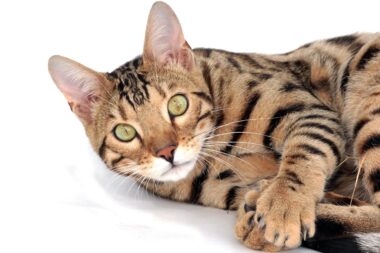

Training Your Toyger Cat: Best Practices
Toyger cats are a unique blend of domestic charm and exotic appearance, known for their leopard-like stripes and playful demeanor. Training your Toyger is essential to ensure they grow up well-adjusted and socialized. Understanding their intelligent nature and active personality can unquestionably enhance your training experience. Begin by establishing a strong bond with your Toyger through consistent interaction. This bond builds trust, making your training sessions more effective. Always use positive reinforcement to encourage good behavior—this means treats, praise, or affection when they respond correctly. Duration and frequency of training sessions are crucial; keep them short but frequent to retain their interest. Also, be patient, as some individual Toygers might take a little longer to learn commands than others. The early stages of training should include basic commands such as “sit,” “stay,” and “come.” Once they master these, you can introduce more complex tasks. Make sure to vary the activities to keep their minds engaged and to provide sufficient physical exercise. Exercise is vital for a Toyger’s health, promoting both physical fitness and mental stimulation.
Understanding the Toyger’s Temperament
Understanding the Toyger’s temperament reveals a lot about how best to train them. Toyger cats are typically outgoing, affectionate, and very active. They enjoy being part of the family and thrive on interaction. Recognizing their social nature is vital in shaping effective training methods. Toygers are curious beings, and they’ll always explore their surroundings. This trait can be channeled into fun training exercises, such as interactive toys or agility courses. Their intelligence often means they require mental stimulation daily, or they may develop behavioral issues. Engaging them mentally can prevent boredom and ensure they remain happy. Providing toys that challenge their intellect can also play a crucial role in keeping them occupied. Use puzzle toys or treat dispensers to encourage problem-solving skills. Moreover, when introducing training sessions, choose a calm environment free from distractions to help them focus. Always anticipate that Toygers may respond with a burst of energy after a training session, so be prepared for playful antics. Understanding their moods and energy levels will aid you in creating a tailored training schedule that benefits both you and your Toyger.
When teaching commands, consistency is key; use the same word for each command to avoid confusion. For instance, always using “sit” instead of alternating between “sit down” and “sit” helps your Toyger grasp the expected action. It’s equally essential to be mindful of your body language during training. Cats are observant creatures, and they often respond better to gestures than words. Pairing verbal commands with gestures will help reinforce the desired behavior. It could be as simple as pointing or using hand signals to indicate what you want. Always remember to monitor the tone of your voice – a cheerful and encouraging tone promotes an enthusiastic response from your Toyger. Moreover, if your Toyger gets distracted or loses interest, take a break rather than forcing them to continue. This break can prevent frustration for both you and your cat. Training shouldn’t feel like a chore; instead, it should be an engaging experience for both. Encourage playful exchange after every session to reinforce a positive training atmosphere. Over time, this method will cultivate a responsive and well-behaved Toyger cat.
Socialization and Interaction
Socialization plays a vital role in raising a well-mannered Toyger, as it will shape their outlook on various experiences. Introducing your Toyger to new people, pets, and environments can significantly reduce shyness, building confidence. Begin the socialization process at a young age, as expanded exposure creates a well-rounded adult feline. Regularly allowing your Toyger to meet new people will help them adapt better to visitors and strangers in the future. Consider enrolling them in a puppy or kitten kindergarten for early social exposure or arranging playdates with other animals. Positive associations made during these interactions—via treats or petting—can reduce fear and anxiety. Never rush the socialization process; each Toyger will adapt at their own pace. Pay attention to their reactions—if they seem overwhelmed or frightened, give them space to retreat. Allow them plenty of time to observe new sights and sounds from a distance. Gradually decrease this distance as they become more comfortable. Proper socialization produces friendly and confident Toyger cats, capable of handling various situations as they grow into adulthood.
When you are working on socializing your Toyger, ensure they’re comfortable by creating a safe space in your home. This space can be equipped with familiar toys and blankets that have your scent. It acts as a safe haven whenever they feel overwhelmed. Aim for gradual introductions with other pets; this approach prevents territorial disputes. Some Toygers may have a dominant personality, so introducing them slowly to new pets can help avoid conflicts. Redirect their energy into constructive activities like supervised play with a gentle, sociable dog. Always supervise these interactions initially to ensure safety. Once your Toyger feels secure around other animals, the friendships can flourish. Encourage positive interactions through playtime with new pets; shared activities together will strengthen bonds while fostering trust. Socialization also includes exposing your Toyger to various environments, from the busy household to quiet outdoor settings. Safe exploration of different surroundings equips your Toyger with essential coping skills. Such experiences contribute to their overall mental health, helping them adapt better to daily life. Remember, it’s a gradual journey requiring patience, but the result is worth it.
Training with Toys and Games
Utilizing toys and games can enhance your training experience with your Toyger cat while making it enjoyable. This breed thrives on interactive play, making it an ideal tool for reinforcing commands and behaviors. Fetch is a fantastic game to teach, as Toygers often mirror playful and active behaviors. Using a soft ball or a feather toy can keep their attention and make training feel like playtime. Incorporating these playful elements creates positive associations; thus, they learn faster. Structure your training sessions around games so your Toyger willingly participates. Use their favorite toys to reward them when executing tasks correctly, creating a cycle of learning through enjoyment. Moreover, invest in puzzle toys that stimulate their minds while rewarding them with treats; this encourages them to engage their problem-solving abilities. Rotate the toys frequently to maintain their interest, ensuring they don’t lose motivation during playtime. Turn mundane training into fun challenges that foster engagement and excitement. This method not only enhances your Toyger’s receptiveness but establishes a stronger bond as you both enjoy interactive training experiences together.
Continuously challenging your Toyger will help them remain mentally agile during their growing stages. Focus on games that also engage their physical prowess, such as climbing structures or scratching posts. These elements help satisfy their natural instincts while allowing you to incorporate training drills within these activities. For instance, hide-and-seek can be adapted into a training tool by hiding treats throughout the house, encouraging them to use their hunting instincts and problem-solving skills. Combine more straightforward tasks with greater complexity, gradually advancing as they become adept at previous challenges. Remember, balance is crucial; too much stimulation can overwhelm them. Therefore, signaling an end to playtime is critical to avoid overstimulation. Always conclude sessions on a positive note with affection and praise, reinforcing their achievements. This method nurtures self-confidence in your Toyger while ensuring they associate training sessions with pleasurable experiences. Keeping the environment fun and rewarding leads to enthusiastic responses, creating a joyful and fruitful training partnership. Ultimately, this creates a happy, balanced, and trained Toyger cat ready to roam the world confidently.
Maintaining Your Training Routine
Consistency is fundamental in any successful training regimen, especially with your Toyger cat. Establishing a routine ensures your Toyger remains accustomed to training sessions, improving their focus and reliability in responding to commands. Factor in training during their peak energy moments, which typically occur in the morning and evening. Continuously reinforce learned commands during these sessions, gradually spacing out corrections as they grow more confident. As your Toyger progresses, think about transferring learned behaviors to real-world situations. For instance, practice the “sit” command before mealtimes or when playing with them outside. This solidifies their understanding, making it easier for them to apply these commands consistently. Incorporate training efforts into their daily activities without overwhelming them; break down the sessions into digestible portions. Use specific times of the day where training can smoothly blend into their routine. Ensure your Toyger doesn’t view training as a chore—this mindset could lead to resistance. Rather, approach each session with enthusiasm, keeping their spirits high and maintaining an inviting atmosphere. Indeed, this careful nurturing of your training relationship will eventually lead to a well-behaved Toyger.