
Maintaining Clean Air Filters in Cat House Ventilation Systems
Ensuring clean air in a cat house is essential for the health and well-being of your pets. The ventilation system plays a crucial role in maintaining air quality by circulating fresh air and removing pollutants. One key component of this system is the air filter, which needs regular maintenance to perform effectively. Dirty filters can cause allergens and contaminants to accumulate, leading to respiratory issues in cats. Therefore, establishing a cleaning routine for these filters is vital. It’s recommended to check filters monthly and replace them as needed. Different types of filters are available in the market, including HEPA and carbon-based filters. HEPA filters trap small particles, while carbon filters neutralize odors. Selecting the right filter depends on your specific needs. For instance, if you have a cat that is prone to allergies, a HEPA filter may be the best option. Over time, dust and hair can clog the filter, reducing airflow. Hence, understanding your cat’s environment and the filter type is critical to maintain optimal ventilation and indoor air quality.
Another aspect to consider in your cat house ventilation system is the overall design. Ensuring that every area receives adequate airflow keeps the space healthy and comfortable for your cats. Proper placement of vents and exhaust fans can maximize airflow efficiency. Ensure you observe your cats’ behavior and comfort levels in various areas to determine if airflow is sufficient. If some rooms feel musty or stagnant, it may indicate that air is not circulating properly. Additionally, using ceiling fans in larger spaces can help distribute air evenly. Regularly inspect ductwork for any obstructions or damage that might impede airflow. If you notice reduced efficacy in your system, you might need a professional assessment. Moreover, combining natural ventilation with mechanical systems can enhance air quality. Opening windows and doors allows fresh air in and encourages better circulation. However, always ensure any natural ventilation option is safe and secure to prevent your cats from escaping. Thus, consider both design and maintenance as critical components of an effective cat house ventilation strategy to enhance your pets’ living conditions.
Signs of Clogged Air Filters
Identifying signs of clogged air filters is essential for maintaining your cat house’s ventilation system efficiently. One common sign is reduced airflow through the vents. If you notice that it’s harder for air to circulate or that the temperature varies significantly in different rooms, this could indicate a clogged filter. Pay attention to an increase in dust accumulation on furniture and surfaces, as this often means the air isn’t filtering properly. Furthermore, you might detect unusual odors emanating from the vents, indicating contaminants are not being filtered out. Health issues can also arise in your cats if the air quality deteriorates; signs such as coughing, sneezing, or lethargy can be indicators. Regularly monitor your cat’s health with any changes to their breathing or activity levels. Keeping a log of your observations can help establish a pattern linking air quality to your cats’ behavior. Regular checks can prevent more serious issues, including respiratory diseases. Make it a habit to inspect and clean the air filters regularly to ensure that the ventilation system operates efficiently.
To maintain clean air filters in your cat house, consider scheduling cleaning sessions aligned with your routine. Evaluate how often you need to change or clean the filters based on usage and environmental factors. Homes with multiple pets may have higher litter and hair, necessitating more frequent maintenance. Keep in mind that seasons can affect filter performance as well; during shedding seasons, more hair and dander can clog filters faster. Mark your calendar for monthly checks or set reminders on your phone to ensure you don’t forget. When removing filters for cleaning, do so carefully and check for signs of damage or wear. If filters appear damaged or excessively soiled, replacing them is often more effective than cleaning. Always keep spare filters on hand for quick replacements to minimize downtime in airflow. Review recommendations from the filter manufacturer regarding cleaning methods and products. Using appropriate tools, like a soft brush or vacuum, can aid in cleaning without damaging the filter material. Therefore, consistency and awareness of your environment will help ensure that you maintain optimal air quality for your beloved cats.
Choosing the Right Filters
Selecting the right filters for your cat house ventilation system is an important step in maintaining clean airflow. Numerous filter options are available, so understanding their specifications and effectiveness is essential. One popular choice is the HEPA filter, well-known for trapping small particles, including pet dander and allergens. HEPA filters are highly effective for households with allergy-prone pets or family members. Another excellent option is activated carbon filters, which absorb odors and harmful chemicals. These filters work well in environments with strong smells, such as litter boxes or food areas. It’s also crucial to consider the MERV rating of the filters, which indicates efficiency in removing airborne particles. A higher MERV rating means better filtration, but it’s essential to balance filtration efficiency with airflow resistance. Extreme filtration can hinder airflow, making your ventilation system less efficient. Consult with professionals or experts if you’re unsure which filter is best for your specific needs. Regularly substituting or cleaning your chosen filters will enhance performance and prolong the life of your ventilation system.
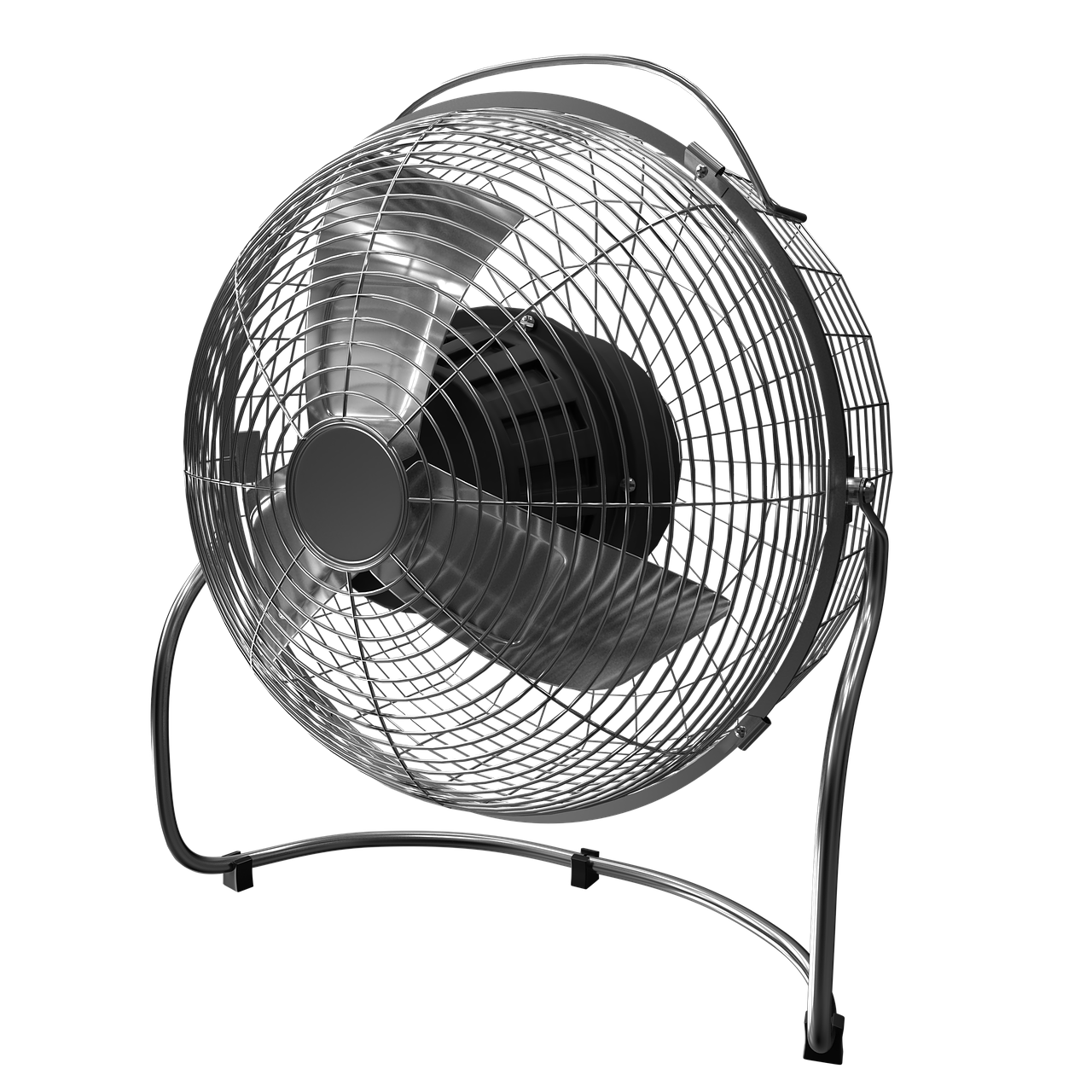
Regular maintenance and cleaning of your ventilation fans are also vital for maintaining a clean cat house environment. These fans help circulate the air and assist in removing stale air, making their functionality crucial for any ventilation system. Dust and hair can quickly accumulate on the fans, leading to reduced efficiency. Schedule regular cleaning for the fans at least every three to six months. Additionally, inspect them for any signs of wear and tear, such as unusual noises or decreased performance. If you notice these issues, it’s advisable to consult a technician for repairs or replacements. Remember that a clean fan contributes to better filtration as it prevents contamination from spreading. Using the right tools, such as a damp cloth or a brush, can effectively remove dirt from the fan blades without causing damage. Moreover, ensuring that any grilles or screens are free from blockages will help maintain optimal airflow. Ultimately, regular maintenance of both filters and fans is integral to your cat house’s ventilation system, promoting a healthier living environment for your pets.
Conclusion: Healthy Air Equals Healthy Cats
In conclusion, maintaining clean air filters in your cat house ventilation system is essential for the well-being of your pets. A well-ventilated environment supports good air quality and minimizes health risks to your cats. Regular inspections, appropriate filter selection, and consistent maintenance practices have far-reaching benefits. By ensuring that your filters are clean and functional, you’re significantly reducing allergens and irritants in the air that can lead to respiratory issues. Moreover, investing time in maintaining your system ensures that each room remains comfortable and inviting for your furry friends. Establishing a routine and adhering to regular checks will keep you aware of airflow effectiveness and potential problems that may arise. Educating yourself on the needs of your ventilation system allows you to react quickly to any changes. Therefore, the effort put into maintaining your filters and creating a comfortable, safe environment pays off immensely. Healthy air equals healthier cats, contributing to their happiness and longevity. Remember, when it comes to our pets, we always strive for the best.
In summary, ensuring continuous air quality through regular maintenance of your cat house ventilation system is key to your cats’ health and comfort. Following the right protocols to maintain clean air filters will not only benefit your pets but also enhance the overall environment of your home. Regularly scheduled maintenance sessions combined with the use of the appropriate filter for your needs creates a focused effort towards enhancing air quality. Observing signs of filter clogging helps you to address issues before they escalate. Keep proactive regarding airflow and filter replacement, especially with multiple cats or during shedding seasons. Further, don’t hesitate to consult professionals for advice on maintenance or if any significant issues arise. Care for your pets’ living conditions reflects your commitment to their health and happiness. Consistently clean air contributes to their quality of life, as improved airflow leads to a healthier home environment overall. Thus, remember the crucial role your ventilation system plays in maintaining a harmonious atmosphere. Through dedication and attention to detail, you can create an ideal living space for your cherished feline companions.