
How Cats Detect Changes in Their Environment
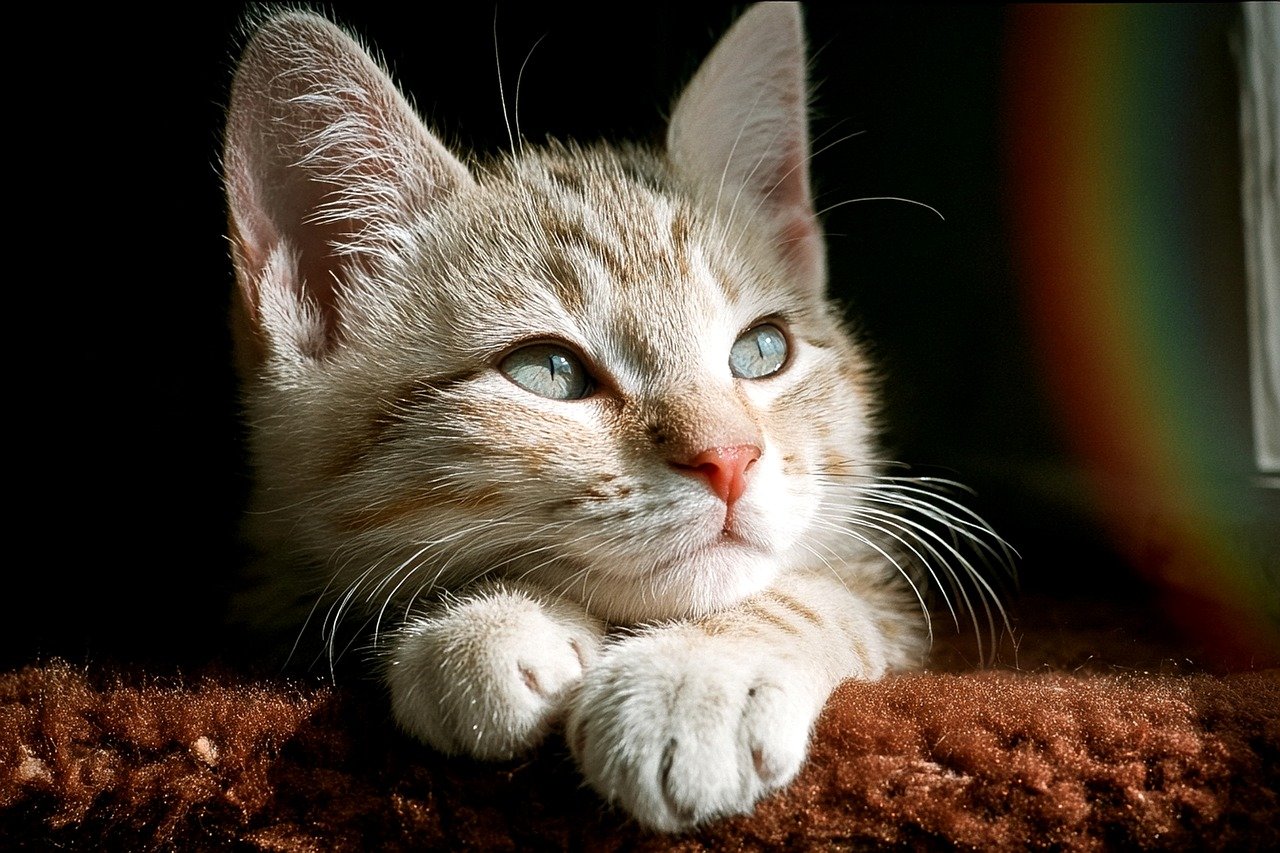
Cats are fascinating creatures that exhibit keen senses to navigate their environments effectively. Adapted from wild ancestors, they use their acute senses to detect changes, ensuring their survival. One of the most striking aspects of a cat’s perception is its ability to detect subtle variations in sounds. For instance, they can hear ultrasonic frequencies beyond human capability, allowing them to sense the movements of small rodents. Their ears pivot independently, enhancing their ability to localize sounds precisely. Additionally, their eyesight is finely tuned for detecting motion, even in low light, which assists in hunting. Touch is another vital sense; their whiskers, which are highly sensitive, help them sense nearby objects and navigate tight spaces. They can feel even the slightest vibrations in the air or on surfaces, which informs them about their surroundings. Furthermore, cats have an innate sense of smell, which is essential for detecting pheromones and other scent markers in their environment. This multi-faceted sensory perception enables them to adapt to various situations, ultimately allowing them to thrive in their homes and surroundings. Thus, understanding these sensory perceptions can enhance our relationship with cats.
Behaviorally, cats also exhibit intriguing ways to respond to environmental changes. They are known for their cautious approach to new objects or alterations in their surroundings. A sudden change, such as moving furniture, can stress them. Cats might initially avoid the altered area until they adjust. Their natural curiosity often leads them to investigate changes slowly and with heightened awareness. Observational behavior is typical; they might sit back and watch a new object intently, analyzing it before coming closer. This wariness is not merely anxiety; it reflects a survival strategy from their wild ancestors, where unfamiliarities posed potential threats. Moreover, cats communicate their comfort levels through body language, often showing signs of curiosity or stress through tail movements, ear orientation, and posture. In social settings, they rely on scent to interact with other cats, reinforcing social bonds and territorial boundaries. Often they rub against items or even people to mark their territory. Familiar smells create environments where they feel secure, which is essential for their emotional well-being. Thus, understanding how cats perceive spatial dynamics is crucial for providing a comfortable and safe living space.
Sensory Adaptation in Cats
Cats exhibit remarkable sensory adaptation to their environment, which can change dramatically based on various factors. One significant form of adaptation is their ability to acclimatize to contrasting light conditions. Cats are crepuscular creatures, primarily active during dawn and dusk, and their eyes are optimized for low-light vision. This adaptation allows them to detect prey even in dim light. Moreover, their eyes have a higher number of rod cells compared to humans, enhancing their vision during low-light situations. This difference means that while humans may struggle to see in darkness, cats can navigate with ease. Additionally, scents become more pronounced to them as they spend time in a particular environment. Cats can become accustomed to the smells of various places, adjusting their behavior according to the scents they associate with safety, food, or danger. Their highly developed olfactory receptors allow them to detect individual scents amidst a mixture. Furthermore, these adaptations not only allow them to respond better but also contribute to their overall behavioral patterns, impacting hunting, social interactions, and territoriality.
Another fascinating aspect of feline perception is their response to environmental stimuli through learned behavior. Cats can associate specific sounds, smells, and even visual cues with positive or negative experiences. For example, the sound of a can opener might trigger a response due to its association with feeding time. Cats can become quite predictable when it comes to routines, demonstrating an understanding of their environments. If a cat learns that a particular sound signals a routine, they may react in anticipation of what follows. This conditioned response showcases how cats use environmental cues to inform their behaviors. Similarly, cats use their sense of smell to identify humans and other animals, becoming distressed if familiar scents suddenly alter—possibly indicating a change in the owner’s routine or a visitor’s presence. Understanding this capacity for learned behavior underscores the importance of stability in a cat’s environment. Predictable routines can lead to calmer and happier pets. This learning process highlights how their natural instincts combine with experiential learning, shaping their interactions with changing environments and the humans they depend on for safety.
The Role of Environment in Cat Behavior
Understanding how cats interact with their environment also involves considering their natural instincts and habitat preferences. Environments that mimic their natural habitats can significantly influence their behavior. For instance, providing vertical space through cat trees or shelves can satisfy their instinct to climb and survey their territory, reflecting their prey-hunting behaviors. This access to elevation also helps them feel secure, as they can observe and assess potential threats safely. Conversely, environmental stresses can lead to behavioral issues such as litter box avoidance or destructive behaviors. A cluttered or noisy environment can make them anxious and misinterpret normal activity as a threat. Therefore, maintaining a calm, organized space supports their well-being. Furthermore, the addition of interactive elements such as scratching posts and engaging toys can stimulate their curiosity and engage their predatory instincts. Environments enriched with various textures, smells, and visual stimuli allow cats to exhibit natural behaviors, such as hunting, exploring, and resting comfortably. By tailoring their environment, we enable cats to thrive, ensuring they remain physically healthy and mentally stimulated.
In addition to physical environments, auditory stimulation also plays a significant role in how cats perceive changes around them. Sounds can convey information about their surroundings, and cats tend to react differently to various noises. For instance, they might become alert to high-pitched sounds that indicate potential prey, while lower frequencies can indicate danger, suggesting that they remain in hiding. Familiar sounds often evoke comfort, allowing them to relax, while unfamiliar or harsh noises can induce stress. Environmental changes, such as the introduction of new pets or loud machinery, can create anxiety and lead to behavioral changes like hiding or aggression. Given their innate nature to respond to potential threats, it is crucial to minimize exposure to sudden or loud noises, particularly in homes with multiple animals. Creating a calming space with controlled auditory stimuli allows them to feel secure and relaxed, fostering a conducive environment for their unique needs. The interplay between sound perception and behavioral response showcases the depth of a cat’s perceptual world and emphasizes the need for thoughtful management of their surroundings.
The Impact of Social Interaction on Perception
Lastly, the social interactions of cats significantly impact how they perceive and react to their environments. Cats are inherently social animals despite their independent streak, and the relationships they maintain can affect their behavior. When in a stable environment with positive interactions, a cat is more likely to be resilient in facing changes. For instance, they may become distressed or anxious in new situations if they feel insecure or threatened. In contrast, strong bonds with their owners can provide the security needed to explore new environments more confidently. Additionally, observing interactions with other animals can also shape their reactions. Cats tend to learn from the behaviors of their companions. If they see another cat approach a new object with curiosity, they might feel encouraged to do the same. Social dynamics within a household can also lead to changes in territorial behaviors, affecting how they react to their domain. Creating a balanced environment where social interactions are promoted can help cats thrive, ensuring they adapt positively to modifications in their surroundings, ultimately leading to a richer life.
Overall, cats are astute observers of their environment, utilizing a combination of sensory inputs to navigate and react to changes effectively. Their keen senses of hearing, sight, smell, and touch, coupled with learned behaviors, enable them to adapt dynamically. Understanding their perceptual world helps cat owners create a supportive environment that respects their needs and fosters a sense of security. By acknowledging their behaviors and providing enriching environments, creating an optimal living space becomes easier. Investing time in understanding a cat’s needs and perceptions leads to a deeper bond and a more harmonious life for both the cat and owner. Awareness of the impact of the environment, social interactions, and sensory perceptions will enrich our understanding of feline behavior and create a fulfilling life for our beloved pets. This understanding encourages us to cater specifically to their unique instincts and behaviors while ensuring a safe, engaging, and thriving environment to live in. It’s a unique journey of discovery that enhances the human-animal bond and ultimately contributes to the well-being of our feline friends.