
How Grooming Can Improve Socialization in Shy or Anxious Cats
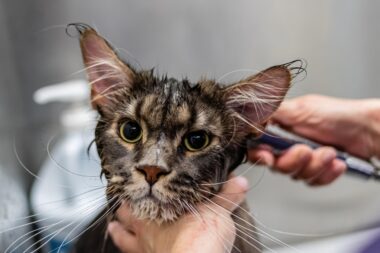
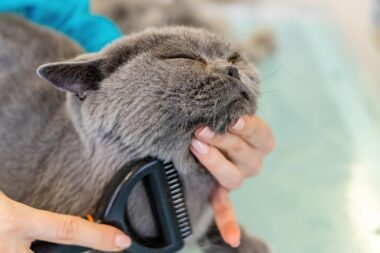
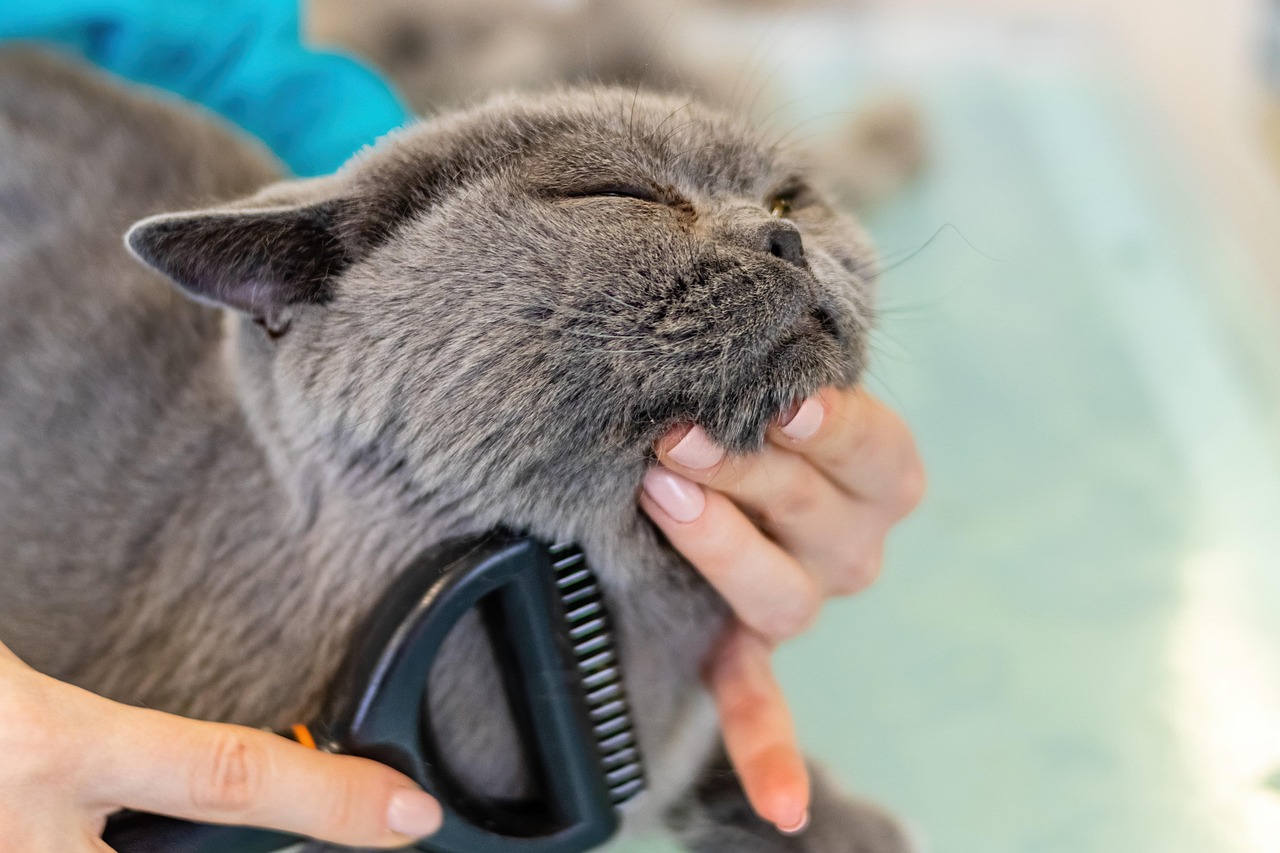
Grooming is more than just a routine maintenance task; it is an essential activity that can significantly improve the emotional well-being of shy or anxious cats. Regular grooming sessions can foster a sense of trust and security in cats, especially those that are timid. When cats experience gentle brushing and care, they may see their humans as sources of comfort and safety. This can lead to a stronger bond between the pet and their owner. In this process, the rhythmic motion of grooming can also mimic the natural behavior of mother cats, which helps to reduce anxiety and stress. The act of grooming can further create a soothing environment where the cat’s nervousness is alleviated. With time, these sessions can transform grooming into a positive experience that both the cat and owner look forward to. Furthermore, the tactile interaction helps stimulate the cat’s senses, increasing their awareness and encouraging them to express more affectionate behaviors. This accumulated effect is invaluable for improving overall socialization and emotional health in cats that usually shy away from human interaction.
Additionally, the bonding effect of grooming can lead to better socialization with other pets. Cats that feel more secure are often more willing to engage in social interactions, whether with humans or with other animals in their household. When a cat is groomed consistently, it reduces fear associated with handling and close contact. As the cat becomes comfortable with the grooming process, it opens the door for enhanced communication and interaction with other pets. This newfound confidence can allow shy cats to explore their environment more freely, creating opportunities for playful interactions or companionship with other pets. Effective grooming can also help mitigate territorial behaviors and encourage a sense of community within the household. Owners may find that grooming sessions serve as a bridge between fearful felines and their more confident counterparts. Thus, establishing trust through grooming not only benefits the individual cat but can promote harmony among multiple pets in a home. By fostering a safe space where all pets can interact calmly, the benefits of grooming extend beyond individual relationships to a more balanced household dynamic.
Emotional and Physical Benefits of Grooming
Besides socialization, grooming offers numerous emotional and physical benefits that can enhance a cat’s overall health. For instance, regular grooming helps minimize shedding, which reduces allergens in the environment. This is particularly significant for owners with allergies, as less shedding means fewer irritants in the air. Moreover, grooming sessions can help in identifying any potential health issues early, such as skin irritations, lumps, or parasites. By integrating grooming into routine care, owners can stay ahead of potential health complications that may escalate if left unchecked. Cats that receive regular grooming may also develop healthier coats, as this helps distribute natural oils throughout their fur. A well-groomed cat is often healthier and happier, showcasing how grooming impacts not just social interactions but well-being at large. It can become a ritual that promotes relaxation for both the owner and the pet. Overall, the emotional and physical benefits derived from grooming enhance both the pet’s quality of life and the owner’s satisfaction in caring for their fur baby. Consequently, this nurturing relationship results in a more fulfilling companionship.
Additionally, mindful grooming encourages positive reinforcement strategies. Using treats or gentle praise during grooming can reinforce the behavior, making cats more open to handling. This method encourages trust and acceptance. By associating grooming with positive outcomes, owners can effectively manage their cat’s anxiety and encourage cooperative behavior during future grooming sessions. Instead of grooming being seen as a chore, it evolves into a bonding experience. This conditional approach diminishes any fear or apprehension the cat may initially have about grooming and encourages them to look forward to it. Positive reinforcement not only makes grooming sessions easier but also fosters a happier cat. The joy of shared moments helps cement the human-animal bond, which is particularly crucial for shy cats who often lack confidence. Through patience and consistency, owners can make grooming a delightful experience that both they and their cat cherish. This transformation ensures that grooming remains a source of joy, further enhancing the trust and bond established through each session. Such an important aspect of cat ownership highlights the impact of grooming far beyond mere aesthetics or hygiene.
Creating a Safe Space for Grooming
Creating a safe and comforting environment is paramount when grooming shy or anxious cats. Cats are creatures of habit and often thrive in familiar settings. Therefore, selecting a designated grooming area that offers comfort can elevate the experience significantly. This space should be quiet, free from distractions, and equipped with cozy bedding where the cat can relax post-grooming. The use of familiar scents, such as a favorite blanket or toy, can further provide reassurance. When introducing grooming tools, take care to present them calmly and slowly. Allowing the cat to sniff and explore brushes or combs on their own terms can diminish fear related to these tools. Choosing the right grooming tools is also critical, requiring brushes that suit the cat’s coat type. Proper equipment makes the process smoother and ensures comfort. By being mindful about the tools used and the environment created, owners can strengthen the feeling of safety during grooming sessions. This careful approach can transform grooming into a positive reinforcement for a cat, making them more likely to embrace it in the future.
Furthermore, timing is key when establishing a grooming routine with anxious cats. Pay attention to their mood and choose periods when they are relaxed, perhaps after a nap or before meal times. This strategic timing will create associations that cultivate positive experiences around grooming sessions. Gradually increasing the duration of grooming can help cats acclimate without feeling overwhelmed. Short bursts of grooming followed by praise and treats are effective in building positive experiences. If a cat shows signs of distress, it’s crucial to break or shorten the session and try again later, respecting their boundaries. Patience is paramount, as every cat will respond differently to grooming efforts. Over time, with consistent and gentle handling, most cats will begin to show improved comfort and openness during grooming sessions. The foundation built on trust will lead to healthier grooming habits, ultimately resulting in a stronger human-animal bond. As owners support their shy or anxious cats through grooming, they are not only investing time in grooming; they are building a loving relationship that ensures their cat’s emotional security.
Conclusion: The Full Circle of Bonding Through Grooming
In conclusion, grooming can play a crucial role in enhancing socialization, trust, and emotional well-being in shy or anxious cats. Through consistent grooming practices, pet owners build valuable connections, transforming this routine into a mutually enjoyable activity. The benefits extend well beyond mere aesthetics and hygiene; they encompass emotional comfort, increased confidence, and improved interaction with humans and fellow pets. Creating a positive environment, utilizing positive reinforcement, and timing sessions correctly are critical strategies that empower owners to transform grooming into a bonding experience. As cats learn to trust their humans during grooming, they respond more readily to affection and companionship, enriching their relationships at home. By prioritizing grooming, pet owners not only invest in their feline companions’ health but also enhance their bond, creating a more harmonious household. The overall experience illustrates the profound effects of grooming that resonate deeply within a cat’s journey toward socialization and emotional health. As grooming becomes a nurturing practice, it solidifies the pet-owner relationship, ensuring pets feel secure and loved in their environment.