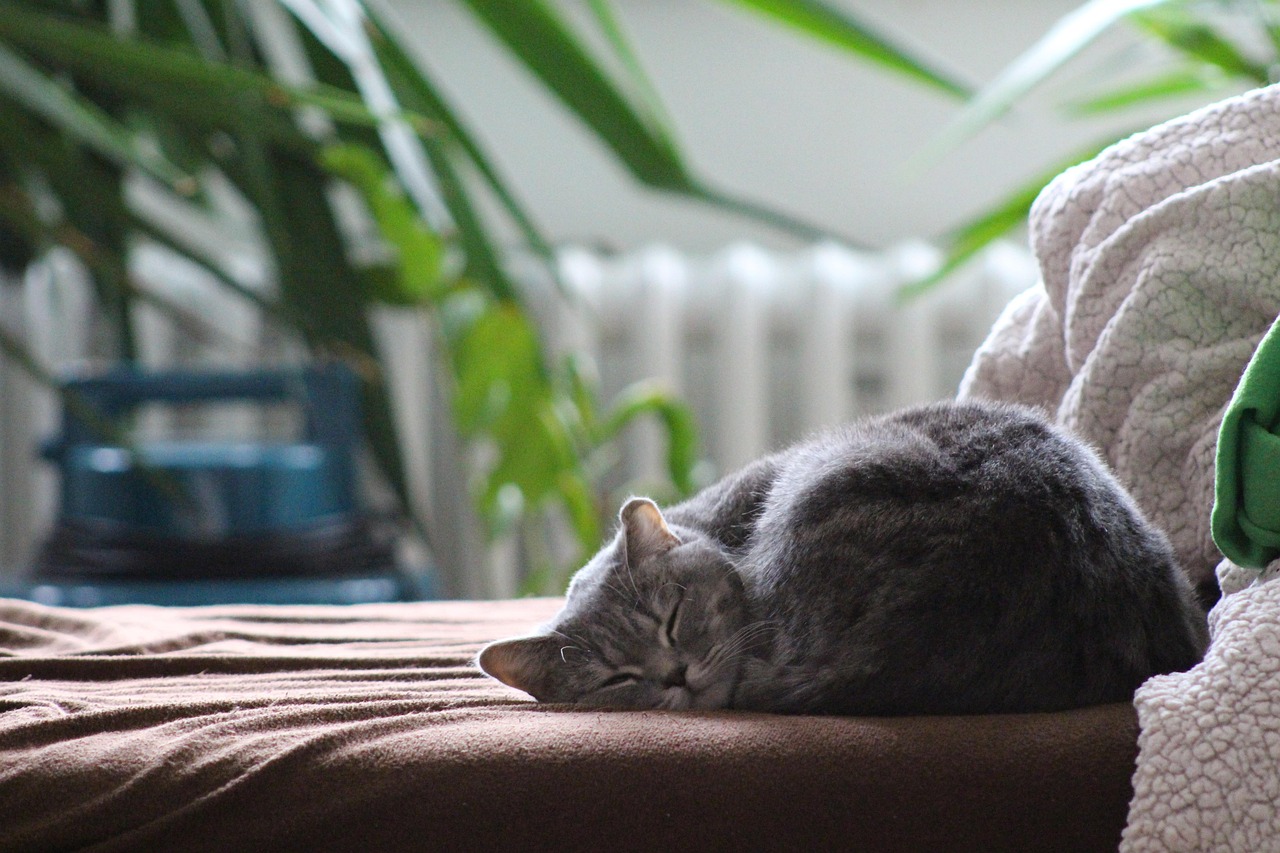

How to Monitor Your Injured Cat’s Stress Levels Effectively
Understanding your injured cat’s stress levels is crucial for their recovery. Stress can impede healing, so monitoring it closely is essential. First, look for physical signs: dilated pupils, excessive grooming, or hiding behaviors. Cats may also exhibit changes in appetite or litter box usage. Create a calm environment by keeping noise levels low; avoid loud sounds that could startle your cat. Maintain a familiar setting by minimizing sudden changes or movements around them. Additionally, ensure your cat has a safe space to retreat, like a cozy bed or enclosed area. Incorporate soothing scents, such as lavender or chamomile, which can promote relaxation. You can use pheromone diffusers designed for cats to reduce anxiety. Consider using soft bedding and toys that smell like you to create comfort. Observe your cat closely for changes in behavior, as this will guide you in adjusting their environment. Consistently check in with your veterinarian for advice on managing stress. Overall, a thorough understanding of your cat’s signals will enable you to provide optimal care while they heal.
Keeping your home environment calm is key to supporting your injured cat. Begin by limiting interactions with other pets or children during their recovery. This reduced activity helps minimize their stress levels. Create a dedicated recovery room where your cat feels safe and secure. Furnish this space with blankets, toys, and some familiar scents. Additionally, consider using soft lighting to avoid overwhelming their senses. It’s important to keep this recovery space consistent, allowing your injured cat the opportunity to rest undisturbed. Monitoring their behavior daily provides valuable insights into their comfort level in such an environment. Use gentle voices, and refrain from sudden movements when interacting. Schedule regular playtime or petting sessions to reinforce positive connections. When checking in with your cat, observe how they respond physically and emotionally to your presence. Furthermore, if your cat seems distressed, consider using calming music, which can have soothing effects. Finally, be patient during their recovery; allow them the autonomy to explore their space at their own pace. Establishing a tranquil atmosphere significantly aids in healing your injured cat and enhancing their overall well-being.
Signs of Stress in Cats
A range of signs can indicate your injured cat may be experiencing stress during their recovery. Look for observable behaviors such as frequent hiding or an unwillingness to engage with familiar surroundings. Pay attention to their grooming habits; excessive grooming can signal anxiety or discomfort. Also, monitor their eating patterns, as reduced or increased appetite can indicate stress. Cats may vocalize more than usual when anxious, signaling their emotional state. Understanding that each cat is unique in their reactions is essential for your observations. Additionally, physical symptoms such as trembling, panting, or uncharacteristic aggression should alert you to their distress. An awareness of these signs lays the groundwork for developing strategies to support your cat during this period. Ensure your cat’s safe space is free of abrupt changes and disturbances. Practice gentle handling when necessary to avoid exacerbating discomfort. If your cat exhibits severe stress signals, consult your veterinarian for professional advice tailored to their situation. Through understanding and observation, you can create a nurturing environment that alleviates your injured cat’s stress.
Implementing relaxation techniques can greatly assist in managing your cat’s stress levels. One effective method is through gradual desensitization to undesirable experiences. Begin by introducing them to new stimuli slowly, allowing them to adapt without overwhelming stress. Utilizing interactive toys helps promote engagement without stress, encouraging a natural play instinct. Incorporating soft, gentle touches also calms them, promoting a sense of affection and security. Make use of treat-based training to reinforce positive behaviors effortlessly. Keeping a routine also allows your cat to feel more secure, knowing what to expect within their day. Scheduling feeding times, play sessions, and quiet time can cultivate predictability. Importantly, ensuring environmental enrichment can distract them from their stressors. Adding cat towers, interactive food puzzles, and cozy perches can promote mental stimulation. Through providing enriching experiences, you help decrease their focus on stressors. Lastly, consider consulting animal behaviorists if stress symptoms persist or worsen. They can offer specialized insights and support for managing your cat’s emotional needs. Regularly emphasizing these techniques greatly aids in ensuring a comfortable emotional journey for your cat.
The Importance of Veterinary Check-ups
Regular veterinary check-ups are vital, especially following an injury. Your veterinarian can provide guidance on managing stress related to your cat’s condition. They can identify any underlying issues contributing to your cat’s anxiety or discomfort. Frequent evaluations allow you to assess your cat’s recovery progress and discuss behavioral concerns. Be sure to ask your veterinarian for advice on anxiety management strategies tailored to your cat’s specific needs. Additionally, veterinary visits offer an opportunity to bridge communication between you and your pet’s medical professional regarding recovery expectations. As your cat heals, veterinarians can suggest methods to gradually reintroduce them to stressors. A well-informed pet owner can create a manageable transition for their cat post-injury. Enrichment techniques discussed in previous sections can be better adapted with professional insights. Using these consultations effectively also builds trust with your feline; creating a bond between care and recovery. Furthermore, ask about any recommended supplements or medications that may support anxiety management while healing. Ultimately, veterinary check-ups are essential for fostering a holistic approach to your injured cat’s recovery journey.
Creating a plan to monitor your injured cat’s stress levels effectively requires consistent observation and adaptability. Document your cat’s behaviors regularly to identify patterns and triggers of stress. Utilizing a journal helps keep track of stress indicators and your cat’s responses over time. Foster an understanding of what works and what doesn’t for their recovery. Engage in dialogue with family members or pet sitters about necessary adjustments during your cat’s healing process. Prioritize open communication to ensure a united effort in creating a stress-free atmosphere. Collaboratively plan how to either adapt or eliminate triggers, thus optimizing your cat’s comfort. Importantly, remember to allow for quiet time in your cat’s recovery. It’s paramount to respect their need for space while offering gentle engagement. Investigate whether specific sounds or activities inadvertently provoke anxiety, making changes accordingly. Always reflect on your cat’s preferences to establish a routine ensuring positive interactions. Your diligence in monitoring will not only ease their stress but enhance their overall healing process. By remaining vigilant and responsive, you can ensure your injured cat recovers in an environment conducive to healing.
Conclusion
In summary, monitoring your injured cat’s stress levels involves a combination of observation, adaptation, and professional support. Recognizing stress indicators is crucial for ensuring your feline’s recovery is as smooth as possible. Utilize various techniques to create a calming environment, as documented behaviors guide adjustments effectively. Always keep in close contact with your veterinarian, implementing their advice fosters a well-rounded recovery plan. Utilizing natural calming aids, relational activities, and routine adaptations can alleviate stressors present in your pet’s environment. Regularly assess your cat’s comfort by engaging in calm interactions and offering reassurance throughout their healing journey. By understanding their specific needs, you create a supportive atmosphere that greatly benefits their overall health. Documentation of your cat’s behaviors will provide insightful feedback to both you and your veterinarian, promoting continual assessment. Overall, your commitment to monitoring their stress translates directly into your pet’s comfort and trust. Continue building a serene space for recovery where your furry friend can thrive amidst their healing process. A harmonious approach to their rehabilitation ensures they return to their vibrant selves.