
Natural Antioxidant Sources vs. Supplements for Dogs
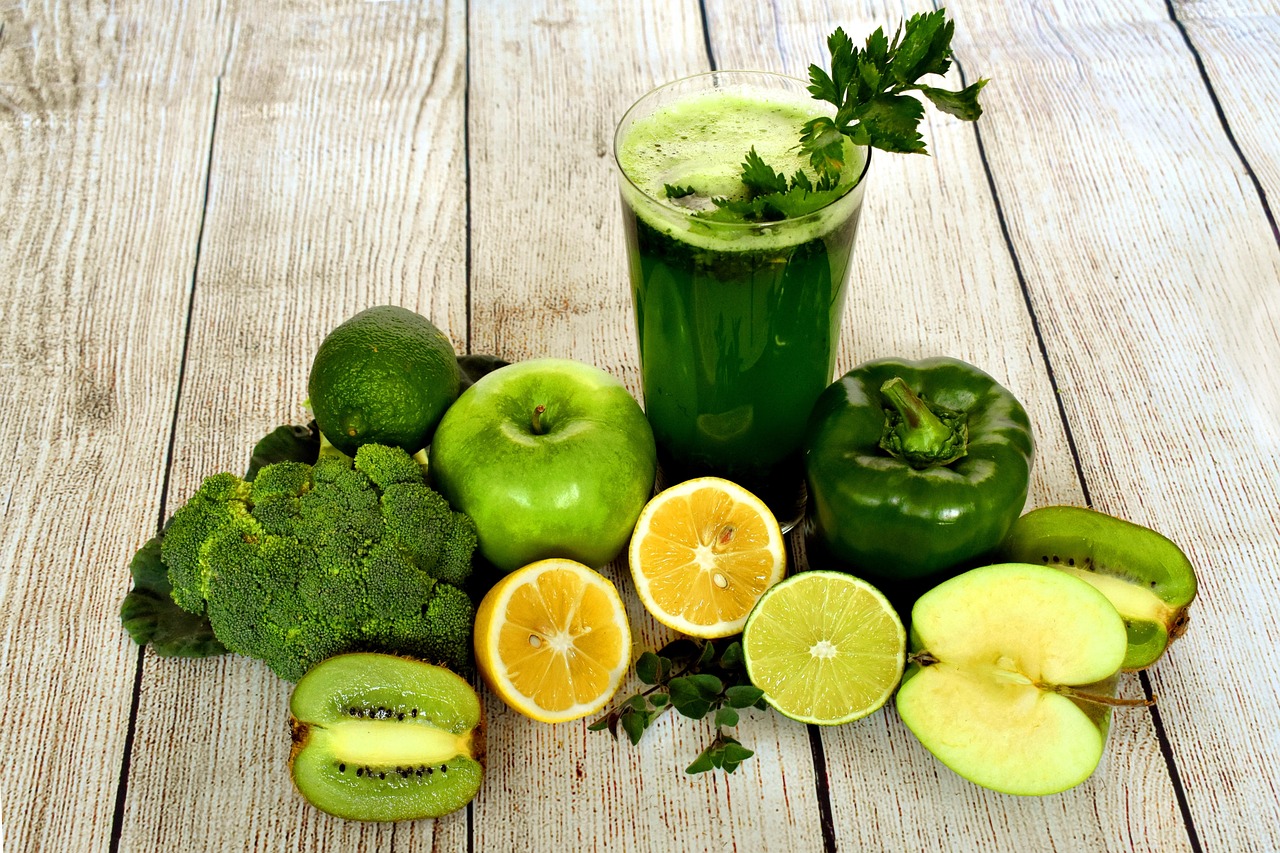
When considering the best approach to improving your dog’s health, prioritizing antioxidant-rich nutrition is essential. Antioxidants combat oxidative stress in cells, which can lead to various health issues. Natural sources of antioxidants include many fruits and vegetables that benefit your canine companion. Common options like blueberries, carrots, and spinach are excellent choices, as these foods are packed with vitamins and minerals that help support immune function. Feeding your dog a diet rich in these natural sources helps ensure they receive adequate nutrients without unnecessary additives. In addition, fresh foods often provide more bioavailable nutrients than supplements. However, owners should ensure they are safe for canine consumption. Consulting with a veterinarian before altering a dog’s diet is crucial because certain fruits and vegetables may cause digestive upset or toxicity in dogs. Moreover, understanding portion sizes can prevent overfeeding, ensuring that your pet receives the optimal antioxidant benefits without excess calories. Making informed decisions allows your dog to thrive, maintain a healthy coat, and enjoy an active lifestyle. A diet incorporating diverse fresh foods can lead to improved vitality in your beloved dog.
In addition to natural sources, various antioxidant supplements are available on the market. These supplements often contain concentrated extracts that aim to deliver powerful antioxidant properties in a small dosage. It’s important to examine the formulation and ensure it consists of natural ingredients, as synthetic options may lack the intended health benefits. Popular antioxidant supplements include coenzyme Q10, vitamin E, and beta carotene. These can support your dog’s health by promoting cellular repair and reducing inflammation, which can be pivotal for older dogs or those with special health considerations. Additionally, certain supplements are formulated to specifically target conditions like arthritis or kidney disease, providing extra support where necessary. Nevertheless, while supplements can provide benefits, they should complement a balanced diet rather than replace it. Over-reliance on supplements may obscure signs of underlying health issues and can lead to an imbalance of nutrients. Before introducing any new supplement, particularly for senior pets or dogs with pre-existing conditions, it’s essential to consult a veterinarian. Establishing a comprehensive approach that includes proper nutrition, regular exercise, and routine vet check-ups is vital to prolonging your dog’s health and happiness.
Benefits of Natural Antioxidants
Natural antioxidants in a dog’s diet can yield numerous health advantages, significantly enhancing their overall well-being. One of the primary benefits is immune support. Foods rich in antioxidants help neutralize free radicals, which are harmful molecules that can damage cells and contribute to chronic diseases. Incorporating fruits like blueberries or vegetables such as broccoli serves as an excellent means to bolster immune function, promote vitality, and reduce the risk of inflammation-related diseases. Furthermore, these natural foods offer not only antioxidants but also essential vitamins, minerals, and fiber, fostering better digestion and absorption of nutrients your dog needs. This natural approach tends to produce fewer negative side effects compared to synthetic supplements. Additionally, promoting a varied diet can be both mentally and physically stimulating for dogs, enhancing their overall quality of life. Dogs enjoy the different textures and flavors of natural foods, making mealtime a fun and enriching experience. Ultimately, investing in your dog’s nutrition by prioritizing natural food sources leads to a healthier, happier pet, providing you peace of mind as an owner.
While natural sources of antioxidants provide many benefits, understanding the importance of balancing these foods with other nutrient-rich ingredients remains crucial. A holistic approach to dog nutrition means recognizing that antioxidants are just one component of a complete diet. It’s essential for dogs to receive adequate protein, fats, carbohydrates, vitamins, and minerals. Therefore, consider including a variety of food groups, ensuring optimal health without neglecting other nutritional requirements. Regularly rotating the various types of fruits and vegetables your dog consumes can offer a range of antioxidants, keeping their meals interesting and nutritionally diverse. Furthermore, you should pay attention to the quality and origin of the foods you select. Many pet owners are increasingly choosing organic options to minimize exposure to pesticides and chemicals that may hinder their pet’s health. Be diligent in educating yourself about the best feeding practices and ingredients that work well together. Consulting with professionals or veterinarians when making diet decisions can provide additional expertise. Properly nourishing your dog will ensure they thrive physically and mentally, improving their quality of life and maximizing every shared moment.
Potential Risks of Supplements
Although antioxidant supplements may appear beneficial, they come with potential risks that dog owners should recognize. Supplements can vary significantly regarding quality and sourcing, leading to the possibility of choosing products that contain harmful additives or insufficient ingredient concentrations. Some pet owners may incorrectly assume that all supplements are safe and effective, but this is not always the case. Introducing higher-than-necessary doses can create imbalances in your dog’s diet, particularly concerning fat-soluble vitamins like A, D, E, and K, that could lead to toxicity. Additionally, reliance on supplements may mask underlying health issues, making it more difficult for owners to notice when something is indeed wrong. Another critical aspect relates to individual dog needs; not all dogs require added antioxidants through supplements, especially if their diet already consists of high-quality nutrition. It is essential to evaluate your dog’s health status and dietary habits to determine the necessity of supplements. Collaborating with a veterinarian ensures a tailored approach that best suits your dog’s unique health requirements while minimizing risks, enhancing their overall nutrition and wellness.
Reflecting on both options, the choice between natural antioxidant sources and supplements largely depends on individual circumstances and needs. For many dogs, incorporating a variety of fresh, whole foods will likely yield better long-term health outcomes compared to relying solely on encapsulated nutrients. Natural foods provide a broad spectrum of nutrients, working synergistically to reinforce your dog’s health without the fear of potential imbalances that supplements may introduce. Nevertheless, if your dog faces specific health challenges, dietary restrictions, or refuses to eat a variety of foods, high-quality supplements may help fill in the gaps. It’s vital to analyze your dog’s lifestyle, age, and medical history when making these decisions. Ultimately, the goal should be to optimize your dog’s health while maintaining a balanced diet. Ensuring overall nutrition through healthy foods plays a pivotal role in achieving this objective. Striking the right balance between natural sources and supplements can lead to enhanced energy levels, improved immunity, and greater longevity for your furry friend. Continued education and ongoing dialogue with your veterinarian are crucial to achieving the best outcomes.
Conclusion
In conclusion, navigating the world of dog nutrition involves careful consideration of both natural antioxidant sources and supplements. Both options offer distinct benefits and potential drawbacks. Prioritizing a diet rich in whole foods can offer significant health benefits by promoting balanced nutrition and reducing the risk of disease. On the other hand, appropriate supplements can provide concentrated support when necessary but should not substitute for comprehensive, high-quality nutrition. It’s critical for dog owners to educate themselves about what constitutes a balanced diet and how to best implement both sources of antioxidants. Regular consultations with a veterinarian can help you identify any gaps in your dog’s diet and suggest appropriate measures to enhance their health. Always monitor your dog’s responses to dietary changes and ensure that any major adjustments are made gradually. This approach will help reduce the likelihood of digestive upset and other issues. Weighing your options thoughtfully and remaining flexible as your dog’s needs change will enable you to provide the best nutritional support throughout their life. Your ultimate investment in their health today will result in a happy, energetic companion tomorrow.