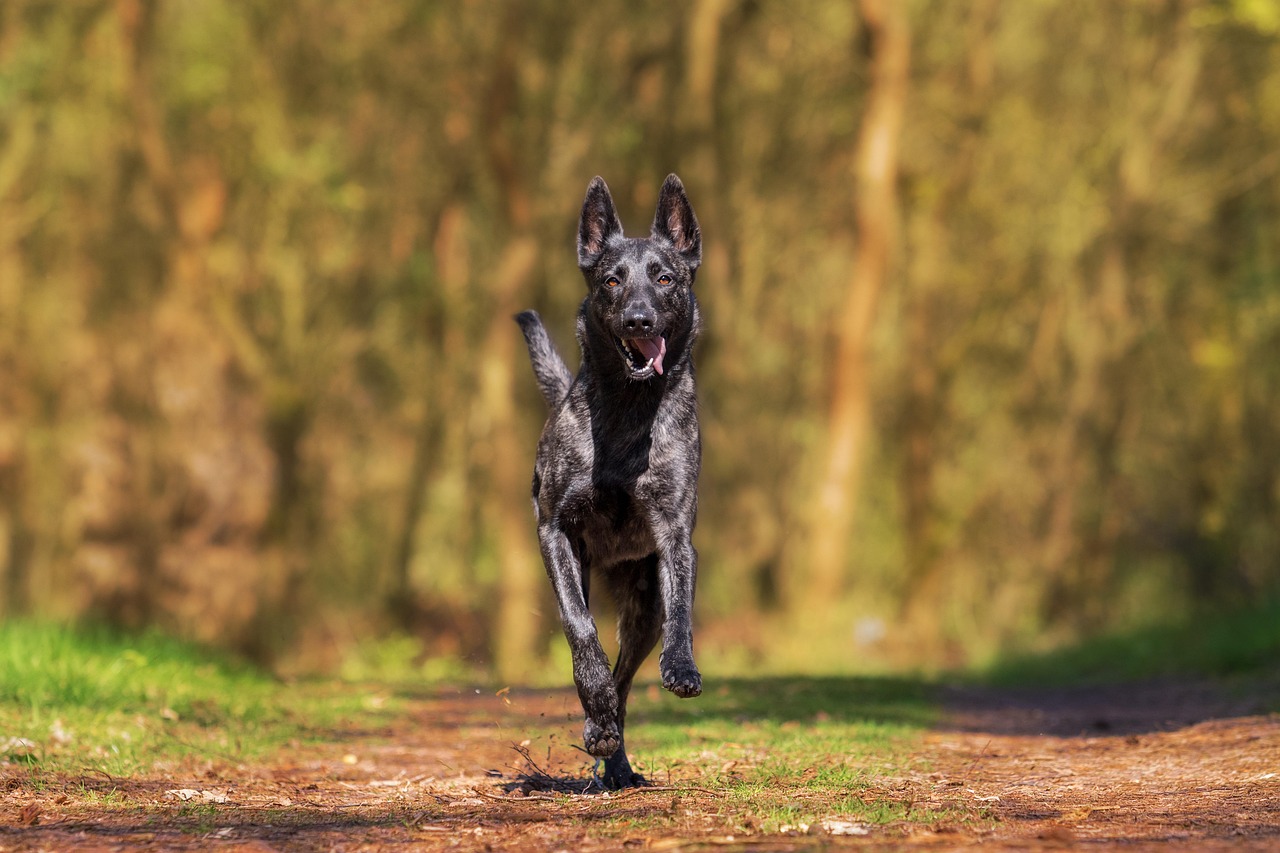

The Basics of Focusing Techniques in Dog Photography
Focusing is a crucial aspect of dog photography. The key is to achieve the sharpest image possible, especially of your subject’s eyes. When the subject is sharp, the viewer’s attention is immediately directed to it. First, familiarize yourself with different focus modes available on your camera or lens. For instance, the autofocus option is programed to select the main subject. Manual focus, on the other hand, allows precise control, especially in challenging lighting situations. It is useful when you have a nervous dog that advances quickly or seems to move out of focus frequently. Each mode serves a unique purpose and can aid in capturing that ideal shot. In addition, the composition of the photograph plays a significant role in how a dog appears. You might want to lower your camera angle to capture the dog’s perspective or utilize the rule of thirds to create a balanced image. These considerations, combined with focus techniques, can make a notable difference in the quality of your photos and help tell the story of the dog’s personality effectively.
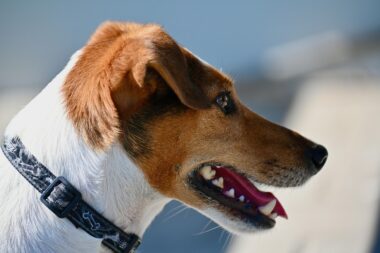
Another critical element in dog photography is understanding depth of field. Depth of field is the amount of distance between the nearest and farthest subjects in focus. It can vary dramatically based on your aperture settings. A wider aperture, such as f/2.8, results in a shallow depth of field, creating a beautiful blur effect around the dog, thus isolating it from the background. This technique can be incredibly effective if you have a busy or cluttered environment. It allows the viewer to focus exclusively on the subject. Alternatively, using a narrower aperture such as f/8 or f/11 increases the depth of field. This ensures more elements in the photo remain in focus. Such a technique is ideal for landscapes or group shots where it’s essential to have the whole scene clear. Knowing when and how to use these settings gives you more creative control over the look of your photographs. Additionally, experimenting with different settings can lead to exciting results. Overall, mastering depth of field is one of the fastest ways to elevate your dog photography skills.
Shutter Speed Considerations
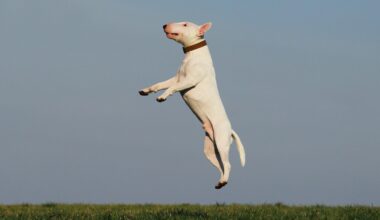
Shutter speed plays a significant role in capturing movement in dog photography. Dogs are often highly energetic, sprinting around and requiring fast shutter speeds to avoid motion blur. A shutter speed of at least 1/500 of a second is a good rule of thumb for fast-moving dogs. For particularly swift breeds, consider increasing the shutter speed to 1/1000 or even higher to freeze the action clearly. Remember, stunning candid moments happen in an instant, so readiness is critical. On the other hand, if you want to capture the essence of a dog playing or looking at something thoughtfully, slower shutter speeds can offer that effect with a slight blur. Yet, be sure to use a stable platform like a tripod to maintain sharpness in your focus. Furthermore, panning with your subject can create a dramatic effect, capturing the dog in motion while keeping it sharp. Learning to switch between different shutter speeds based on your shooting environment can significantly enhance your skills and produce breathtaking images that showcase your subject’s attributes beautifully.
An essential tip for dog photography is to be patient and observe the dog’s behavior closely. Animals are unpredictable; their movements can be sudden and swift, requiring you to be ready for the perfect moment. Spend some time with the dog before you start snapping photos. Allow them to become comfortable with you and the camera. This will help them relax, which generally leads to more natural poses and expressions. Below are some suggestions to ensure you get the best possible photos:
- Be aware of their environment before initiating a shoot.
- Watch for specific behaviors or actions like playfulness or curiosity.
- Use toys or treats to engage the dog’s interest.
When dogs are happily engaged in an activity, you will have the best chance of capturing them in their true element. Following these tips can create a fun and enjoyable photographic experience while producing stunning images filled with personality.
Lighting Is Key
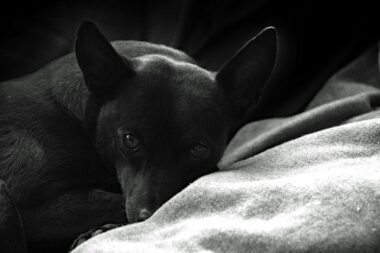
Lighting is one of the most crucial aspects of any photography, including dog photography. Without proper lighting, even the most beautifully composed photograph can appear dull or washed out. Natural light is often your best friend, especially during golden hours, which are the first hour after sunrise and the last hour before sunset. During these times, the light is warm and soft, helping to highlight your dog’s features efficiently. Avoid shooting in harsh midday sunlight, as it creates tough shadows and highlights on the dog’s fur, which can detract from your image. If you must shoot in between these times, find shaded areas or use reflective surfaces to bounce soft light onto your subject. Additionally, you may enhance low-light situations with the application of a higher ISO setting or by opening up your aperture. Just remember that this may introduce noise if set too high. Thus, mastering light manipulation greatly improves your photographs’ impact and helps ensure that your canine subjects always appear at their best.
Post-processing is another important part of dog photography, as it allows you to enhance the images taken during your shoot. While getting everything right in-camera is essential, post-processing can take the final image to a whole new level. Consider using software like Adobe Lightroom or Photoshop to adjust various aspects such as exposure, contrast, and color saturation. Common actions include sharpening the image to bring more clarity to the dog’s eyes and fur. Furthermore, you can use cropping techniques to improve composition, tightening the frame around your subject. Don’t hesitate to remove distractions in the background that may divert attention from the dog. Additionally, consider experimenting with filters that may add a creative touch while preserving the integrity of the dog’s image. The objective is to enhance the image while maintaining a natural look. Remember also to save your original files in case you would like to revert to them later. Mastering post-processing can enhance the stunning photographs you take, ultimately improving your portfolio as a dog photographer.
Final Thoughts on Dog Photography
Understanding the basics of focusing techniques is critical in dog photography, but it’s just the beginning. The combination of patience, timing, and technical knowledge is key to capturing the moments that showcase a dog’s personality. Each breed has its own quirks and behavior, making your task much more enriching. Taking the time to learn about the dogs can enhance your ability to anticipate their movements, making it easier to capture unique expressions. Getting to know your camera and experimenting with different settings will also allow you to showcase each dog’s character effectively. Additionally, having fun while shooting leads to a more relaxed atmosphere resulting in stunning and natural photos. Remember that every dog is a little different; using these techniques will help you adapt and take amazing photographs regardless of the individual characteristics of each dog. Lastly, don’t forget to share the beautiful moments you capture with the dog’s owner. They’ll appreciate the effort you made to freeze those precious memories. With time and practice, your dog photography skills will flourish, making the experience enjoyable for you and everyone involved.
In conclusion, focusing techniques in dog photography can transform your images dramatically. Key factors like aperture, shutter speed, depth of field, and lighting all play critical roles. By mastering these elements, you can tell vibrant stories through your work. Each photograph will capture the individuality and spirit of each dog more effectively. As you practice these techniques, allow yourself to experiment with various approaches, learn from opportunities, and develop your style. Lastly, remember to engage with the pets you photograph, as this enhances both your work and their experience. So gather your equipment and start practicing these tips! Capture those precious moments beautifully, and enjoy the creative process of bringing energy and emotion to life through your photographs.