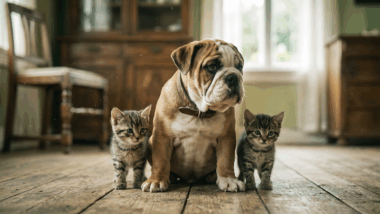

Gradual Introduction: Meeting New Pets During Kittenhood
Introducing a new pet during a kitten’s developmental stage can significantly influence their social behavior in the future. This crucial time, especially during their early months, is ideal for exposure to various experiences, including other animals. Gradually acclimating kittens to new pets allows them to develop important social skills that foster healthy relationships as they grow. It’s essential to ensure that each interaction is positive and safe, thereby preventing future behavioral issues. The right introduction process can lead to a harmonious household, where every pet feels comfortable. Gradual introductions help mitigate stress and encourage curiosity. When kittens are introduced to new pets properly, they often emerge as more confident and well-adjusted members of the family, capable of mingling with other animals. Taking the time to engage in controlled, structured introductions leads to more peaceful coexistence. Implementing gradual techniques reduces adverse encounters and allows kittens to explore their new environment. Ultimately, facilitating these introductions benefits the kitten, the new pet, and the household as a whole.
Research indicates that early socialization can profoundly impact a kitten’s temperament. Kittens naturally exhibit curiosity, exploring their surroundings to develop critical social skills. Therefore, actively engaging them with other pets can enhance their adaptability. One effective strategy involves introducing the new pet’s scent before a face-to-face meeting. This method primes kittens and makes them more comfortable. Using toys, bedding, or scents from the new pet can familiarize kittens, ensuring they associate positive experiences with future introductions. Always keep initial interactions short and sweet, focusing on encouraging positive behaviors. Gradually increasing interaction time allows both pets to adjust without overwhelming them. It’s also essential to create safe spaces where each animal can retreat if they feel anxious or threatened. Designing a shared environment requires observing the body language of both pets to ensure comfort levels. If one pet displays signs of aggression or fear, pause the introduction until their behavior improves. Patience is crucial, allowing relationships to build naturally. Strong connections between pets lead to rewarding experiences, enriching their lives while strengthening bonds.
Creating a Safe Environment
Establishing a secure environment is vital during the introduction process. Animals can pick up on their owner’s emotions, so staying calm and collected is essential. Begin by separating your kitten from the new pet for the first few days, allowing each to grow accustomed to the sights and sounds of the other’s presence. Utilizing baby gates can maintain a barrier while enabling them to see and smell each other. Gradually opening the gate or switching their spaces can enhance comfort levels. Additionally, providing safe hiding spots for both pets promotes security, enabling them to retreat when overwhelmed. Interactive play sessions can help create positive experiences, allowing for shared fun and bonding. Toys, such as feather wands or laser pointers, can engage both pets and encourage them to associate positivity with each other. Remember to reward good behavior with treats and praise, reinforcing desired actions. Setting a pattern for interactions indicates to pets that their environment remains stable and nurturing. Enhanced communication among pets fosters relationships that can lead to lifelong companionship.
Cats communicate through body language, vocalizations, and scent marking. Understanding these signals during introductions can prevent miscommunication that may lead to conflicts. Observe how the kitten and new pet react to each other. Aggressive or fearful behaviors typically indicate that the introduction needs to slow down. Using calming techniques, such as soft music or pheromone diffusers, can make the environment soothing. Introducing toys that belong to each pet can encourage curiosity. For example, toys that allow both pets to play together can ease tension and elevate the enjoyment of shared time. Watching how pets interact with toys can reveal their comfort levels. Always supervise initial interactions to ensure safety. Redirect negative behaviors immediately to deter future aggression. Patience is crucial—some pets may take longer to adjust than others. Documenting each interaction aids in identifying patterns and adjusting approaches. If conflicts arise, it may be necessary to step back and reintroduce gradually. Consistent reinforcement can lead to harmonious cohabitation, ensuring that both the kitten and the new pet thrive, benefiting all members within the household.
Setting Up Successful Playdates
Setting up structured playdates between your kitten and the new pet can enhance their relationships continuously. By organizing specific times for play, both pets learn to anticipate and enjoy each other’s company. To successfully conduct a playdate, plan activities that engage both animals simultaneously, such as puzzle toys or play tunnels. If one pet tends to be more dominant, ensure the other pet has the means to escape or retreat if situations become too intense. Choose times when both pets are active yet calm, typically during their usual play hours. Always supervise interactions, especially in the beginning stages, to guarantee safety and make necessary adjustments. Rewarding positive interaction behaviors creates associations with playtime as a task beneficial to both pets. Gradual exposure allows each pet to recognize they are friendly companions rather than threats. Another tactic involves exchanging toys between pets, which can introduce scent familiarization. Incorporating soft voice tones while engaging with both pets fosters a relaxed and inviting setting. Recognizing when pets enjoy their time together helps to build a long-term, healthy mutual friendship over time.
Handling potential challenges during these introductions is essential. Disagreements or miscommunications can be mitigated with proper techniques and patience. Using catnip as an encouragement for both pets can draw their attention towards each other in a fun way. Providing treats during positive interactions can also reinforce friendly behavior. If one pet shows signs of stress, it is important to separate them immediately and give them time apart to calm down. Continuing to allow them to experience each other’s scents through toys or bedding can help ease tensions over time. It may also be helpful to seek advice from a professional trainer or behaviorist who specializes in cat interactions if challenges persist. They can offer tailored strategies that fit your pets’ specific needs. Tracking progress with notes, such as behavioral changes, may help understand what works best in easing tensions. Remember, every pet is unique and develops relationships differently. Constant encouragement through various techniques can lead to positive outcomes, benefiting both the kitten and any new pets added to the family.
Conclusion: Lifelong Companionship
Introducing a kitten to new pets not only enriches their lives but can foster long-lasting friendships within the household. Proper socialization during kittenhood has profound effects on temperament, ensuring that pets develop into well-adjusted adults. The gradual techniques outlined throughout this guide are pivotal for success. Establishing safe environments, understanding body language, and organizing playdates can significantly influence relationship dynamics between pets. Maintaining a patient, observant approach enables pet owners to tailor introductions according to their animals’ nuances. Each interaction builds the foundation for future relationships, resulting in happier and healthier homes. Continued engagements ensure pets feel safe, secure, and socially fulfilled. Remember that the bond between pets deepens with time, so allowing patience to prevail is extremely important. While challenges may arise, the end benefits far exceed the struggles faced during introductions. Each step taken in facilitating these meetings offers unique opportunities for learning and growth. Ultimately, creating a welcoming atmosphere for kittens and new pets will lead to a vibrant, joyful household rich in companionship and love.
Incorporating all these techniques allows cats to build healthy and positive relationships. The responsibility rests on pet owners to manage introductions carefully and attentively. As time progresses, the possibility of achieving a tranquil home filled with affection is highly attainable. The exchange of experiences and emotions between dogs and cats can lead to unexpected bonds. Each animal has the capacity to teach and learn from each other, leading to incredible dynamics in shared habitats. Engaging pets in new experiences and ensuring they feel secure is an ongoing task that develops with every new encounter. Pet owners must leverage tailored strategies that consider the individual traits and behaviors of each pet for the best results. Embracing challenges as learning experiences aids in forming bonds that can last a lifetime. When patience and care manifest throughout the introduction process, lifelong companionship between pets can flourish. The joy of seeing a kitten and new pet become friends is truly rewarding, embodying the essence of pet ownership. Nurturing these relationships promises enriched lives for both pets and their owners.