
How to Repair Your Yard After Dog Digging Damage
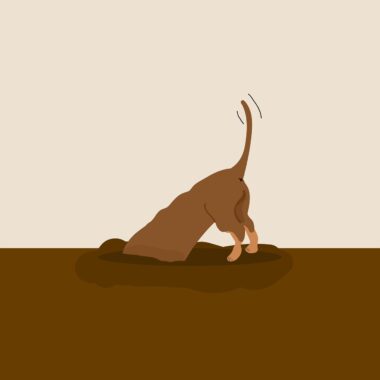
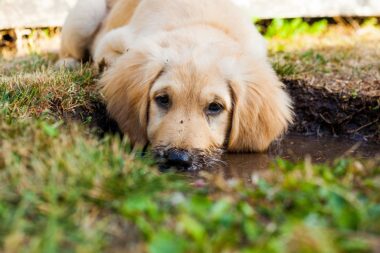
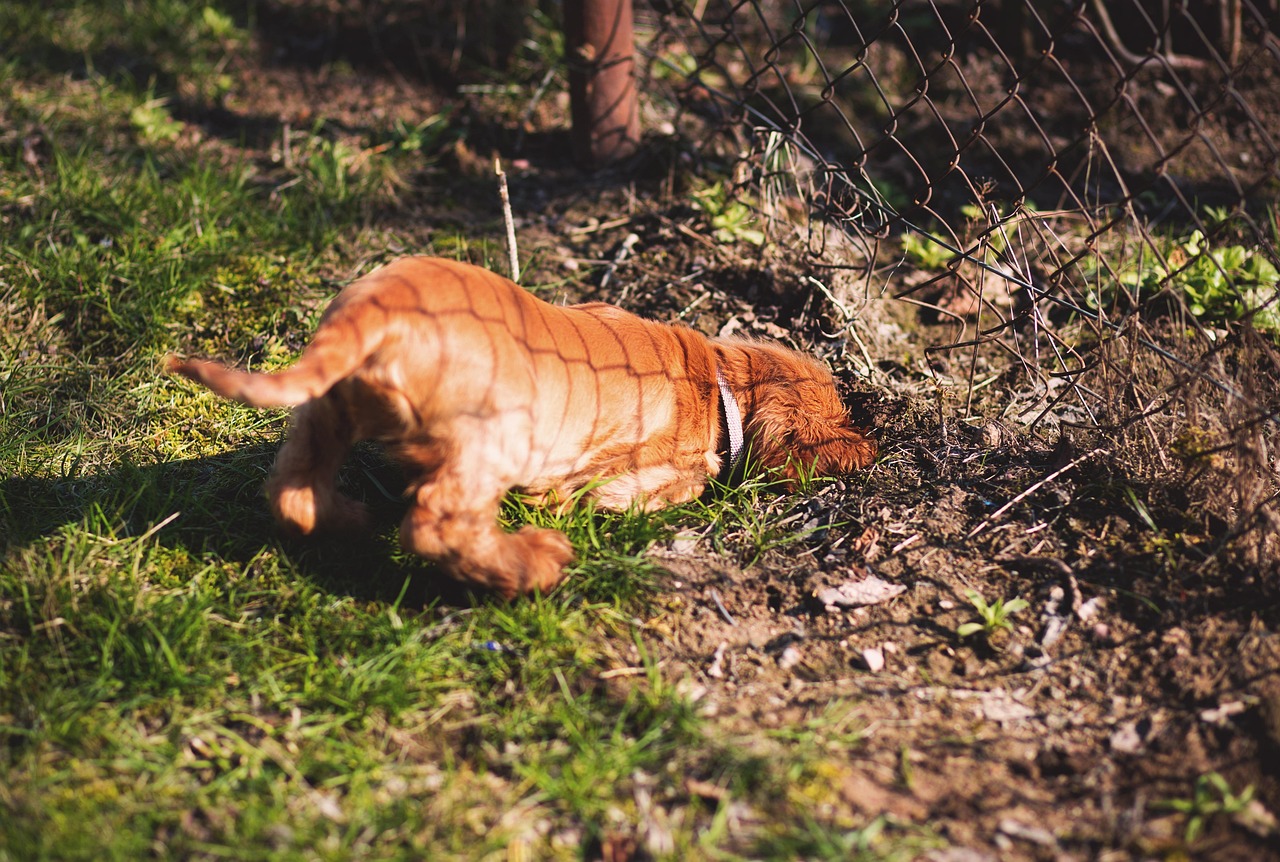
Dog digging can wreak havoc on your yard, causing unsightly holes and disrupted landscaping. To tackle this damage effectively, you must first assess the extent of the problem. Start by identifying the digging areas, as they may vary in size and depth based on your dog’s breed and behavior. After pinpointing these areas, gather the necessary tools such as soil, grass seeds, and compost. Repairing your yard after such damage typically begins with filling in the holes using compacted soil to ensure stability. Next, you should level the soil and prepare it for seeding. This is crucial, as a well-prepared surface allows for better grass growth. Additionally, consider applying a layer of compost to enrich the soil and promote healthy grass health. Water the area gently after seeding, taking care not to wash away the seeds or disturb the soil too much. Patience is key when repairing digging aftermath, as the grass may take time to grow back. Lastly, maintaining proper lawn care will help prevent future digging issues while promoting a lush and healthy yard that enhances your property’s aesthetics.
Once you have restored the soil and planted grass seeds, the next phase involves nurturing the new growth. Regularly watering the area is crucial, especially in the early stages as the seeds germinate. Aim for keeping the top layer of soil consistently moist without overwatering, which can lead to other complications like root rot. To facilitate growth, consider employing a light mulch cover, as this protects the seeds from birds and provides a microclimate that supports germination. As the grass begins to sprout, adjust your watering schedule to ensure that it develops strong roots. Observing local weather forecasts can help you determine the appropriate adjustments in your watering routine. Besides watering, a balanced fertilizer may boost growth, especially if your yard’s soil quality is less than ideal. Timing and application are essential; follow the instructions to avoid scorching the young grass. As the grass grows, resist the urge to mow until it reaches the appropriate height, which encourages thick and healthy growth. This will not only improve your yard’s appearance but also provide a more resilient lawn capable of withstanding future digging.
Controlling Future Digging Behavior
After addressing the damage caused by your dog’s digging, it is critical to take preemptive measures to dissuade this behavior in the future. Begin by identifying the causes of the digging, as factors like boredom, anxiety, or seeking a cooler spot can trigger this action. Providing adequate physical and mental stimulation can significantly help. Engage your dog with toys, daily exercise, and training sessions to keep them active and entertained. Creating a designated digging zone can also be beneficial, allowing dogs to dig without causing damage to your landscaped areas. Planting dog-friendly grass or utilizing a sandbox filled with soft soil can redirect the digging urge to acceptable behavior. Additionally, consider providing shade or cooling areas in the yard, especially during hot months, to entice your dog to relax rather than dig. When catching your dog in the act of digging in inappropriate areas, redirect them gently but firmly to the designated digging zone. Consistency in behavior modification efforts will pay off significantly over time, leading to a more peaceful environment for both you and your pets.
Observation plays a vital role in modifying your dog’s digging habits. Keeping track of when and where your dog digs can help pinpoint triggers and patterns underlying this behavior. It may be useful to maintain a diary to document these observations, noting the time of day, weather conditions, and any specific events occurring right before the digging begins. Such detailed records can reveal whether particular stimuli, like the presence of other animals or boredom, are influencing your dog to dig. Once triggers are identified, you can craft a targeted strategy to help alleviate their digging behavior effectively. For instance, if stress from loneliness leads to digging, consider companionship through playdates or another pet. In contrast, if their digging occurs primarily during unsupervised time, it might be beneficial to confine your dog to a specific area where they can feel safe yet secure. Of course, rewarding positive behavior with praise or treats encourages your dog to steer clear of undesirable habits. Making adjustments based on the insights you gather can significantly improve both your yard’s condition and your dog’s happiness.
Utilizing Landscape Features
In addition to behavioral tactics, you can improve the aesthetics of your repair efforts by incorporating landscape features that deter digging while enhancing the yard’s beauty. Installing raised beds or decorative stones may provide barriers that discourage dogs from digging in these areas. This will not only safeguard your plants but also create visually appealing focal points within your garden. Consider using plants with textures that dogs generally avoid, such as thorny bushes or prickly plants, to create natural barriers around sensitive landscaping. Additionally, hardscaping elements like paths or patios can act as physical boundaries that limit possible digging areas. Engaging professional landscapers or DIY enthusiasts to help design unique features can make your yard more resilient to damage. Furthermore, employing a variety of ground covers can help by providing surfaces that are less conducive to digging. Generating a multi-layered environment within your yard can stimulate your dog’s curiosity in positive ways while maintaining overall aesthetics. These features will contribute greatly to your yard’s durability against future canine excavations.
Maintaining a healthy, thriving yard means every pet owner must become proactive. Regular upkeep of your landscaping through scheduled care will ensure any areas prone to digging are fortified. Offering regular training and exercising will keep your dog physically and mentally engaged, minimizing digging urges. Making your yard an inviting space with diverse landscaping, proper grass care, and interesting features is key. Engaging your dog in different activities, whether through training or playfulness, will enrich their lives while simultaneously protecting your landscape. Patience is essential during repair processes as nurturing new grasses or flowers takes time and care. Establishing boundaries regarding dig zones combined with rewarding good behavior promotes a positive relationship with your dog. When everyone knows the rules, they can begin to feel safe and settle into their boundaries. Even with well-laid plans, some adventures into digging may occur, and addressing them promptly with empathy and redirection goes a long way. Happy pet owners with well-cared-for yards create a cohesive environment where pets thrive and owners take pride in maintaining their properties. Ultimately, each experience presents an opportunity for growth.
In conclusion, repairing your yard after dog digging damage requires a blend of practical actions and attentive care. You will address the visible damage and provide ongoing management to minimize future issues. Understanding the reasons behind your dog’s digging behavior equips you to implement effective countermeasures. Regular exercise, engaging toys, and effective training can significantly curtail their urge to dig. Equally, adopting innovative landscape features can provide beauty while acting as deterrents. Gauge and observe the dynamics of your yard regularly, adjusting care and boundaries as needed. If you feel overwhelmed, don’t hesitate to consult professionals for guidance. They can assist in choosing the right plants or landscape designs suitable for a dog-friendly environment. Remember to celebrate the small victories in your yard repairing journey; each successful step contributes to a more harmonious living space. Your yard can be both a playground for your dog and an aesthetic part of your home. With consistent efforts, your yard can thrive post-digging, ultimately enhancing the bond between you and your canine friend.
Visual representation can inspire better design decisions and highlight potential areas to explore further. Utilize inspiration from design blogs, Pinterest, and other platforms to find examples of dog-friendly landscapes. Planning further renovations around pet behavior enhances interactions and creates appealing outdoor spaces. Over time, a blend of your efforts will promote a yard that successfully meets your dog’s needs and your aesthetic preferences. The process requires patience; however, the rewards of having a functional and beautiful outdoor space make these efforts worthwhile. With dedication to improving your yard’s condition, you’ll have a tranquil space where digging won’t disrupt your peace. Establish a routine that includes yard observation, care, and encouragement, leading to lasting change. Each positive change supports owners in achieving practical landscapes while also meeting their dogs’ desires for engagement and exploration. After all, promoting a healthy relationship between your canine companion and your outdoor space enhances your enjoyment and promotes harmony in your life.