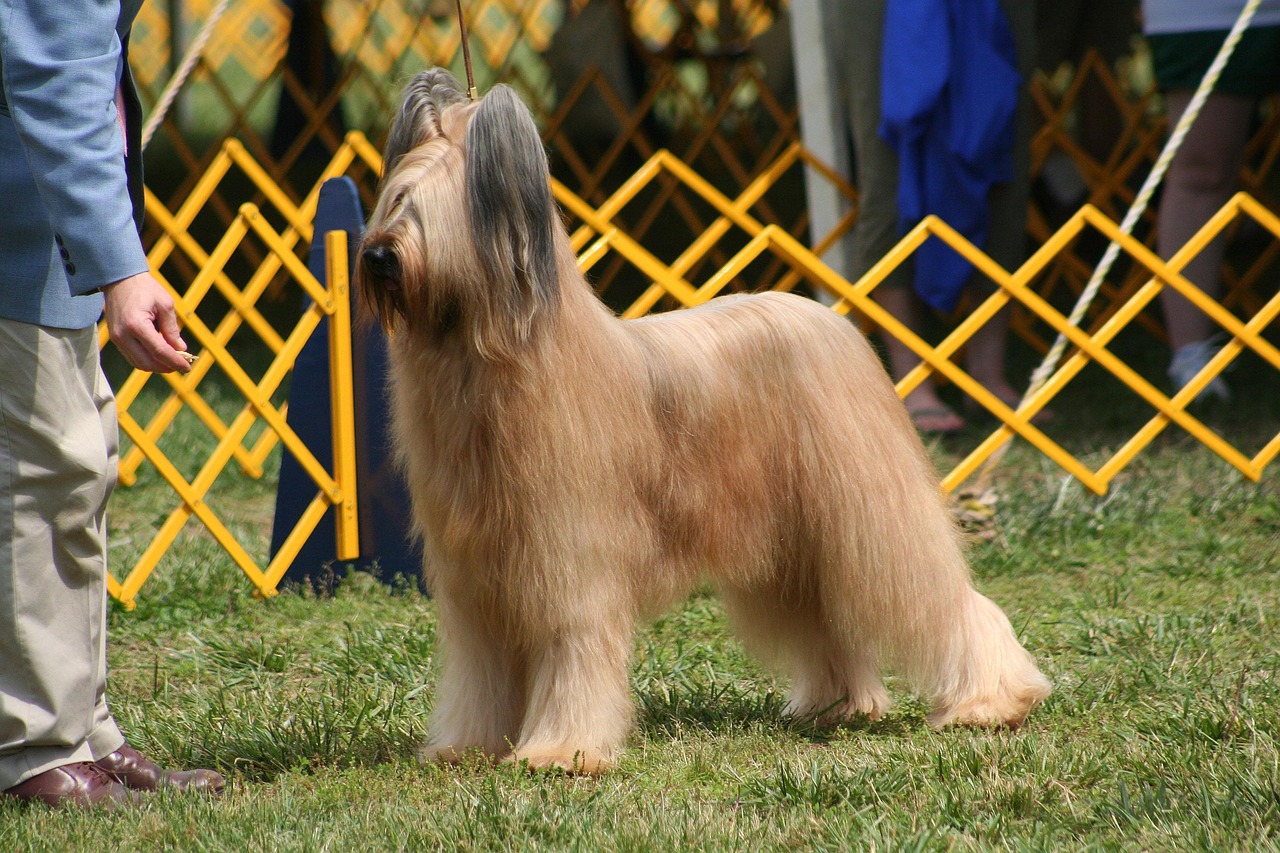

The Origins of Dog Shows: An Overview of Early Canine Exhibitions
Dog shows have a rich history that dates back centuries, accompanying the evolution of dog breeds. The earliest documented dog shows occurred in the late 19th century, and they were influenced by earlier canine exhibitions. These events were initially organized to showcase working dogs, emphasizing function over form. Different breeds were displayed in competitions where judges assessed their physical attributes, temperament, and abilities. Over time, the concept evolved, and breeds began to be judged primarily on adherence to breed standards. This occurred predominantly in England and set the stage for the establishment of formal dog shows. The first recognized dog show was held in London in 1859, which featured various breeds demonstrating their characteristics. Dog enthusiasts quickly realized the importance of these events in promoting purebred dogs. As the hobby grew, more associations formed to govern and regulate dog shows. The Kennel Club, established in England, played a vital role in standardizing competitions and maintaining breed purity. Thus, these early exhibitions became a pivotal part of canine culture, shaping the future of dog shows and dog breeding practices around the world.
The Role of Breeders in the Early Dog Show Scene
Breeders were crucial in the early days of dog shows, acting as promoters of their respective breeds. As dog shows began to emerge, breeders started to recognize the benefits of competing their dogs in public exhibitions. This not only elevated their status but also encouraged the breeding of dogs that met specific standards. Judging criteria were established, leading to an increase in planned breeding practices. This period saw many breeders forming clubs dedicated to their breeds, working together to develop and uphold standards. This collaboration within the breeding community fostered healthy competition among breeders. They sought to improve their dogs, enhancing traits such as coat quality, temperament, and overall health. These developments fueled the popularity of dog shows as public interest grew. Additionally, breeders began specializing in specific breeds, leading to the establishment of unique breed identities. No longer focused solely on functionality, breeders strived to create dogs that appealed in exhibitions. Dog shows became venues for breeders to showcase their achievements, establishing a legacy. To this day, breeders remain integral to the success and evolution of dog shows, continuing this long-standing tradition of canine excellence.
Throughout the late 19th century, dog shows became increasingly organized and widespread. Major cities across Europe began hosting competitions, attracting dog lovers and breeders alike. The rise of dog shows coincided with the Victorian Era, which emphasized breeding purity and pedigree. Victorian ideals also extended to dogs; they were seen as status symbols among the affluent. High society families often owned purebred pets, and competing in dog shows became a fashionable pastime. These social events drew large crowds, enhancing the popularity of canine exhibitions. Enthusiasts traveled great distances to attend, showcasing their prized dogs to a captivated audience. The impact of these early dog shows on society was profound. Newspapers began covering events, reporting results and featured breeds. This media exposure fostered public interest in dog ownership. Furthermore, dog shows encouraged owners to learn about breeding practices, breed standards, and the care of dogs. Exhibiting dogs at shows prompted owners to invest more time and resources into training and grooming. As a result, dog shows began to alter public perception of dogs, shifting them from mere working animals to valued companions and prestigious members of the family.
The Establishment of Formal Canine Clubs
As dog shows gained traction, the establishment of formal canine clubs became essential. These organizations provided guidelines and structure to the burgeoning dog show scene. In 1873, the American Kennel Club (AKC) was founded, serving as a regulatory body and standardizing competitions. Similar organizations formed in other countries, creating a global framework for dog shows. Clubs established rules regarding breed standards, entry requirements, and judging processes. This was a significant development, ensuring consistency and fairness in competitions. Breeders and owners sought to align their practices with the standards set by these clubs, fostering an environment of quality and excellence. Clubs also played a vital role in promoting education among dog owners, offering resources on grooming, training, and responsible breeding. Canine clubs began hosting their events, further expanding the popularity of dog shows. They attracted larger audiences as structured competitions showcased various breeds and their unique traits. In turn, this fostered a sense of community among dog fanciers. The legacy of these clubs continues today, influencing the modern dog show landscape. Among other contributions, they remain instrumental in advocating for responsible pet ownership and breed preservation.
By the early 20th century, dog shows had evolved significantly and were now prominent events attracting international attention. Advances in communication and travel made it easier for breeders and dog owners to participate in shows worldwide. The growing influence of media further propelled dog shows into the limelight, with films and magazines dedicated to showcasing canine culture. Televised dog shows emerged, allowing audiences to witness the spectacle of competition from their homes, broadening the appeal even more. The participation of popular breeds, such as the Bulldog and the Golden Retriever, increased, leading to further interest in breeding these types of dogs. Exhibitions also began to include diverse categories, recognizing not just purebreds but mixed breeds and unique variations. As dog shows continued to gain popularity, public awareness relating to dog welfare, training, and responsible ownership also expanded. This increased understanding helped address issues regarding breeding practices. Judges developed a keen eye for recognizing the outstanding attributes of various breeds. The increase in judges’ expertise contributed to the credibility of dog shows, elevating them to a respected form of competition within the dog-loving community.
The Impact of Globalization on Dog Shows
Globalization in the late 20th century had significant effects on dog shows, further transforming their landscape. With more international participation, cultural exchanges facilitated the sharing of breeding techniques, promoting quality improvements. Breeds from various countries started to gain recognition, enriching the diversity showcased at competitions. However, this also sparked debates surrounding breed standards and ethical breeding practices. As international standards emerged, breed clubs faced pressure to adapt while preserving unique characteristics. Concerns over health issues associated with selective breeding began to influence show organizations. Increased awareness led to calls for healthier breeding practices and the evaluation of breeds based on well-being and functionality. Dog shows began implementing changes, introducing health tests and evaluations to ensure the welfare of participating dogs. This focus on health coincided with a shift in public perception. Canine enthusiasts began advocating for responsible breeding, prioritizing the overall quality of life for dogs over traditional ideals of aesthetics. In response to these challenges, dog shows evolved, emphasizing not strictly appearance, but also health and temperament. The interconnectedness of dog culture fostered by globalization helped promote a deeper understanding of dogs and shaped the future of canine exhibitions.
Today, dog shows stand as vibrant celebrations of canine companionship, showcasing a diverse array of breeds around the world. These events not only highlight the human-animal bond but also serve as platforms for education and advocacy. Modern shows emphasize the importance of responsible pet ownership, awareness of health issues, and the promotion of humane breeding practices. They continue to attract enormous crowds, with spectators fascinated by the beauty and intelligence of the competitors. Dog shows are also adapting to new trends, with agility and obedience competitions highlighting a broader range of canine abilities beyond aesthetics. The role of technology has brought significant advancements as well, including online entry systems, live streaming of events, and social media engagement for audiences. By embracing innovation, dog shows reach new audiences while maintaining their historical roots. As these competitions evolve, they will continue to reflect societal values, highlighting the importance of companionship, responsible breeding, and lifelong commitment between dogs and their owners. The legacy of early canine exhibitions remains an integral part of this journey, celebrating the enduring relationship between humans and their canine companions through generations.
In conclusion, the history of dog shows highlights a fascinating journey marked by transformation and development. From humble beginnings focused primarily on working dogs to a phenomenon that now celebrates breeds from across the globe, dog shows have changed significantly. They have influenced breeding practices and shifted societal perceptions of dogs from mere property to valued family members. The established clubs and associations have played a pivotal role in this evolution, with dedicated breeders and owners driving the quest for excellence in their dogs. The impact of globalization and technology has further introduced complexities and challenges, leading to increased awareness of health and ethical issues. As dog shows look toward the future, they must balance tradition with progressive values that prioritize the welfare of the dogs. Consequently, the journey of dog shows continues to inspire, educate, and bring joy to countless individuals worldwide. These exhibitions promise to remain important, celebrating the bonds between people and their beloved pets for years to come. Through the ongoing commitment of the global dog community, the legacy of early canine exhibitions endures, ensuring a brighter and more compassionate future for all dogs.