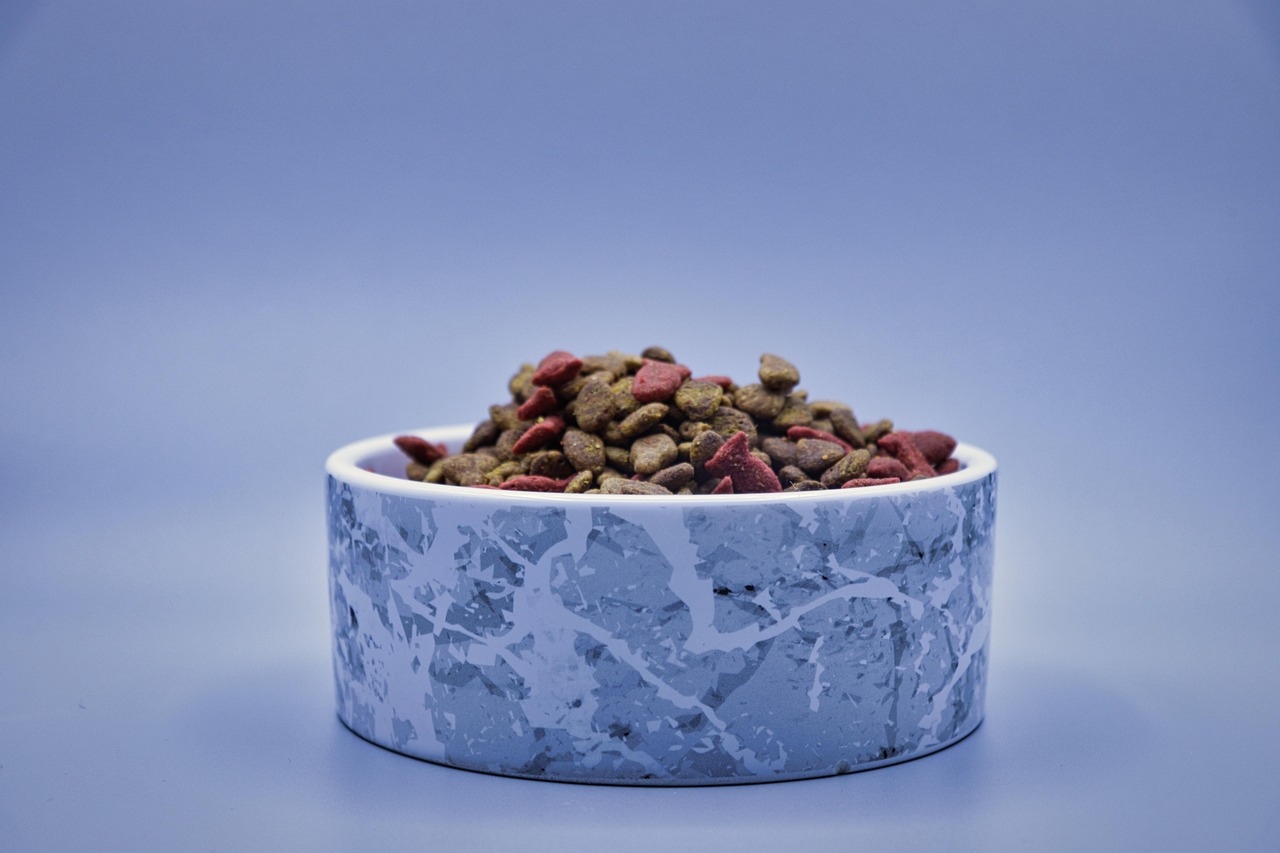

How Often Should You Replace Your Cat’s Feeding Bowls?
Maintaining your cat’s feeding bowls is essential for their health and well-being. Over time, bowls can accumulate bacteria, scratches, and other contaminants that may pose a risk to your pet. It’s important to establish a routine to check the condition of these items. Typically, stainless steel or ceramic bowls last longer than plastic varieties, which often become scratched and harbor bacteria. When evaluating replacement times, consider factors such as the frequency of use, your cleaning regimen, and the material. For instance, if you notice discoloration or cracks, it’s time for a replacement. Additionally, some pet owners opt for keeping multiple sets to facilitate ease of cleaning. Regularly replacing bowls can help encourage your cat to maintain good eating habits. In this article, we will discuss when and how frequently you should replace your cat’s feeding bowls for optimal health outcomes. Pay close attention to signs of wear, and engage with your veterinarian if you have concerns. This proactive approach can ultimately lead to a happier and healthier companion, ensuring they thrive in a clean environment.
Signs It’s Time to Replace Bowls
Certain indicators can help you determine if your cat’s feeding bowls need replacing. Firstly, check for any visible signs of damage. Scratches and cracks not only accumulate bacteria but can also irritate your cat’s sensitive mouth. If you notice any chips or sharp edges, it’s important to replace the bowl immediately. Furthermore, pay attention to the material of the bowl. Plastic bowls often degrade faster than stainless steel or ceramic options. As plastic bowls age, they may develop an odor or discoloration that is not easily cleaned. Additionally, if you notice any peculiar reactions from your cat, such as gastrointestinal issues, it may be time to evaluate their feeding setup. Regularly cleaning and sanitizing your bowls is crucial, but over time, normal wear and tear take a toll. Replace them as necessary to maintain a healthy eating environment. Lastly, remember that your cat’s health is a top priority. If it’s unsafe to use a specific bowl, replacing it ensures both safety and hygiene while protecting your furry friend.
Hygiene plays an important role in your cat’s feeding bowls. Food residue and bacteria can build up over time, potentially leading to health issues. To ensure optimal hygiene, it’s recommended to wash feeding bowls daily. Utilizing a dishwasher can simplify this process, but ensure your bowls are dishwasher-safe. Additionally, regularly inspecting your bowls for signs of wear is vital. Replace bowls that become discolored or damaged, as they may harbor bacteria even after cleaning. When purchasing new bowls, consider materials that are easy to clean. Stainless steel is a popular choice due to its durability and resistance to scratching. Some cat owners prefer ceramic bowls for aesthetic reasons, but they must be handled with care. For those who travel, consider portable options designed specifically for on-the-go feeding. These bowls can be a convenient solution for keeping your cat healthy while maintaining cleanliness. Always prioritize hygiene in your pet’s feeding station and regularly check their bowls to ensure they’re in optimal condition. This practice safeguards not only your cat’s food but also their overall health and well-being.
In addition to hygiene, consider the size and shape of your cat’s feeding bowls. A proper fit is crucial to encourage healthy eating behaviors. Bowls that are too deep may frustrate your cat, leading to less frequent meals. Conversely, overly shallow bowls can be easily tipped over, causing messes or food waste. Moreover, particularly for long-haired breeds, ensure that the bowl design allows for comfortable eating without food getting caught in their fur. When choosing a new bowl, look for designs that fit your cat’s specific needs, promote easy access, and reduce mess. Keep in mind that feeding preferences vary among cats, so experimentation may be required before finding the ideal solution. Design considerations can greatly enhance your pet’s feeding experience, leading to better eating habits and overall satisfaction. Assess the age and agility of your cat; older or disabled cats may benefit from elevated or shallow bowls. Likewise, kittens will require smaller options that fit their unique needs as they grow. Take the time to find the perfect bowl configuration for your feline friend.
Types of Bowl Materials
Understanding the different materials available for cat feeding bowls is essential in making the right choice. Stainless steel is highly durable and resistant to bacteria growth, making it an excellent option for many pet owners. Ceramics are often visually appealing and can be easier to clean; however, ensure they are lead-free to ensure safety. Plastic bowls are lightweight and inexpensive but should be replaced regularly due to wear and tear. Keep in mind that some cats can develop sensitivities or allergic reactions to certain materials, specifically plastics. If your cat experiences any unusual symptoms, consider switching to a different bowl material. Furthermore, avoid using bowls with intricate designs or patterns that may trap food particles and bacteria. Instead, select smooth and simple designs for optimal hygiene. If you are considering customizing your cat’s feeding accessories, ceramic bowls can be personalized without compromising health. Make sure to check that any custom paint or finish used is safe for animals. Understanding these material options will ensure you choose a healthy and safe feeding setup for your beloved pet.
The frequency of replacing cat feeding bowls can vary based on usage and the material. On average, stainless steel bowls can last an entire year with proper care while maintaining aesthetic appeal. Ceramic bowls should be replaced any time they become chipped or cracked, as damage makes them susceptible to bacteria growth. Plastic bowls, being the least durable option, should ideally be replaced every few months, especially if visible wear is apparent. If you have multiple pets sharing bowls, keep in mind that wear may occur more rapidly. This scenario increases the risk of cross-contamination if bowls are not cleaned often. Establishing a regular replacement schedule based on the material and frequency of use will help keep your pet healthy. For optimal hygiene, align your routine cleaning efforts with your bowl replacement schedule. Replace each bowl as needed while maintaining a regular cleaning routine to eliminate any food residue. Investing time in bowl care leads to a cleaner and more enjoyable feeding experience for your furry family member.
Conclusion
Replacing your cat’s feeding bowls is an essential part of pet care. Regular inspections and timely replacements ensure optimal hygiene and safe eating conditions. Keep an eye on signs of wear and damage, and adjust your replacement schedule based on the material of the bowl. Understanding the factors that influence bowl longevity, including hygiene and usage rate, will inform your decisions effectively. Select high-quality materials that promote health, safety, and usability. As a responsible cat owner, you’re providing a better quality of life. Make it a habit to inspect and replace your cat’s feeding bowls regularly, ensuring they have a clean and safe environment to thrive. This simple yet essential task can significantly impact your cat’s health and happiness.
By maintaining clean and safe feeding bowls, you not only promote your cat’s health but also their happiness. A clean feeding environment can drastically reduce the risk of gastrointestinal issues and ensure healthier eating habits. In conclusion, stay proactive by regularly evaluating the condition of your cat’s bowls and replacing them as needed. This frequency will vary depending on your choice of materials, the wear and tear observed, and how many furry friends share those bowls. By staying vigilant and attentive to your cat’s needs, you’re not just supplying essential nutrients and sustenance. You’re also creating a safe, clean haven for your feline friend to enjoy every meal. Invest in high-quality bowls that suit your pet’s specific needs, and prioritize replacing them when necessary for optimal health. Remember that a watchful owner helps their pet thrive in a healthy environment.