
Tick Life Cycle: Protecting Your Dog from Tick-Borne Diseases
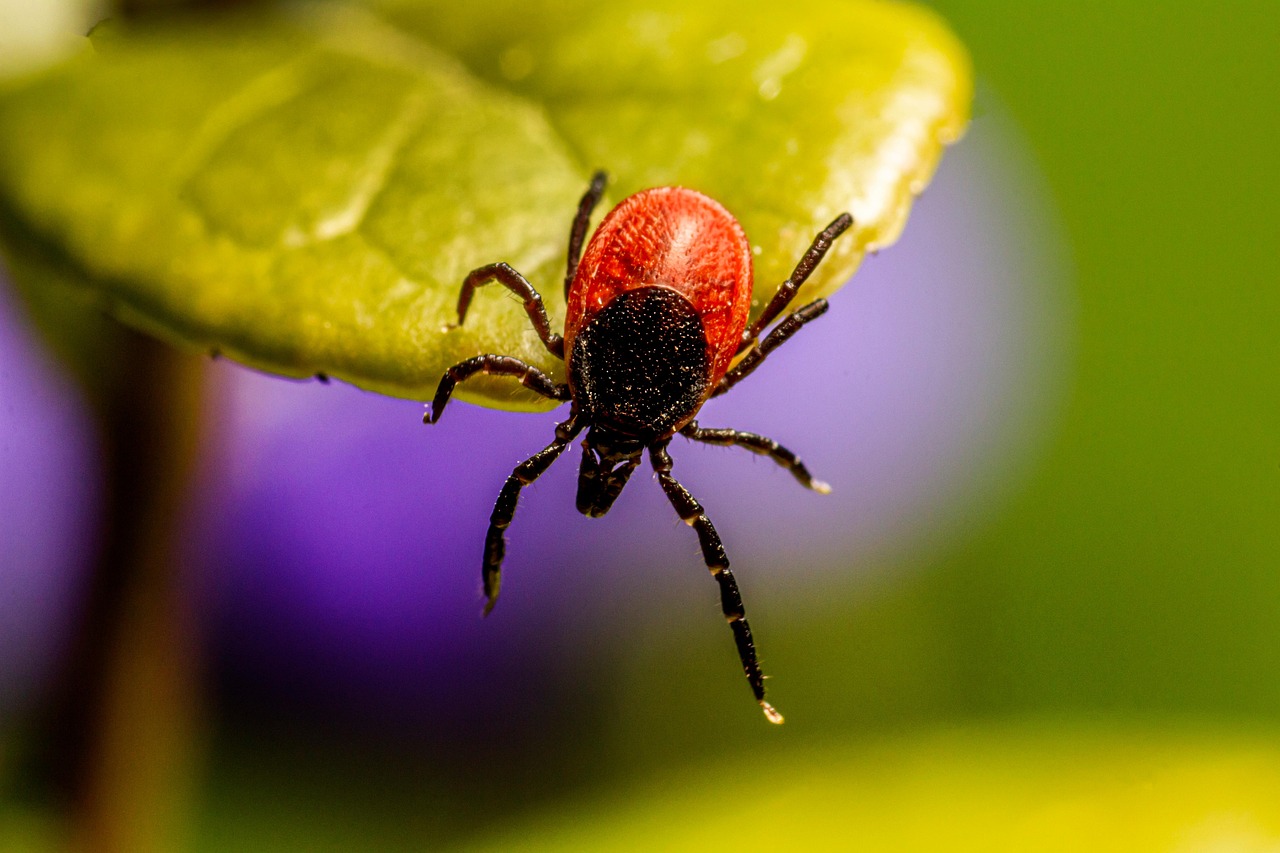
Understanding the tick life cycle is crucial for protecting your dog from tick-borne diseases. Ticks undergo different stages in their life cycle, including eggs, larva, nymph, and adult. The process begins when female ticks lay hundreds to thousands of eggs in a suitable environment. These eggs hatch into larvae, which emerge seeking their first blood meal. They typically feed on small animals, such as mice or birds. Intestinally, the larvae absorb pathogens, like Lyme disease bacteria. After feeding, the larvae detach and molt into nymphs. Nymphs also require blood meals and can transmit diseases during these feedings. They feed on various hosts, including dogs, which may carry dangerous infections. Following their blood meal, the nymphs grow into adults. Adult ticks are larger and more recognizable, especially female ticks, which also need to feed before laying eggs. To effectively combat this lifecycle, pet owners should regularly check for ticks. Regular grooming, utilizing preventive treatments, and maintaining cleanliness in the dog’s environment can significantly reduce the risk of tick infestation and subsequent tick-borne diseases in dogs.
The tick life cycle consists of four major stages: egg, larva, nymph, and adult. Each stage plays a significant role in the tick’s development and the potential to transmit diseases. Eggs are laid in the environment, generally in grassy or wooded areas. Once the eggs hatch, they become larvae, which emerge hungry and search for hosts. During this first stage, they usually latch onto small mammals for their necessary blood meal. After feeding, larvae mature into nymphs, which are a critical stage of transmission. Nymphs can bite not only other small animals but dogs as well. This is when Lyme disease, Rocky Mountain spotted fever, and other pathogens can be introduced to the pet. After feeding, nymphs develop into adults, capable of reproducing. Adult ticks tend to increase their host range and can attach to larger animals. This stage is most dangerous, as adult ticks are more likely to transmit diseases. Understanding each phase of the tick life cycle and how it translates to risk can empower pet owners to take proper preventive measures against tick infestations.
Understanding Symptoms of Tick-Borne Diseases
It can be challenging for pet owners to recognize signs of tick-borne illness in dogs since symptoms may vary widely. Common early signs that could indicate a problem include lethargy, lack of appetite, and fever, which may seem nonspecific at first glance. Unlike common cold symptoms, these signs can develop subtly. As the disease progresses, more severe symptoms may appear, such as joint swelling, limping, or difficulty in movement. Additionally, neurological symptoms, like seizures or unsteadiness, can manifest if the disease worsens. Many pet owners might misdiagnose these symptoms or assume their pet has merely sprained a leg. Tick-borne diseases often require several tests for accurate diagnosis. Therefore, it’s essential to consult a veterinarian if any of these symptoms appear. Early detection is crucial for prompt treatment. Delays can lead to severe health issues or even fatality in some cases. Your dog’s health greatly depends on recognizing these symptoms early. Regular veterinary check-ups, along with preventive measures against tick exposure, form a reliable strategy to ensure your dog’s well-being and protection against tick-related illnesses.
Environmental factors greatly influence the tick population and their life cycles. Ticks thrive in humid, wooded areas, making these locations prime for tick infestations. Education around these environmental influences is vital, especially for dog owners who enjoy outdoor activities. Grasslands, forests, and even backyard gardens can harbor ticks, which are often found on tall grass or shrubs waiting for a host. Additionally, understanding the seasonal patterns of tick activity can help in planning outdoor excursions for your pet. Tick populations surge during warmer months, especially in spring and summer. During these times, pet owners should be particularly vigilant about tick prevention strategies. Utilizing preventive treatments on your dog can significantly lower the risk of infestation. Along with treatments, regularly checking your dog’s fur and skin after outdoor activities can help catch any ticks before they attach. Routine grooming not only serves to detect ticks but also keeps your dog’s coat healthy. Maintaining your yard by regularly mowing grass and eliminating debris can also diminish tick habitats. It’s a combination of understanding environmental factors and proactive measures that will contribute to effective tick control.
Prevention Strategies for Tick Management
Preventive strategies are vital to reducing the risk of tick infestations in dogs. Firstly, applying veterinarian-recommended tick prevention products is essential. These come in various forms such as topical treatments, collars, or oral medications. Each product has specific benefits and may differ in effectiveness. It’s critical to choose a product suitable for your dog’s age, weight, and general health condition. Apart from treatments, regularly inspecting your pet, especially after outdoor activities, can help in early tick detection. This involves looking through fur and examining areas like between toes and under the legs. Bathing your dog frequently can also help to remove any ticks that may have recently latched onto them. If you find a tick, proper removal is important. Use fine-point tweezers to grasp the tick as close to the skin as possible, pulling straight out without twisting. After removal, clean the area thoroughly and monitor your dog for signs of illness. Always consult your veterinarian for advice on the best preventive strategies for your specific situation, ensuring both you and your pet enjoy outdoor activities safely.
When it comes to identifying and managing tick infestations in dogs, understanding their behavior is essential. Ticks are opportunistic feeders that attach themselves to hosts as they brush against vegetation. Their ability to sense warmth, breath, and carbon dioxide helps them find potential hosts effectively. To mitigate risks, it’s essential to keep your dog away from dense vegetation and tall grasses during walks. Creating a designated play area in your yard can minimize contact with tick-infested spaces. Furthermore, keeping the grass cut short and routinely clearing away debris in your yard is helpful. This reduces potential tick habitats. Dog parks and other communal spaces can represent a risk, so monitoring your pet closely during visits can help catch any ticks before they attach. Always consider doing a thorough tick check upon returning home. Regularly investing time in educating oneself about tick behavior helps significantly. Knowledge of their habits gives pet owners an upper hand in developing effective and strategic tick management practices. Ultimately, understanding ticks empowers pet parents to keep their dogs safe from these parasites.
The Importance of Regular Veterinary Care
Regular veterinary care is crucial for your dog’s health, especially concerning tick-borne diseases. Veterinarians possess the knowledge to diagnose potential tick infestations and advise on effective prevention methods. During routine check-ups, vets can conduct thorough examinations for ticks and other parasites. They can screen for signs of tick-borne diseases and provide timely treatment if needed. Regular blood tests can help identify illnesses that have been contracted through tick bites, even before symptoms become apparent. It’s advisable for dog owners to keep vaccination schedules up to date as a preventative measure against common tick-related diseases. By maintaining good communication with your veterinarian and adhering to regular health check-ups, you’ll ensure your dog receives optimal protection. Consider discussing your environment and lifestyle during visits so that vets can tailor prevention plans that cater to your dog’s specific needs. This proactive approach not only supports your dog’s health but also leads to overall better management of any tick problems. Thus, ongoing veterinary care is one of the most effective strategies for keeping your dog safe from tick-borne diseases.
In summary, educating oneself about tick life cycles enables dog owners to implement effective prevention strategies. By understanding how ticks develop and their feeding behaviors, pet owners will be better prepared to protect their furry friends from potential harm. Tick-borne diseases can cause significant health issues in dogs, so awareness and vigilance are important for effective management. Regularly applying preventive treatments, performing thorough tick checks, and maintaining a clean environment can significantly decrease the risk of infestation. Incorporating routine veterinary visits into your dog’s care plan helps ensure their well-being against tick exposure. Personal education and ongoing consultation with professionals can arm owners with the tools needed for comprehensive tick control. The information regarding ticks, their life cycle, and management practices is not only beneficial but critical for maintaining your dog’s health. Consider sharing your learning with fellow pet owners, fostering better community awareness on tick prevention and management. Together, we can create a safer environment for our pets, ensuring they remain healthy and free of tick-borne illnesses as they enjoy their lives by our sides.