
The Science Behind Dog Training Whistles and Dog Hearing
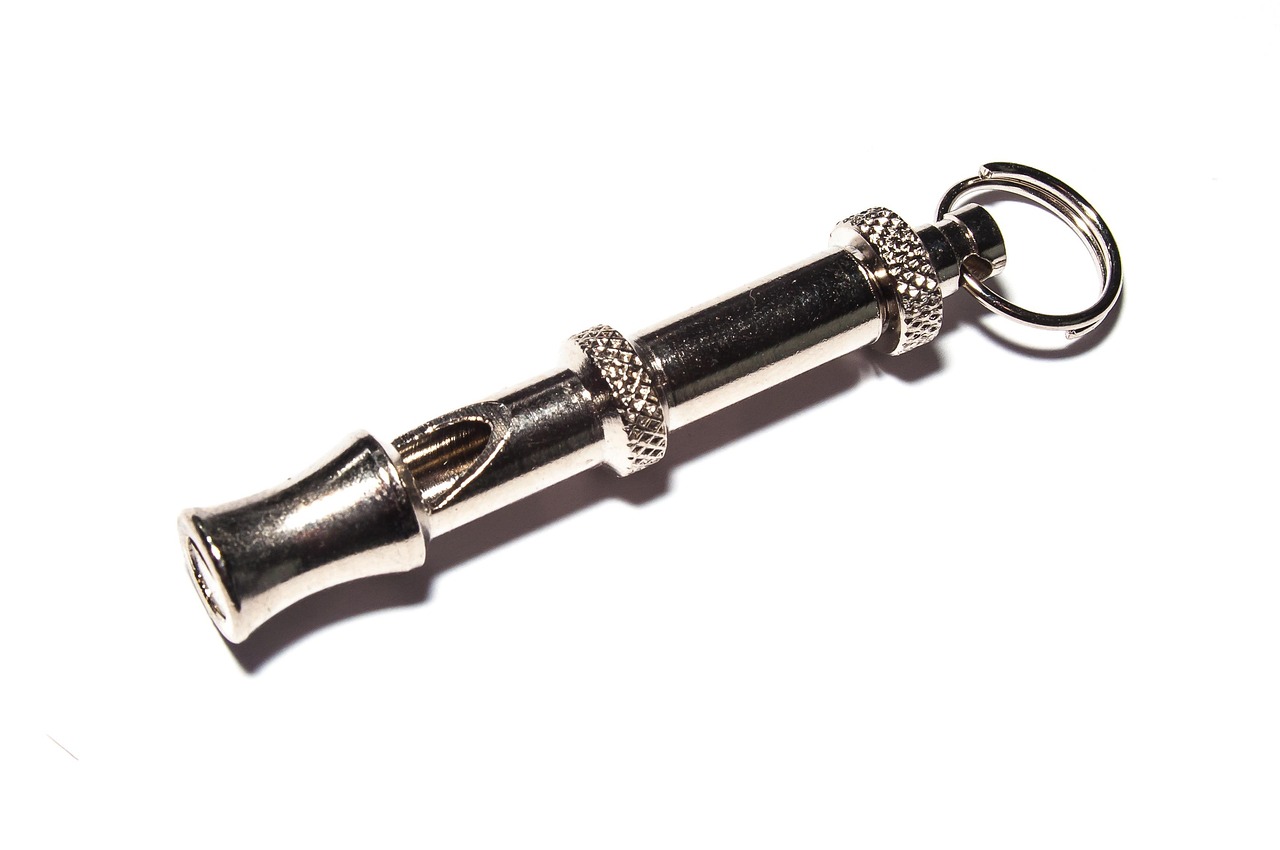
Dog training whistles are specialized tools used by trainers to communicate with dogs over long distances. They provide a high-frequency sound that most humans cannot hear, as it is designed to capture a dog’s attention effectively. The sound emitted by these whistles is very distinct, allowing for commands to be given in various environments. This can be particularly helpful when working with sporting or hunting dogs, where silence is essential for tracking. Additionally, training with whistles allows for consistency in commands, which is crucial for successful learning. Dogs hear sounds at a frequency of 40,000 Hz to 60,000 Hz, far more than the human range. This makes whistles an effective training device. Each command given through a whistle may be associated with a specific action or behavior. Trainers can teach a range of commands, from basic obedience to complex tasks. The science behind this involves the principles of operant conditioning, where positive reinforcement plays a crucial role. Dogs are more likely to respond positively when they understand the command consistently. Thus, incorporating whistles into training can enhance communication and obedience.
Understanding how a dog perceives sounds is essential for effective training. The canine auditory system is highly developed, enabling them to hear higher frequencies than humans. While we perceive sound up to 20,000 Hz, dogs can detect frequencies up to 65,000 Hz. This heightened hearing ability allows dogs to respond promptly to a variety of sounds, making training perhaps easier. Dog training whistles take advantage of this capability, producing frequencies that capture a dog’s attention instantly. For various dog breeds like beagles or hounds, this ability to hear better can be advantageous in tracking scents or responding to commands. Furthermore, differentiating between high-pitched and low sounds helps dogs interpret the urgency or importance of a command. When using training whistles, it is crucial to use consistent tones for specific commands, reinforcing the dog’s learning. Dogs often learn to associate the whistle sound with desired behaviors, leading to more effective training sessions. This method not only improves communication but establishes a stronger bond between the dog and trainer. Reinforcement through treats or praise in conjunction can further solidify learning, enhancing the overall training experience.
Benefits of Using Dog Training Whistles
There are numerous benefits to using dog training whistles compared to traditional verbal commands. One major advantage is the ability of the whistle to cut through distractions. In outdoor environments, ambient noises can often drown out a trainer’s voice, making communication difficult. However, a dog training whistle produces a sound that carries over long distances and stands out among other noises. Another benefit is that a single whistle can convey multiple commands, depending on the frequency and pattern used. This efficiency can streamline training sessions, allowing for quicker learning. Additionally, the whistle helps maintain a trainer’s voice health, preventing strain from shouting across distances. For outdoor enthusiasts and hunters, the range offered by whistles allows them to keep their dogs within a manageable distance while still maintaining control. In competition settings, the whistle can prevent unnecessary distractions and provide precise communication with the handler. Moreover, teaching dogs to respond to whistles can enhance their overall obedience, providing both the dog and owner a rewarding experience. All these factors contribute to why many professional trainers prefer using whistles in their training programs.
When training a dog, consistency is key, as is choosing the right type of training whistle. There are various types available, including pealess and traditional whistles. Pealess whistles create a consistent tone that can be beneficial in high-stress situations where clarity is required. On the other hand, traditional whistles produce a varying sound, which might be preferable for those who want flexibility in training commands. Selecting an appropriate whistle depends on the training goals and specific needs of the dog. Additionally, trainers should practice using the whistle in different environments to ensure the dog learns to respond reliably. Incorporating gradual exposure to distractions can also help ensure the dog is prepared for real-world settings. Using whistles during training sessions will also make it easier to execute commands while maintaining the dog’s focus. New trainers can look for instructional guides or workshops to best understand how to incorporate whistles into their practice. Understanding the unique characteristics of each whistle type aids in effective training. This ensures the dog receives consistent cues, enhancing the likelihood of a successful training outcome.
Training Techniques Utilizing Whistles
To maximize the impact of dog training whistles, trainers should consider a variety of techniques. Initially, introducing the whistle in a low-distraction setting helps dogs connect the sound with positive experiences. Pairing the sound of the whistle with treats or praise upon initial response promotes quick learning. Trainers can gradually increase the difficulty of the training environment, exposing the dog to more distractions while continuing to use the whistle consistently. Pattern training can be beneficial, utilizing different pitches for separate commands or actions. For example, a long whistle could signify ‘come,’ while a short burst could mean ‘stay.’ This type of auditory differentiation takes advantage of the dog’s ability to hear higher frequencies much more acutely. Consistent reinforcement is crucial; if a dog responds to the whistle, reinforcing this behavior helps solidify the learning process. Additionally, involving other people in training helps generalize responses in varied situations, ensuring the dog learns the command regardless of who is giving it. Employing a variety of training techniques can enhance a dog’s responsiveness to the whistle, ensuring lasting training success.
The process of training with a whistle also requires patience and understanding of canine behavior. Dogs are unique in their learning capabilities; some might grasp commands quicker than others. It’s essential for trainers to be attuned to their dog’s individual learning style and adapt their training accordingly. Encouragement plays an important role, as positive reinforcement yields better results than punishment. It’s crucial to keep training sessions short and engaging to maintain a dog’s focus. If a dog appears disinterested or frustrated, it may be helpful to switch techniques or take a break. During training, maintaining a calm demeanor helps facilitate better outcomes. Dogs are sensitive to human emotions, so a trainer’s anxiety or frustration can hinder the training process. Consequently, a steady approach fosters a desirable learning environment. Incorporating games into training sessions, while still utilizing the whistle, can enhance the dog’s enthusiasm for learning. Ultimately, the goal of training is to foster a strong bond between the dog and trainer, built on trust and understanding. Successful communication via whistle contributes positively to this goal and creates a rewarding experience.
Conclusion and Practical Applications
In conclusion, the science behind dog training whistles lies in understanding canine hearing and effective communication techniques. The combination of a dog’s advanced hearing capabilities and consistent training methods enhances the entire obedience and training process. When employing dog training whistles, it’s imperative to use positive reinforcement and maintain consistency to optimize learning outcomes. These tools not only improve communication but also help in environmental control, ensuring that commands are received correctly. Moreover, trainers can adapt various techniques suitable for different learning styles and situations. Engaging dogs through varied auditory signals can leave positive impressions, leading to better behavior in various environments. Trainers can also utilize training whistles for practical applications outside traditional training situations, such as hiking or hunting, where vocal commands may not be feasible. Overall, the integration of dog training whistles into a training routine provides numerous benefits that enhance both the dog’s ability to learn and the trainer’s effectiveness. As more trainers adopt this method, understanding the science behind it will continue to grow, contributing to more effective training experiences for dogs everywhere.