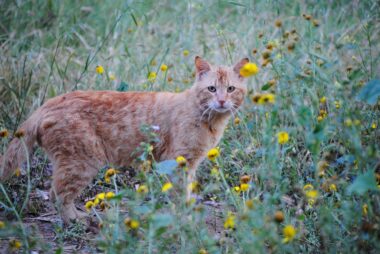

Wildlife Resurgence: Cats Returned From Rescue to Wildlands
In recent years, numerous touching stories have emerged about cats successfully returned to their natural habitats. These remarkable accounts highlight the resilience and adaptability of felines, showcasing their ability to thrive in the wild after being rescued. Efforts from various cat rescue organizations have played a pivotal role in ensuring that these cats are rehabilitated effectively before their reintegration into the wild. Many of these cats were once strays, abandoned or lost, leading to a life of uncertainty. The transformation journey begins with assessing their needs and understanding their behaviors, helping them adjust to life outside captivity. Volunteers are fundamental in this process, providing care and attention, as well as fostering environments that promote self-sufficiency. These rescue stories exemplify hope and compassion while emphasizing the importance of humane treatment towards all animals. As communities increasingly support wildlife rehabilitation, more cats find their way home to natural settings. This not only enhances biodiversity but also enriches the ecosystems they rejoin, benefiting both the cats and surrounding wildlife. Such successful stories inspire others to pursue similar initiatives in their local areas, creating a wave of positive change.
One prominent example of cat rescue organizations making an impact includes initiatives that focus specifically on socializing feral cats. This process is crucial for preparing them for life in the wild, as many feral cats lack the critical skills needed to survive independently. Organizations often employ skilled trainers who utilize techniques to gently acclimatize these courageous felines to their natural environment. Education is also fundamental for local communities, since responsible management of stray populations promotes effective strategies for reducing cat overpopulation. The community is encouraged to participate in TNR (Trap-Neuter-Return) initiatives, significantly reducing the number of homeless cats. Through these programs, abandoned and lost cats receive medical care, while foster families offer safe temporary homes. Concurrently, it raises awareness about the responsibilities of pet ownership and the importance of spaying and neutering pets. Support from the local community often leads to increased funding and volunteer participation, ensuring the sustainability of these rescue missions. Ultimately, the successful return of these cats relies on collaborative efforts, combining expertise, compassion, and community involvement, emphasizing the need for ongoing support for animal welfare initiatives.
Success Stories of Cats Rehabilitated
Several remarkable success stories illustrate the incredible resilience of cats returning to their natural habitats. One particular case involved a female cat named Whiskers, rescued after being found living in an abandoned barn. After months of rehabilitation, she was released into a nearby wildlife reserve. Whiskers quickly adapted and became an integral part of the local ecosystem, showcasing her hunting prowess while helping control rodent populations. In another inspiring story, a group of four kittens was rescued from a construction site. They underwent socialization and were soon ready for life in the wild. Upon release, these kittens formed a new bond with other feral cats and thrived together, exploring their environment and developing essential survival skills. Each story highlights the unique adventures and challenges these cats face, often documenting their journey through photography and heartwarming narratives shared online. Community members celebrate these success stories, showcasing resilience and regeneration, urging others to support local rescue efforts and fostering a greater appreciation for wild felines. Encouraging more rescues not only raises awareness but also promotes a deeper connection between humans and nature.
Efforts to reintegrate cats into the wild require ongoing monitoring to ensure their well-being. Many organizations have established programs that track the progress of newly released cats, collecting data on their adaptation to the wild. Such initiatives provide crucial insights into their behavior, health, and social dynamics. By employing humane traps and cameras, workers can gather valuable information about these cats living in their natural habitats, allowing researchers to assess their success rates. This vital monitoring aids in identifying any challenges they face, ensuring timely interventions when necessary. Moreover, this data contributes to a wealth of knowledge that enhances future rehabilitation efforts, refining techniques used in returning cats to the wild. With each success and setback, organizations compile resources to enhance training programs for volunteers and caregivers. This continuous cycle of learning ensures that each cat’s journey is met with compassion and understanding. The commitment to these programs reflects the broader ethical responsibility towards ecosystem preservation. By supporting local wildlife and feral populations, society fosters a holistic approach to animal welfare, essential for both cats and the ecosystems they inhabit.
The Role of Technology in Rescue Efforts
Technological advancements play a pivotal role in contemporary cat rescue and rehabilitation. Organizations leverage various technologies, such as GPS tracking devices and mobile applications, to monitor the movements and behaviors of released cats. This innovation enables real-time data collection, crucial for understanding how well these cats adapt to their environment post-release. Furthermore, smart collars equipped with sensors monitor their health, offering insight into changes in activity levels or potential medical issues. Additionally, remote monitoring systems provide organizations with continuous surveillance, ensuring the safety and well-being of feral cats. Technology also facilitates the education of potential adopters and volunteers through online training modules, empowering them with knowledge on proper care and management. Social media platforms serve as vital communication tools that raise awareness, attracting supporters who can contribute resources and funding towards these initiatives. By highlighting the individual stories of cats returned to the wild, organizations foster community engagement and awareness regarding animal welfare. Harnessing technology amplifies impact and strengthens the network of advocates dedicated to protecting and rehabilitating cats and their wild habitats.
Support from local and national organizations contributes greatly to the success of cat rescue programs. Grants and donations enable rescues to provide essential medical care and food supplies for cats in need. Collaboration with veterinary clinics ensures that rescued cats receive the necessary health evaluations, vaccinations, and spaying or neutering procedures before being returned. Fundraising efforts, including events and social media campaigns, raise awareness of the challenges faced by these cats and the importance of rehabilitation. These campaigns often feature moving narratives that illustrate the transformative journeys of specific rescued felines, fostering a more compassionate perspective in the public. Engaging educational outreach sparks conversation and awareness regarding stray cat populations, promoting responsible pet ownership as a societal norm. Each partnership and sponsorship enhance the visibility of local rescue organizations and expands their outreach capabilities to assist more cats. Collective efforts create an army of advocates dedicated to improving animal welfare, raising public consciousness about stray and feral cat issues. This collaboration ultimately breeds a culture of compassion, highlighting the need for continued support and protections for all wildlife.
Looking Towards the Future
As communities come together to support these magnificent animals and cat rescue organizations, the future looks promising. Emerging programs are aiming to enhance rehabilitation techniques and expand outreach efforts across wider geographical areas. By establishing more wildlife sanctuaries, cats can have a safe haven to learn and thrive in before full reintegration. Collaboration between various stakeholders will define new paths forward, encouraging local governments to champion policies protecting stray and feral cats. Increasing partnerships among rescue organizations encourages knowledge sharing and resource pooling, resulting in a more effective and cohesive approach towards cat rescue initiatives. By fostering local volunteer networks, organizations can enlist more community members in rescue missions, heightening awareness surrounding the plight of strays. Additionally, educational initiatives promoting spaying and neutering play a vital role in addressing overpopulation issues. Through combined efforts, society can take significant steps toward restoring balance in ecosystems disrupted by domestic cats. Maintaining this momentum paves the way for a brighter future where rescued cats thrive sustainably in their natural environments, enriching the wildlands they call home.
In summary, the stories of cats returned to the wild are a testament to the resilience of these amazing creatures and the dedication of individuals working tirelessly on their behalf. Through lessons learned and shared experiences, ongoing collaboration across communities fosters compassion towards animal welfare. As people witness transforming stories of rehabilitated cats supporting ecosystems, they feel inspired to contribute to these efforts and invest in creating a diverse and harmonious existence for all living beings. In the end, every successful rescue story reinforces the belief that with perseverance, love, and commitment, these cats can reclaim their rightful place in the wild. Each narrative becomes a thread in the larger tapestry of wildlife resurgence, stirring emotions and showcasing the beauty of nature in its purest form. The stories remind us of our responsibility to advocate for those unable to speak for themselves, fostering a culture of care and respect for all living creatures. With determination and community engagement, we can collectively nurture a world where rescued cats flourish and wildlands thrive.