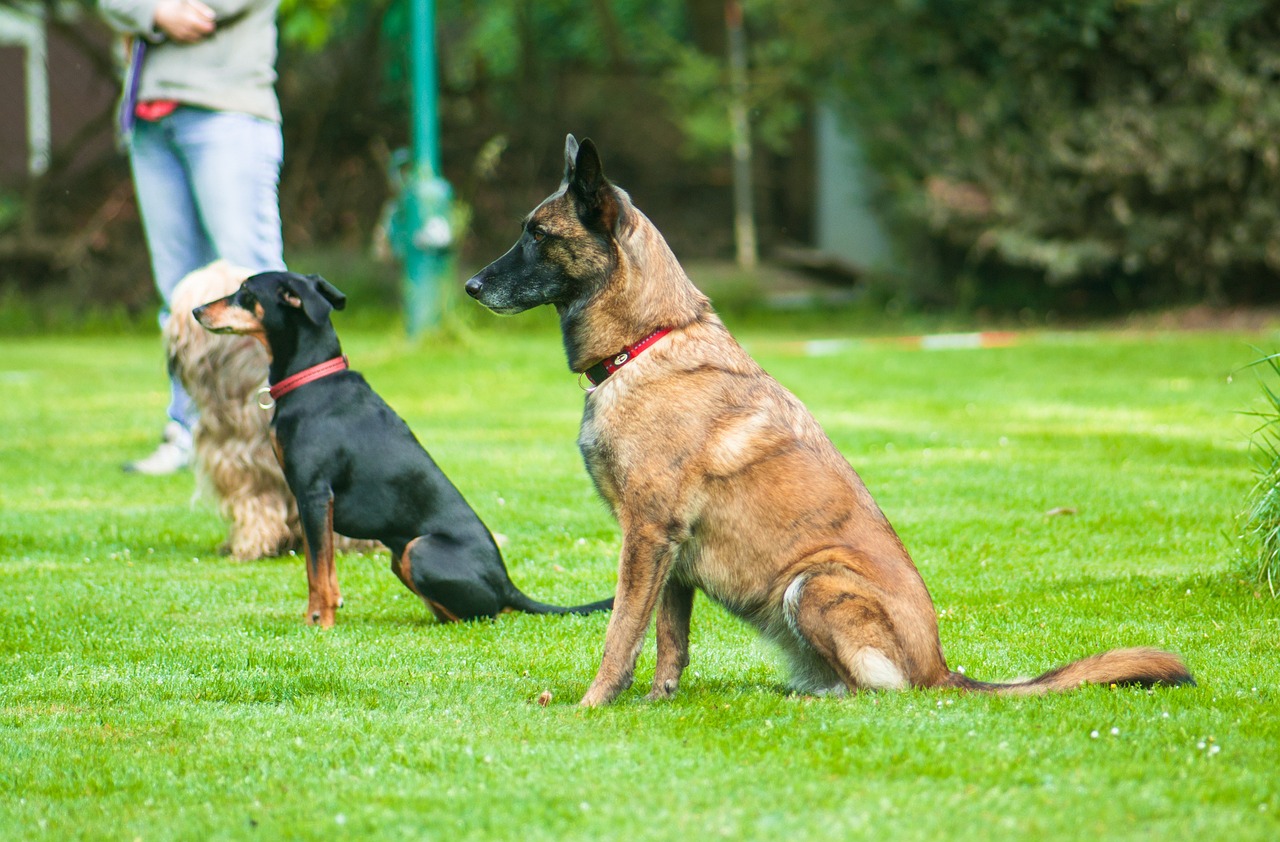

New Trends in Canine Obedience Sports Equipment
As canine obedience sports continue to evolve, so does the equipment used by trainers and participants. The latest trends focus on enhancing performance, safety, and the overall experience for both dogs and handlers. Innovative materials are being integrated into equipment, ensuring durability while minimizing the risk of injury. For instance, jump bars made from flexible polymers and padded harnesses are becoming popular. These advancements help reduce the strain on an agile dog’s joints during exercises. Furthermore, many brands are prioritizing eco-friendly materials, which are biodegradable and contribute to an environment-conscious approach to dog sports. This shift towards sustainability appeals to a growing demographic of eco-aware pet owners. In addition to material innovation, design features are also being enhanced. Equipment with adjustable heights or customizable features allows trainers to tailor the learning experience to individual dog needs, improving effectiveness during training sessions. These innovations reflect a growing understanding of canine behavior and training techniques, ultimately supporting positive outcomes in competitive environments. As dog sports communities embrace these advancements, the future of canine obedience sports equipment looks promising and continues to inspire trainers and enthusiasts alike.
Enhanced Training Devices for Encouraging Obedience
Recent developments include various training devices that facilitate better communication between handlers and dogs. Clickers equipped with advanced technology now allow trainers to reward behaviors in precise timing, crucial for effective learning. Smart collars equipped with GPS trackers and activity monitors enable handlers to keep tabs on their dogs’ progress in real-time. This monitoring fosters transparency in training efforts, making it easier for trainers to adjust approaches based on data insights. Additionally, there are immersion training sessions using virtual reality, helping dogs acclimate to various environments and stimuli without the stress of crowded spaces. Innovative platforms offer remote training options, allowing users to access webinars and live coaching sessions from home. These platforms help avoid distractions in conventional training sessions. Furthermore, obstacle courses made of light, collapsible material make setup and teardown effortless, allowing trainers to create dynamic training environments. These modern solutions also cater to various skill levels, promoting engagement among all participants. As technology blurs the lines in canine sports, the possibilities for enhancing obedience training are limitless, paving the way for more engaging experiences in the canine sports community.
The safety of both dogs and handlers is paramount in obedience sports equipment trends. Brands are increasingly focusing on safety features when designing training aids. Harness systems are now created with breakaway safety latches to prevent accidents during high-energy training sessions. Furthermore, agility wipes for equipment maintenance ensure that gear remains safe and hygienic for canine use. Products are designed to minimize wear and tear, benefitting both equipment longevity and canine safety. Additionally, innovations such as non-slip mats are prevalent, promising improved grip during obedience drills and competitions. This is key when dogs are performing complex maneuvers that require stability to prevent slips or falls, which can lead to injuries. Responsibly sourced materials have caused a trickle-down effect, where safety also extends to the eco-quality of products being produced. As a result, trainers feel empowered to keep their canine partners safe while navigating through various sports activities. Equipment manufacturers who embrace these safety-first principles stand out, fostering loyalty from conscientious pet owners. This growing trend represents the evolving attitudes towards canine welfare and responsible training practices in the dog sports community.
Customization of canine equipment continues to pick up pace as trainers recognize the individuality of dogs. Tailoring gear to suit specific breeds or training stages allows for maximum performance. Leashes are becoming customizable to reflect a dog’s size and strength, enabling seamless training experiences. Options for colorful designs and personal insignias are creating a unique identity for each dog, encouraging their pride in participation. Custom training crates that are temperature-regulated can enhance comfort for dogs, especially during off-time at events or competitions. Furthermore, training manuals are now regularly updated with customizable training routines that consider the dog’s breed temperament and learning style, making it easier for trainers to adapt their methodologies. Furniture-like training aids, like stylish raised platforms, are gaining popularity, blending aesthetics with functionality while promoting an inviting atmosphere for pet owners. As community feedback influences design choices, the emphasis on customization reflects a commitment to individual pet needs. Sports psychology experts recommend these personalized equipment options, which can bolster a dog’s confidence and engagement level during competitions. As trends shift towards customization, creativity shines brightly in the burgeoning field of canine obedience sports equipment.
Digital Innovations Enhancing Training Experiences
The integration of digital technology into dog training has revolutionized how trainers approach obedience sports. Virtual platforms that host group training sessions or competitions are increasingly prevalent since they offer a sense of community for pet owners and dogs alike. Applications that allow users to create and share personalized training videos are progressing rapidly, enabling collaborative learning among trainers. Moreover, wearable fitness trackers for dogs ensure that both fitness levels and exercise targets are met; these data records provide trainers with actionable insights to guide further training plans. Many products now incorporate mobile app connectivity, offering compatibility with smartphones so handlers can track their dog’s training progress remotely. These digital solutions allow for social interaction in the dog sports community, where sharing experiences can inspire motivation and joy in both trainers and their canine companions. This digital transformation is characterized by an exchange of best practices and shared resources, effectively reducing the feeling of isolation often faced by trainers. Real-time feedback has become essential for the technique mastery required in obedience sports. Thus, technology continues to enhance training experiences, creating a more vibrant canine sports culture.
Another emerging trend is the influence of fitness and wellness on canine sports equipment. As owners become more aware of the physical health of their pets, they are investing in equipment that promotes fitness alongside training. Resistance bands designed specifically for dogs are gaining traction, providing a unique way to engage muscles while integrating obedience commands during play. Dog fitness platforms equipped with measurement systems promote weight management and progress tracking. Handling equipment supports these initiatives, with specialized harnesses geared towards maintaining healthy posture during agility tasks becoming popular. Equipment that incorporates core strengthening components helps dogs improve their flexibility and balance, essential traits in any obedience discipline. Several new products focus on hydration, such as portable water bottles built into carrying vest systems, ensuring dogs stay hydrated throughout activities. These innovations signify a greater awareness of the overall well-being of sporting dogs, highlighting a cross-disciplinary approach between fitness and training. Therefore, commitment to health reflects not only in conditioning but is also mirrored in the equipment being used. This shift underscores the evolving mindset of dog owners toward more proactive roles in their pets’ health through thoughtful selection of obedience sports equipment.
Community Engagement in Equipment Development
With the rise of social media platforms, community engagement has become an integral part of developing new canine sports equipment. Brands are increasingly involving trainers and enthusiasts in the creation process by soliciting feedback on product design and functionality. Online surveys and crowdsourced ideas allow pet owners to weigh in on the aspects they consider essential in obedience training gear. This participatory approach not only fosters a sense of authenticity and collaboration but also results in higher-quality products finely tuned to end-user needs. Manufacturers can better understand the areas of improvement needed based on real-life usage, leading to innovative solutions tailored to specific requirements. Communities build upon shared experiences, amplifying trends and facilitating connections among participants, which encourages the growth of the dog sports market. Furthermore, events such as pop-up practical demonstrations and community-driven contests enhance visibility and trust in new equipment. As these collaborations flourish, the line connecting manufacturers and the canine sports community continues to grow stronger, ensuring that evolution resonates within the products provided. As fondness for canine welfare deepens, community involvement strengthens interest in canine obedience sports while elevating equipment quality to new heights.
The future of canine obedience sports equipment appears bright and dynamic, as technological advancements and community involvement reshape the landscape. The focus on innovation presents exciting possibilities for gear that promotes dog welfare and enriches training itself. Expect to see a continued emphasis on sustainability, personalization, and safety features, making training equipment more effective and appealing to a wider audience. Brands are anticipated to invest heavily in research and development to create equipment that fosters healthy interaction between dogs and their trainers. These innovations are powered by an understanding of canine behavior and conditioned training responses. Trainers are likely to embrace the use of technology to streamline training sessions while ensuring the utmost engagement levels during competition. It is reasonable to predict that the rise of interactive gear will transform traditional approaches, encouraging dog handlers to embrace innovative methodologies in training. As the canine sports scene continues to engage pet owners globally, trends predicting higher inclusion of digital resources herald an exciting era for canine obedience sports enthusiasts. Boundless creativity reflects the evolving demands and passion that drive the dog sports community, leading to an exhilarating future riddled with potential for both dogs and owners alike.