
Why Some Cats Prefer Boxes and Enclosed Spaces for Resting
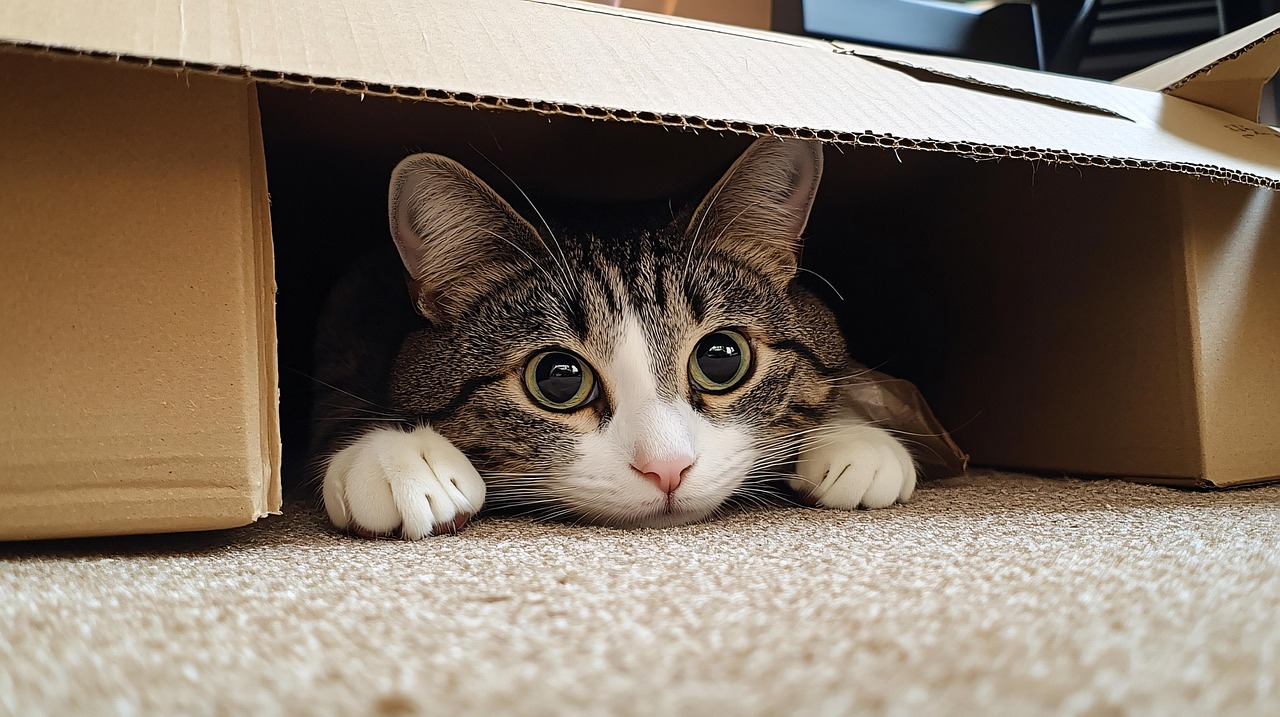
Understanding cat psychology can be fascinating, especially regarding their resting preferences. Many cat owners have noticed their feline friends favoring enclosed spaces like boxes, closets, or bags for napping. This behavior is not just a quirky habit; it has roots in their evolutionary history. In the wild, cats seek out secure locations to rest to protect themselves from predators. Boxes and similar spots offer a sense of safety and comfort. The enclosed spaces create a private world where cats feel secure. Moreover, as natural hunters, cats often prefer areas that provide them with vantage points. Enclosed spaces allow them to observe their surroundings while remaining hidden. Additionally, these spots retain warmth, satisfying their instinctual needs. Cats are also attracted to the texture and feel of these resting places. Materials like cardboard feel cozy and comforting. The act of crawling into a box can, therefore, be seen as both instinctual and enjoyable. It’s essential to provide various options for resting areas in a home to cater to these preferences. This ensures cats have suitable spaces where they can relax and recharge.
Enclosed spaces like boxes provide unique psychological benefits to cats. When a cat enters a box, it usually experiences a release of stress. This activity triggers an instinct that promotes feelings of safety and security. Cats may exhibit behaviors like purring, kneading, or even sleeping once they settle in. These behaviors indicate relaxation and a level of contentment not easily found in exposed settings. In addition, many cats enjoy playing in and out of these spaces, adding another layer of interaction. When they feel threatened or overstimulated, a box can serve as a refuge. Cats have a unique way of handling stress and anxiety that often involves retreating to hidden spots. An unattended cardboard box can become a small fortress where a cat can retreat at any given moment. Simplifying their lives involves providing plenty of these spaces. Cat owners should consider investing in lightweight boxes or even plush alternatives designed purposely for this purpose. Incorporating these items within their environment will inevitably enhance a cat’s quality of life. Understanding these resting habits allows for a more harmonious home for both cats and their owners.
The Importance of Territory
Territoriality is a critical aspect of cat behavior that explains their preference for enclosed spaces. Felines are instinctually territorial creatures. They mark their territory by rubbing against objects, leaving their scent. By favoring boxes, cats can establish a sense of ownership over small spaces. This behavior is particularly important for indoor cats who might feel their territory is limited. Boxes become not just places to rest but also personal sanctuaries. When a cat claims a box, it signifies that they feel comfortable and safe within that boundary. Moreover, when multiple cats share a home, conflict can arise over territory. Providing enough boxes can ease tension by giving each cat their resting space. Enclosed areas also reduce visibility, allowing timid cats to feel more secure from potential threats. This setup helps mitigate anxiety levels while catering to their social needs. Boxes facilitate the chance for cats to observe their environment from a protected position. Thus, offering various boxes and resting spots enhances their sense of belonging and reduces any territorial disputes among pets.
Another essential aspect of a cat’s napping habits involves their innate need for warmth. Cats are naturally inclined to seek out areas that retain heat. Enclosed spaces like boxes can serve as primal insulation, helping them stay warm while resting. The enclosed walls trap body heat, creating a cozy environment. Different materials, such as cardboard or fabric-lined boxes, can further enhance this warmth. Cats will instinctively gravitate toward these spots during colder weather, ensuring they remain comfortable. An understanding of this need sheds light on how to create optimal resting environments. Providing options for warmth is vital, especially in varying climate conditions. Owners should experiment with heated pet beds or blankets. Moreover, during colder seasons, placing a box in a sunny spot can be advantageous. This guarantees that the cat receives natural warmth from sunlight. Ensuring their spots are inviting and well-maintained will encourage restful behavior. Cats are likely to enjoy their naptime even more when they are in a warm and secure environment. Meeting this basic instinct contributes to their overall well-being and happiness.
Social Interactions Influence Resting Choices
Cat psychology also reveals that social interactions with humans or other pets influence their preferences for resting spots. While some cats thrive on social interaction, others prefer solitude. A cat’s personality dictates its choice of resting area. More social cats might opt for nearby spots where they can observe family activities. Conversely, those who are shy or anxious may seek enclosed spaces that provide seclusion. Observing these preferences can help owners understand their cats better. For instance, if a cat consistently chooses a box over a sunny spot, it could indicate feelings of insecurity or a need for a safe space. Acknowledging these cues allows for adjustments within the environment. Encouraging independent exploration is crucial for fostering security. Ensuring there are multiple options caters to all personalities. As a result, each cat can find their preferred place, fostering a healthy coexistence. By aligning resting areas with individual personalities, owners contribute positively to their overall emotional health. This supportive environment ultimately enhances the bond between cats and their human companions.
Understanding and providing proper napping spots for your cat can significantly improve their quality of life. Cats thrive in environments that cater to their unique behavioral needs. By creating spaces that embody the principles of safety, security, and warmth, you can make a positive difference. Start by observing your cat’s preferences and picking areas where they seem to feel most comfortable. If possible, position boxes at different heights to encourage climbing and exploration. Vertical spaces can create an extra layer of excitement for cats that enjoy viewing their surroundings. You might also consider designing cozy, multi-level play areas that double as resting spots. These areas can provide not only the comfort that cats seek but also stimulation and engagement. Additionally, rotating boxes and resting areas informally keeps the environment fresh. Cats are naturally curious creatures, so they’ll appreciate variations from their standard resting spots. Even simple changes can reignite their interest in specific areas. Creating a dynamic home catering to a cat’s instincts not only delights them but strengthens your bond together as well.
Conclusion
To sum up, understanding your cat’s resting and napping preferences is essential for their happiness and well-being. Providing boxes and enclosed spaces offers several benefits that enhance their emotional and psychological health. It meets the evolutionary needs for security and warmth while accommodating their varied personalities. As cat owners, it is our responsibility to create environments that foster these instincts. By implementing creative solutions, such as introducing diverse resting spots, you can significantly impact their experiences. Beyond physical comfort, recognizing their preferences promotes a deeper connection between you and your feline friend. The simple act of offering a cozy box can be transformed into a sanctuary of comfort and peace. Thus, observing and responding to their behavior leads to a more harmonious living arrangement. In returning to their natural roots, cats can thrive in our homes. The more attuned you become to their habits and preferences, the better equipped you are to provide a fulfilling life. Creating these safe spaces not only addresses your cat’s physical needs but also nurtures their emotional well-being.
This is another paragraph with exactly 190 words…