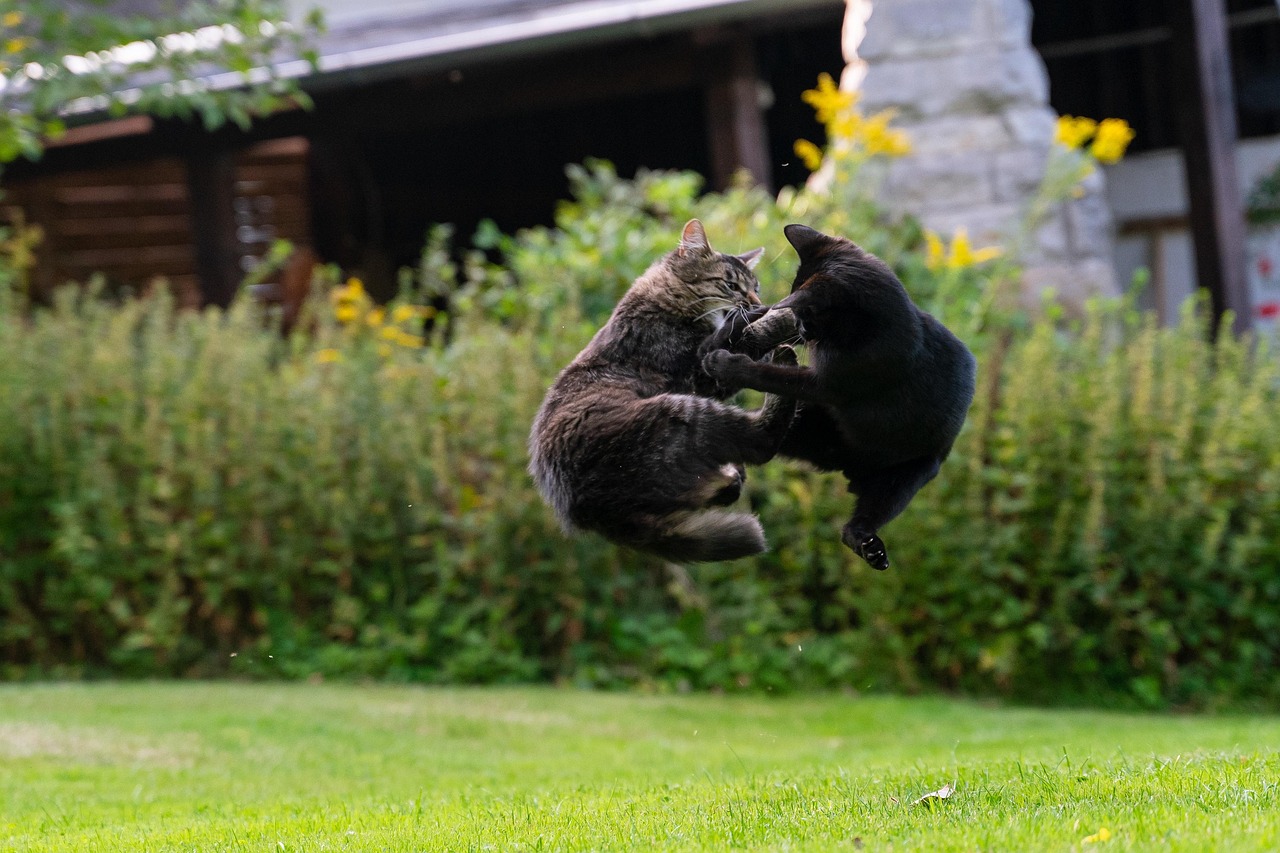

Understanding the Conflict
When cats fight, understanding the underlying causes is crucial for effective resolution. Cats may escalate aggression due to territorial disputes, fear, or resource competition. Identifying the trigger points involving specific behaviors helps address these issues appropriately. Stressful circumstances, like moving or new additions to the family, can exacerbate tensions. Recognizing the signs of aggression can aid in anticipating future conflicts. Aggression can manifest as hissing, growling, or even physical fights. Providing separate safe spaces for each cat ensures that they can retreat when feeling threatened. Implementing enough resources is also vital; this includes food bowls, litter boxes, and comfortable resting areas. Each cat requires its own essentials to minimize competition. Practices like gradual reintroductions and positive reinforcement achieve better results. Additionally, maintaining consistency in routines minimizes anxiety. Always remain aware of their body language to better read emotional states. A calm environment contributes significantly to reducing aggression. A good starting point involves removing potential stressors, like loud noises or unfamiliar animals nearby. Following these steps helps lay the groundwork for successful cat interactions. As such, managing aggression requires patience and understanding to avoid future incidents, allowing peaceful coexistence.
After a fight, it’s crucial to facilitate a gradual and thoughtful reintroduction process. Begin by isolating the cats in separate spaces, providing them with their own resources such as toys and litter boxes. This step allows them to feel secure while they recover from the stress of the altercation. Over time, allow them to explore each other’s scent by swapping bedding or using a cloth to gently rub each cat, then alternating the items. This process introduces them to each other’s scent in a non-threatening manner. Once they seem comfortable, begin short and controlled visual meetings. Keep encounters brief and positive, rewarding them with treats and praise for calm behavior. Gradually increase the duration of these meetings, ensuring that neither cat feels overwhelmed. It may also be helpful to engage them in interactive play during these sessions to distract from any residual aggression. Additionally, allowing them to observe each other from a distance can create a non-confrontational atmosphere. Pay attention to their body language during each stage, and intervene if tensions rise. Ensuring that both cats feel secure ultimately contributes to a more harmonious living environment and breeds trust between them.
Environmental Enrichment
Enhancing the living environment plays a significant role in promoting positive interactions post-conflict. Environmental enrichment includes incorporating various toys, climbing structures, and scratching posts to stimulate their physical and mental well-being. Cats thrive in environments that fulfill their natural instincts, such as hunting and exploring. When the environment supports these behaviors, cats are less likely to respond aggressively. Additionally, using puzzle feeders can engage their minds and divert their attention from one another. This distraction helps alleviate boredom, which can often lead to aggressive encounters. Providing high perches gives them an opportunity to establish their territory without conflict. Familiarizing your cats with play sessions using interactive toys fosters bonding experiences while decreasing any lingering tensions. A desirable environment comprises hiding spots and vertical spaces to ensure each cat can escape when necessary, avoiding face-to-face confrontations. Consistency in an enriched environment creates a sense of stability. Monitor their interactions closely during initial reintroductions, rewarding them for positive engagement and redirecting any aggression. Encouraging cooperative play helps strengthen bonds and decreases aggression levels. Ultimately, enhancing their surroundings establishes a more harmonious atmosphere while offering ample opportunities for fun and exploration.
Rebuilding trust is paramount when reintroducing cats after an aggressive encounter. Start by offering each cat individual attention, emphasizing the importance of avoiding competition for your affection. Utilize treats to create positive associations, rewarding them for calm behavior every time they are close to one another. Patience is vital, as trust rebuilding takes time. Use calming products, such as pheromone diffusers, to create a peaceful atmosphere. These diffusers disperse calming scents, promoting relaxation during the reintroduction process. Familiarize each cat with separate stress-reducing zones that allow them to escape should they feel threatened. Always monitor their interactions, using distractions to divert their attention away from potential aggression triggers. Incorporating play time and interactive games helps to foster positive connections and boosts their mental stimulation. When multiple cats exist in the household, provide ample resources, preventing territorial disputes. Continue reinforcing good behavior, slowly allowing cats to interact while remaining vigilant for any signs of conflict. Regularly assess their body language during each stage and intervene at the first sign of tension. By promoting a non-threatening environment, you create a safe space where trust can be gradually rebuilt.
Consulting a Professional
If the aggression persists, seeking advice from a veterinarian or animal behaviorist may be necessary. Professionals assess the situation accurately and offer tailored strategies based on individual cat dynamics. They can help identify any underlying health issues that may contribute to aggression, ensuring that your cats are healthy before implementing behavioral strategies. A holistic approach often yields the best results by addressing both physical and behavioral components. Behavioral counselors provide guidance on specific techniques to promote calm interactions, such as adjusting feeding routines or creating structured playtime sessions. An expert can offer unique insights into cat compatibility, helping you understand different personalities and behavior traits better. Training techniques may involve behavior modification strategies, such as desensitization or positive reinforcement methods. Cats are unique, and customized approaches often prove most effective in ensuring harmony. While positive changes can take time, consistent work yields significant results, improving the relationship among household cats. Diligently tracking progress over time can provide valuable insights for moving forward. Your patience demonstrates commitment to fostering a peaceful environment, ensuring a happy home for both cats and owners.
While working through aggression issues can be challenging, maintaining a routine can promote stability and comfort for both cats. Establishing regular feeding schedules and predictable playtimes helps alleviate stress significantly. Cats thrive on routine; following consistent behaviors reinforces a sense of security amid the chaos of reintroductions. Consider investing in separate feeding areas, ensuring each cat has its own space during mealtimes. Additionally, providing multiple litter boxes throughout the home minimizes territorial disputes over essential resources. Reinforcing positive behavior daily through treats and consistent praise boosts self-esteem and encourages cooperative dynamics. It’s essential to remain calm; your demeanor influences their behavior significantly. Speaking softly and employing a gentle tone creates an atmosphere of relaxation. Take the time to observe your cats’ interactions, providing feedback where necessary. Emphasizing positive moments and keeping detailed records of each cat’s progress aids in understanding what works best. Furthermore, learning when to intervene can help prevent escalation and minimize stress. Through diligence and adaptable strategies, owners can reduce aggression between household cats. Ultimately, patience and a well-structured routine create a safe space for cohabitation.
Conclusion and Long-Term Management
In conclusion, reintroducing cats after a fight necessitates a multifaceted approach focusing on patience, understanding their behavior, and creating a supportive environment. Owners play a pivotal role in guiding their cats towards a peaceful coexistence. Incorporating strategies such as gradual reintroductions, environmental enrichment, and establishing routines fosters positive engagement. Paying attention to body language and slowly rebuilding trust forms the foundation of successful reintroduction strategies. Regular interventions ensure any conflict is addressed promptly, preventing recurring issues. Assessing each cat’s compatibility can provide essential insights into behavior, allowing tailored modifications that best suit their needs. Continuous reinforcement of positive interactions develops a harmonious environment, ensuring both cats feel secure and valued. Seeking professional advice can illuminate any overlooked problem areas and create a comprehensive behavioral management plan. Being proactive allows for long-term prevention of aggression, promoting healthier interactions throughout their lifetime. As a loving and responsible cat owner, your efforts significantly impact their overall well-being. With time and commitment, you can foster a respectful relationship between your cats, ensuring that they share a happy, peaceful home and flourish in their companionship.
Overall, understanding and addressing aggression between household cats require a well-rounded approach. By assessing individual behaviors, recognizing environmental factors, and fostering positive engagement, owners can create a balanced living situation. It is essential that every cat feels respected and valued within its environment. Implementing gradual reintroductions, using calming products, and providing ample resources plays a major role in reducing conflict potential. Patience and attentiveness are crucial to ensuring peaceful interactions. Taking gradual steps to reintroduce each cat can significantly decrease tension, allowing for a more cohesive household. Always ensure safe spaces are available to help each cat feel secure. Avoid forcing interactions; allow them to explore their newfound comfort levels. A supportive and nurturing atmosphere paves the way for future success. Documenting behaviors helps owners track improvements over time. Learning their idiosyncrasies enhances bonding experiences, contributing to emotional development. Through thoughtful approaches, trust and affection can grow, leading to a happy home for your feline companions. Lastly, maintaining an open line of communication with experts can provide guidance for ongoing management. By equipping yourself with knowledge and proactive measures, you foster an environment where both cats can thrive.