
Understanding the Health Issues Common in Basset Hounds
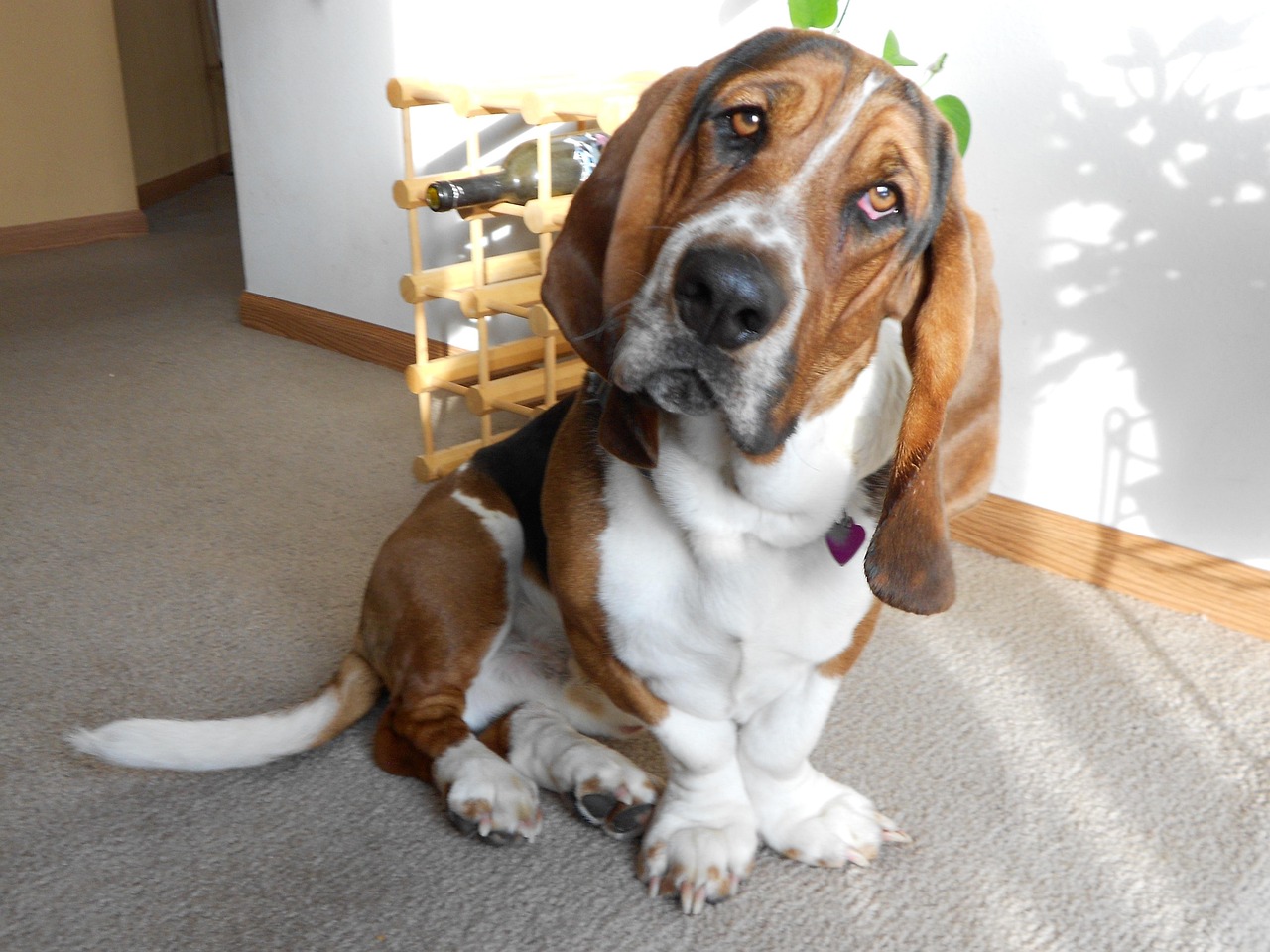
Basset Hounds are a unique breed known for their long ears, droopy eyes, and distinctive body shape. While they are generally friendly and affectionate, they do face various health issues that prospective owners should be aware of. Firstly, one common issue in Basset Hounds is hip dysplasia. This genetic condition can lead to arthritis and cause significant discomfort. Owners should ensure their dog maintains a healthy weight to lessen stress on their joints. Regular vet check-ups and appropriate exercise can help manage this condition. Secondly, Basset Hounds are also prone to ear infections due to their long ears that can trap moisture and debris. It is essential to keep their ears clean and dry to prevent infections. Additionally, Basset Hounds may experience obesity if not monitored closely. Their sad eyes might make it hard to resist treating them; however, this can lead to serious health problems. Keeping a balanced diet and regular exercise will help prevent obesity-related issues. By being proactive, owners can significantly improve their Basset Hound’s quality of life.
Another health concern for Basset Hounds is their predisposition to certain skin problems. Since they have loose skin and a short coat, they may develop skin infections or dermatitis. It’s essential to regularly check their skin for signs of irritation or rashes. Bathing them with appropriate dog shampoo can also help reduce skin issues. Allergies can also manifest in Basset Hounds, often leading to itching and discomfort. Identifying specific allergens, whether food or environmental, is crucial for managing these allergic reactions. Furthermore, Basset Hounds have short legs which can lead to problems like intervertebral disc disease (IVDD). This condition affects the spine and can cause pain or mobility issues. Regular exercise and avoiding jumping from heights can aid in prevention. Routine veterinary visits are critical for early detection and management of these ailments. Watching for signs such as whining, difficulty moving, or changes in behavior can alert owners to potential problems. Owners should remain vigilant regarding their dog’s physical condition.
Gastrointestinal Issues in Basset Hounds
Basset Hounds are also susceptible to gastrointestinal issues, such as bloat or gastric torsion. This serious condition can be life-threatening and requires immediate veterinary attention. Owners should be aware of the symptoms, which include a swollen belly, excessive drooling, and restlessness. Preventive measures can include feeding smaller meals and avoiding vigorous activity right after eating. Another common issue is food intolerance or allergies, which can result in vomiting or diarrhea. Identifying any problematic foods may require trial and error, and a vet’s guidance can be invaluable throughout this process. In addition, always choose high-quality dog food specifically formulated for their nutritional needs. Sometimes, Basset Hounds may also deal with pancreatitis, an inflammation of the pancreas often triggered by dietary choices. Sudden changes in diet or excessive fat consumption can precipitate this illness. Symptoms might include lethargy, severe abdominal pain, or loss of appetite, necessitating immediate veterinary intervention. Awareness and proactive management can help alleviate these digestive health issues.
Another vital aspect of Basset Hound health revolves around their eyes, as they are prone to several eye conditions. One of the most common is ectropion, where the eyelids droop away from the eye. This can lead to irritation and infections. Regular eye examinations by a veterinarian are crucial for early detection and treatment. Additionally, Basset Hounds may also develop cherry eye, where a gland in the eye pops out of place. Surgery may be required to correct this issue. Another concern is cataracts, which may cause vision impairment. These eye issues can often be managed but require prompt attention to prevent more severe complications. Paying keen attention to their ocular health is essential in preserving their vision and well-being. Routine cleanings and monitoring any changes in their vision can be beneficial. Furthermore, Basset Hounds may occasionally suffer from conditions related to their respiratory system due to their unique anatomy. Ensuring proper ventilation and avoiding excessive heat can help mitigate these respiratory concerns. Managing their health proactively can significantly enhance their quality of life.
Socialization and Behavioral Health
Apart from physical health issues, socialization plays an essential role in the overall mental well-being of Basset Hounds. An improperly socialized dog may develop anxiety or aggression, making training and interaction challenging. Early exposure to various environments, sounds, and people is vital to develop a well-adjusted Basset Hound. Training should be consistent and positive, employing rewards and patience. Additionally, Basset Hounds are known to be stubborn at times, which can complicate training. However, with persistent efforts, owners can successfully teach them commands and expectations. Engaging them in regular mental and physical exercises can help alleviate boredom and destructive behaviors. Mental stimulation, such as puzzle toys or scent work, can harness their keen sense of smell and intelligence. Furthermore, creating a routine including exercise, training, and social interaction can establish a sense of security for your Basset Hound. Proper socialization practices and consistent training can foster a stronger bond between owner and dog, benefitting both parties. This attention to mental health is just as integral as attending to their physical ailments.
To summarize, Basset Hounds face numerous health challenges, which require attentive care from their owners. Issues like hip dysplasia, ear infections, skin problems, and obesity can be managed through regular veterinary check-ups and a proactive approach to health. Moreover, gastrointestinal issues and eye conditions also require the owner’s vigilance. Recognizing symptoms early and establishing preventive measures can significantly enhance their quality of life. Socialization and mental health techniques are equally important. Therefore, actively engaging and training your Basset Hound enriches their lives, preventing behavioral issues. Prospective owners should do thorough research before welcoming a Basset Hound into their home. Understanding their unique health needs can help adapt lifestyles to meet these needs effectively. Consulting with veterinarians on proper diets, exercise regimens, and health screenings is crucial. By being informed and engaged, Basset Hound owners can ensure their companions live healthy, happy lives. Investing time, care, and attention will cultivate a rewarding relationship, contributing to the beloved Basset Hound’s well-being.
Finally, potential Basset Hound owners should connect with breeder or rescue organizations to understand breed-specific health issues better. Many resources are available online, including forums and websites dedicated to Basset Hound health. Joining social media groups can facilitate sharing experiences and tips with other owners. Networking with those who have lived the joys and challenges of owning Basset Hounds can provide invaluable insights. Furthermore, being aware of the breed’s health history can assist in identifying common problems. Potential owners are encouraged to interact with vets familiar with the breed to gather accurate information on health management. This collaborative approach helps ensure that Basset Hounds receive the best care. Continued education and outreach can solidify their well-being. Embracing one’s role in advocating for the health of these delightful dogs can lead to significant positive impacts on their lives. Ultimately, committing to maintaining their health holds valuable consequences. By staying informed, owners can provide a safe, comfortable environment for their Basset Hound companion.
In conclusion, becoming a responsible Basset Hound owner involves understanding the comprehensive range of health issues inherent to the breed. With a focus on proactive care, routine veterinary visits, and proper training, owners can mitigate many of these problems. Recognizing that Basset Hounds thrive in an environment where their physical and mental health is prioritized will undoubtedly yield positive results. By staying attentive and nurturing the bond shared between owner and pet, the Basset Hound’s happiness and longevity can be significantly enhanced. As these dogs continue to charm their owners with their affectionate nature, owners must remain vigilant about their health concerns. Taking a partnership approach can provide lasting benefits, preserving the joyful spirit characteristic of Basset Hounds. Creating a well-rounded care routine that includes diet, exercise, and enrichment will set the stage for a fulfilled life. Ultimately, these beloved companions deserve a lifetime of love and healthy living. Continuing to educate oneself and to adapt to the changing needs of these dogs over time will foster a resilient relationship that benefits both parties.