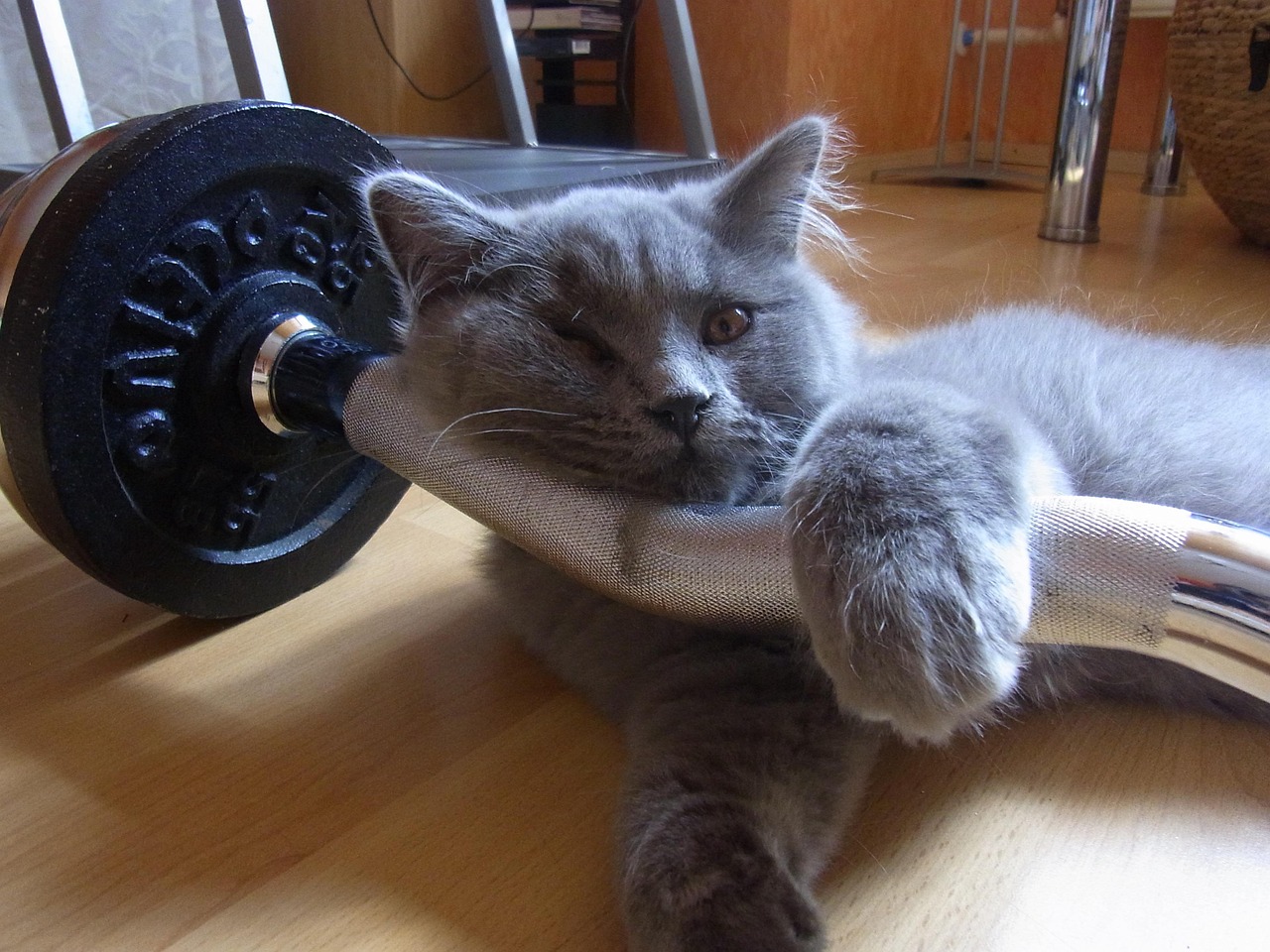

Using Treats Effectively in Multi-Cat Training Sessions
Training multi-cat households can be quite a challenge, but using treats effectively can ease the process significantly. Here are a few strategies to implement. First, establish a specific training time when all cats are calm and focused. This might mean waiting until they’ve had their playtime or are in a resting state. When starting, it’s crucial to have the right kind of treats that all your cats enjoy. Consider keeping a variety of treats to cater to different preferences, ensuring each cat remains motivated during training sessions. Using smaller treats often works better than larger ones, as it allows for more frequent rewards, reinforcing positive behavior without overwhelming them. Cats are more engaged when they anticipate rewards promptly. Additionally, it’s good to train each cat separately first, before introducing them to group sessions. This helps build their confidence and aids in establishing a stronger bond with you. Bear in mind, never resort to using treats as bribes; they should be an incentive for learning. Gradually phase out treats as cats become adept at following the commands you’ve taught them.
Another tip involves understanding the personalities of each cat in your multi-cat household. Some cats may be more food-driven, while others may respond better to play or affection. To assess preferences, try different rewards during training sessions. Observe which cats engage more with food versus play. Tailoring your approach based on each cat’s personality will yield better results. Positive reinforcement helps create a harmonious environment during training, which is essential when managing multiple cats. Next, it’s important to maintain a calm demeanor during training sessions. Cats are sensitive to changes in energy, so a relaxed atmosphere will keep them more focused. To reduce distractions, choose an area of your home that is quiet and familiar to them. Ensure that all participants understand basic commands and cues before coming together as a group. Implementing a consistent signal for desired behaviors will reinforce good habits. You may also use clicker training alongside treats for added effectiveness. The sound of a clicker can help with timing and let your cats know exactly when they’ve done something correct. Consistency with cues and signals will help your cats better understand what is expected of them.
Create Structure with Sessions
Creating structured training sessions can enhance your multi-cat training experience. Setting a regular schedule for these sessions helps your cats know what to expect. For instance, training for ten to fifteen minutes daily can lead to significant progress. The length of sessions should cater to each cat’s attention span; younger cats might engage better for shorter periods than older ones. You can also make these sessions more interactive by including fun challenges that require your cats to use their problem-solving skills and work together. Incorporating toys or puzzles that dispense treats when solved can motivate them to participate actively. However, it’s important not to rush training. Each cat learns at a different pace, and forcing them may lead to anxiety or resentment. Remain patient, and don’t forget to celebrate their successes, big or small. This positivity encourages them to engage and learn. After a successful session, end with some quality bonding time. Grooming each cat or giving them affection at the end of your training creates positive associations. This will make them more excited for the next session, fostering a more enjoyable environment for training.
In conjunction with treat-based training, incorporating regular playtime into your routines can significantly bolster your success. A well-rounded training experience involves mental stimulation alongside physical engagement. Engage your cats with interactive toys to keep them active and entertained. The right combination of treats and play creates a balanced atmosphere that reduces stress and promotes better learning. Furthermore, ensure that during group training, you allocate enough resources, such as space, treats, and attention, so each cat feels valued and included. This prevents feelings of competition and jealousy, which could disrupt the training process. While treats are essential, it can sometimes be beneficial to replace them with other rewards. Consider using praise or affection as alternatives after your cats show progress in their learning. Each positive interaction strengthens the bond between you and your cats. Finally, monitor their reactions during sessions. If you notice any signs of discomfort or stress, be prepared to adapt your methods. Understanding your cats’ needs will ultimately make your training sessions more effective. Adaptability is key to ensuring a positive experience as you work toward a well-behaved multi-cat household.
Utilize a Reward System
Utilizing a rewards system in your multi-cat training can enhance their learning experience. For instance, implementing a point system where each cat earns points for successful tasks can be effective. Once accumulated, these points can be exchanged for a desired treat or playtime. This approach encourages them to consistently participate while playing innocent competition to see who earns the most recognition. To ensure fairness, monitor each cat’s points diligently and validate their efforts to maintain motivation. Additionally, using a special treat container can signal that a training session is about to begin, bringing excitement and focus. Allowing your cats to see and smell the treats beforehand can enhance their interest. You can also vary rewards by occasionally introducing new types of treats to keep their curiosity piqued. Always praise them enthusiastically when they accomplish tasks correctly, reinforcing the idea that training is fun and rewarding. Remember, consistency also plays a crucial role in this system. All participants should remain on the same page regarding the amounts and types of rewards to ensure equity among your cats during training sessions.
As you continue with treat-based training, it’s crucial to address any behavioral issues also present within the multi-cat household. Behavioral regression sometimes occurs during training, especially if a new cat is introduced to the home. Identifying potential triggers that could lead to negative behavior is essential. Address these issues while continuing regular training, and ensure harmony among your cats. If a cat starts acting out, take a step back and assess what might have changed their environment or routine. Adjusting training sessions to cater to their needs could require you to implement calming techniques or magnify individual training tactics for the cat in question. Creating a safe space for each cat where they can retreat during stressful moments fosters their overall well-being. Introducing positive distractions during tense situations can further help maintain peace. Respect each cat’s unique personality traits while addressing these behavioral challenges. Regularly evaluating your training methods will ensure they best serve your multi-cat household. As your cats grow more accustomed to training, reinforce their learned behaviors with solo sessions where they practice the commands you’ve established together.
Conclusion and Future Success
In conclusion, effective training in a multi-cat household hinges on structured sessions, understanding individual cat personalities, and using treats as a positive reinforcement tool. Implementing varied rewards will keep your cats engaged while enhancing their motivation. Additionally, open communication between all participants is critical for maintaining a cohesive training environment. Don’t forget to monitor their progress and adapt your strategies as needed. As these cats grow more confident in their skills, everyone will benefit from a more harmonious living arrangement. Particularly for new cat owners, maintaining overall patience throughout the training processes is vital. Training takes time, and fostering relationships with each cat creates a more enjoyable atmosphere. Establishing rules early on helps from the start; consistency will be key as roles and boundaries solidify over time. Training should remain an enjoyable bonding experience. Finally, celebrate everyone’s achievements along the way. Whether it’s through simple compliments or acknowledging their efforts directly, recognition encourages positive experiences. Enjoy the journey as you work toward creating a well-behaved multi-cat household where each cat thrives and flourishes.