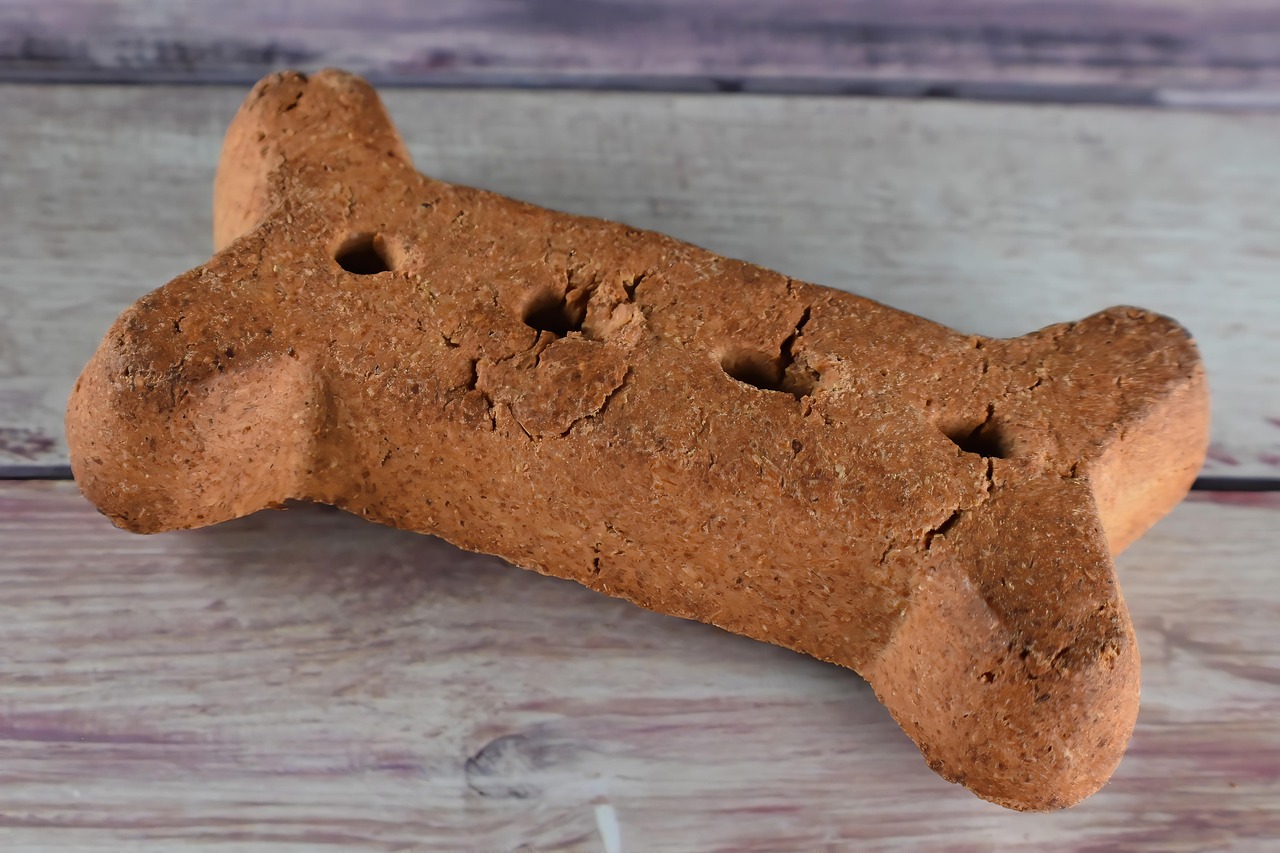

Choosing Safe Training Treats and Rewards
When training your dog, selecting safe training treats and rewards is essential for maintaining their health. Start by considering the ingredients of the treats. Look for high-quality products made from natural ingredients, avoiding any that contain artificial preservatives and fillers. Dogs can be sensitive to many additives, leading to stomach issues or allergic reactions. It’s beneficial to read the ingredient label for each product. Treats made from single sources of protein such as chicken, beef, or fish are ideal. This ensures your dog gets a nutritious reward without unnecessary additives. Additionally, homemade treats are also an option. You can ensure complete control over every ingredient, which can be particularly important for dogs with food sensitivities. Some popular safe ingredients for homemade treats include pumpkin, peanut butter, and oats. Furthermore, consider the size and texture of the treats. Smaller treats are easier for quick rewards, while softer treats can assist with older dogs or ones with dental issues. Lastly, always monitor your dog’s response to new treats and reward them moderately to maintain an optimal balance in their diet. Finding the right treats is vital for successful training.
Understanding Dog Dietary Needs
Understanding your dog’s dietary needs is crucial when selecting training treats. Dogs, like humans, require a balanced diet to thrive. It’s important to consider their age, size, breed, and health status when evaluating the appropriate treats. For example, puppies have different nutritional requirements than adult dogs. Treats should complement their regular diet, not replace essential nutrients. Additionally, some breeds may be prone to specific health issues, such as allergies. Monitoring your dog’s overall health and selecting treats suited to their unique needs will prevent adverse reactions. Consulting with your veterinarian about your dog’s specific dietary requirements can provide clarity on their nutritional needs. Some dogs benefit from high-protein treats to sustain energy levels during training. Conversely, others may need low-fat treats to manage weight or certain health conditions. Always choose treats that are appropriate for their life stage and activity level. Moreover, ensure that the treats come from reputable brands or suppliers to guarantee quality. Your diligence in this aspect reinforces your commitment to your dog’s health, fostering an environment in which training is more effective and enjoyable for both you and your canine companion.
Training your dog involves understanding how treats can enhance their learning experience. Dogs often respond to positive reinforcement, and providing a reward fosters a connection between correct behavior and receiving a treat. This effectively motivates them during training sessions. However, treats must align with your training goals. For instance, if you aim to teach your dog new tricks, consider treats that are enticing yet not overly filling. The purpose of the training treat is to provide incentive without upsetting your dog’s appetite. Remember that training sessions should not solely revolve around food rewards; engaging praise, playful interactions, and acknowledgment are also essential. This helps develop a well-rounded training regimen. Incorporating varied rewards, including treats, toys, or verbal praise, can significantly improve your dog’s enthusiasm and eagerness to participate. Variety keeps them engaged, maintaining their interest over time. Additionally, you’ll want to monitor how much food is provided overall during training sessions to avoid overfeeding. A consistent reward strategy that employs a mixture of methods can enhance the effectiveness of your training efforts in both the short and long term, leading to a bond of obedience and trust.
Avoiding Common Training Treats Hazards
Avoiding certain hazards when selecting training treats is paramount for your dog’s safety during training. Some well-known dangers include treats that are overly hard or large, which can pose choking risks. Soft, small treats are preferable, as these allow for quick rewards without the concern of choking. Additionally, steer clear of treats containing harmful ingredients like xylitol, chocolate, or grape products. These substances are toxic to dogs and can lead to serious health complications. Always keep an eye out for recalls on dog treats and monitor news reports about unsafe products. Furthermore, be cautious with rawhide and similar chew items; they can present choking hazards or digestive obstructions. Alternate options include softer chews or non-edible toys that promote good chewing behavior. If your dog tends to gulp down food quickly, consider using slow feeder bowls or puzzle toys that dispense treats gradually. Lastly, consult with your veterinarian regularly about the best treat options. They can advise you on current safe products and alternatives tailored to your dog’s needs. Ensuring your dog’s safety extends beyond food—it’s equally vital to create a safe training environment.
The timing of delivering treats is also key to effective training. For your dog to truly understand what behavior is being rewarded, provide the treat immediately following the desired action. Delayed rewards can confuse your dog and weaken the association between their action and receiving the reward. It’s essential to use a timing method that aligns with the training technique you are employing. Consistency is critical, ensuring that every successful command execution is matched with a reward, which reinforces learning. As your dog becomes accustomed to certain commands, gradually scale down on the frequency of treats while maintaining verbal praise. Phasing out treats can prevent dependency on them for compliance while still permitting positive reinforcement through praise. When diversifying your rewards approach, consider keeping a variety of treats on hand. This allows you to choose the right option for different training scenarios. For example, use high-value treats for more challenging tasks or distractions, while using simple snacks for routine commands. This thoughtful strategic approach helps build a bridge between training sessions and everyday behavior, ensuring lasting good habits and obedience.
Storing Your Treats Properly
The importance of storing your training treats properly cannot be underestimated. Treat quality directly affects your dog’s enthusiasm and health during training. Begin by keeping treats in airtight containers to prevent them from becoming stale or losing their appeal. Exposure to air can lead to changes in texture or taste that may deter your dog from engaging with them. It’s also recommended that you store treats in a cool, dry place to avoid mold growth and maintain good texture. Some treats, especially those made from natural ingredients, may have a shorter shelf life. Be mindful of the expiration dates on packaging and rotate your stored treats regularly to use them before they go bad. You can even consider portioning treats into daily servings for ease during training sessions. When purchasing treats in bulk, divide them into smaller containers after opening the package, maintaining freshness. Additionally, be cautious about buying homemade treats or those from unverified sources, as their storage practices may be questionable. Ensuring your dog’s treats are of high quality will improve their training experience significantly.
Engaging your dog in fun and safe training sessions is a meaningful endeavor. As you explore different reward options, remember that excitement and motivation play significant roles in positive reinforcement. Each treat offered is not just a reward; it’s a building block in your dog’s development and learning journey. Therefore, take the time to understand your dog’s preferences and dietary restrictions while remaining observant of their reactions to various treats. Strive for a combination of treats that best supports their dietary needs while being mindful of their training goals. Connecting your dog’s learning process with enjoyable experiences will create a stronger bond between you and your furry friend. Plus, well-structured training will yield more effective results. Lastly, adjust your approach based on your dog’s personality and behavior during training, ensuring that every session remains engaging. Remember that each dog is unique, so what works for one may not be suitable for another. Creating an enjoyable and safe training environment enhances not only the experience but also fosters good habits that can last a lifetime.
In conclusion, finding the right training treats for your dog is crucial for their well-being and effective training. Choose treats wisely, keeping an eye on ingredient quality, safety, and dietary needs. Balancing training rewards with positive reinforcement strategies ensures that your dog stays motivated and eager. Always stay informed about safe products and monitor for any food recalls. Engaging with your veterinarian can provide valuable insights into your dog’s specific needs and preferences. By dedicating the necessary care and attention to treat selection and storage, you will enhance your dog’s training experience and overall health. Also, remember that training is not just about treats; it encompasses bonding, communication, and shared experiences that significantly impact your dog’s behavior. Introduce variety into your rewards and pay attention to your dog’s responses to keep them engaged. Most importantly, ensure that every session is fun, rewarding, and geared towards building trust and understanding between you and your dog. Training can be one of the most fulfilling experiences for both of you, leading to a well-trained and happy dog. Always celebrate each small achievement as a step closer to your training goals.