
The Science Behind Play Behavior in Cats
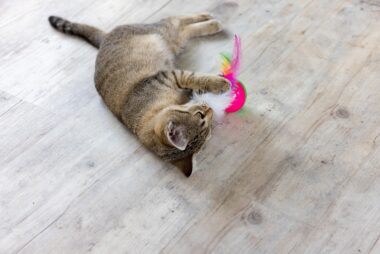
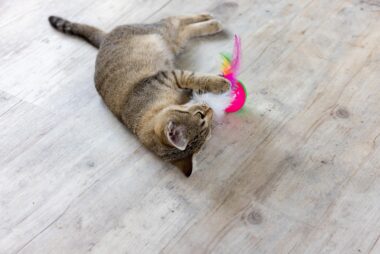
Understanding the importance of play in cats is essential for cat owners and caretakers to ensure a healthy, happy feline. Play is not merely an amusing pastime; it serves several vital developmental and behavioral functions for cats. Engaging in play mimics hunting behaviors, allowing cats to practice their predatory skills that are instinctive. Additionally, social play can help reinforce bonds between cats and their human companions, facilitating a stronger emotional connection. Without adequate play, cats may develop behavioral issues such as aggression or anxiety. As a result, it becomes crucial for pet owners to incorporate regular play sessions into their cats’ daily routine to promote mental and physical stimulation. Active play helps prevent obesity, as it encourages exercise and combats sedentary lifestyles. Beyond physical wellness, play can also prevent boredom, which can lead to destructive behaviors. Toys such as feather wands, laser pointers, and interactive puzzles involve both mental and physical engagement. Fostering an environment enriched with interactive toys ensures cats remain engaged. Therefore, understanding cat play behavior can improve overall pet ownership experiences significantly.
In addition to mimicking hunting and providing exercise, play serves crucial emotional benefits for cats. Experiments indicate that cats experience a range of emotions during play, including excitement and joy. Providing diverse and stimulating play options, like scratching posts and ball chasers, encourages exploration and experimentation. Such environments help alleviate stress, anxiety, or depressive tendencies while strengthening the bond between a pet and its owner. When a cat plays, it often exhibits specific body language indicating its mood, such as purring or tail movements. These signals give insight into how to tailor play activities. Individual preferences also emerge, with some cats favoring interactive play while others may enjoy solitary play options. Therefore, understanding these nuances becomes essential in effectively meeting their needs. Furthermore, recognizing a cat’s unique play style is imperative for choosing appropriate toys. Since playtime constitutes a vital portion of a cat’s happiness, it is worthwhile to invest in quality toys that encourage healthy behaviors. Establishing a routine that incorporates daily play reduces potential behavioral problems caused by lack of stimulation. Hence, play is a predominant state of being in a cat’s life.
The Role of Play in Cat Development
Play is critical during a cat’s early developmental stages, influencing the learning process and socialization. Kittens engage in play to practice skills necessary for future survival, such as hunting, climbing, and self-defense techniques. This early play behavior establishes a fundamental foundation for behaviors observed in adult cats. Additionally, social play teaches kittens how to interact with other felines appropriately, which can significantly impact their social development. The play helps refine their motor skills and coordination, vital for physical well-being. As kittens grow, they begin to adopt more complex play behaviors that mirror adult cat interactions, providing a basis for future hunting tactics. Engaging with littermates also fosters essential behavior patterns, such as bite inhibition and coordination. These lessons allow cats to learn limits through gentle play. Inadequate play experiences during this formative period may lead to behavioral issues, such as aggression or fearfulness. Thus, ensuring that kittens have ample opportunities for adequate play and interaction with peers significantly advances their social and emotional balance as adults. Investing in kitten playtime is crucial for cultivating well-adjusted adult cats.
Moreover, play is not restricted to early development; it remains important throughout a cat’s life. Adults also benefit from engaging in playful activities, which help maintain their psychological well-being. This engagement aids in reinforcing natural hunting instincts and can alleviate boredom. Deprived of stimulating play opportunities, adult cats may develop undesirable behaviors such as excessive vocalization, litter box issues, and hoarding habits. Therefore, understanding that cats have play needs well into adulthood is crucial in preventing these behavioral concerns. Offering a variety of toys and games adapts to their changing interests as they age. Additionally, interactive play with people enhances their mood and provides valuable bonding time. These interactions become particularly vital for indoor cats, who may have limited opportunities for natural exploration and hunting. Engaging cats in play simulates their instinctual drives while ensuring they remain physically active. In creating a play-oriented environment, owners can contribute to their pet’s overall quality of life. Encouraging regular play is a simple yet effective means of ensuring mental stimulation and physical activity, which are necessary elements of holistic cat care and happiness.
Encouraging Playful Behavior in Cats
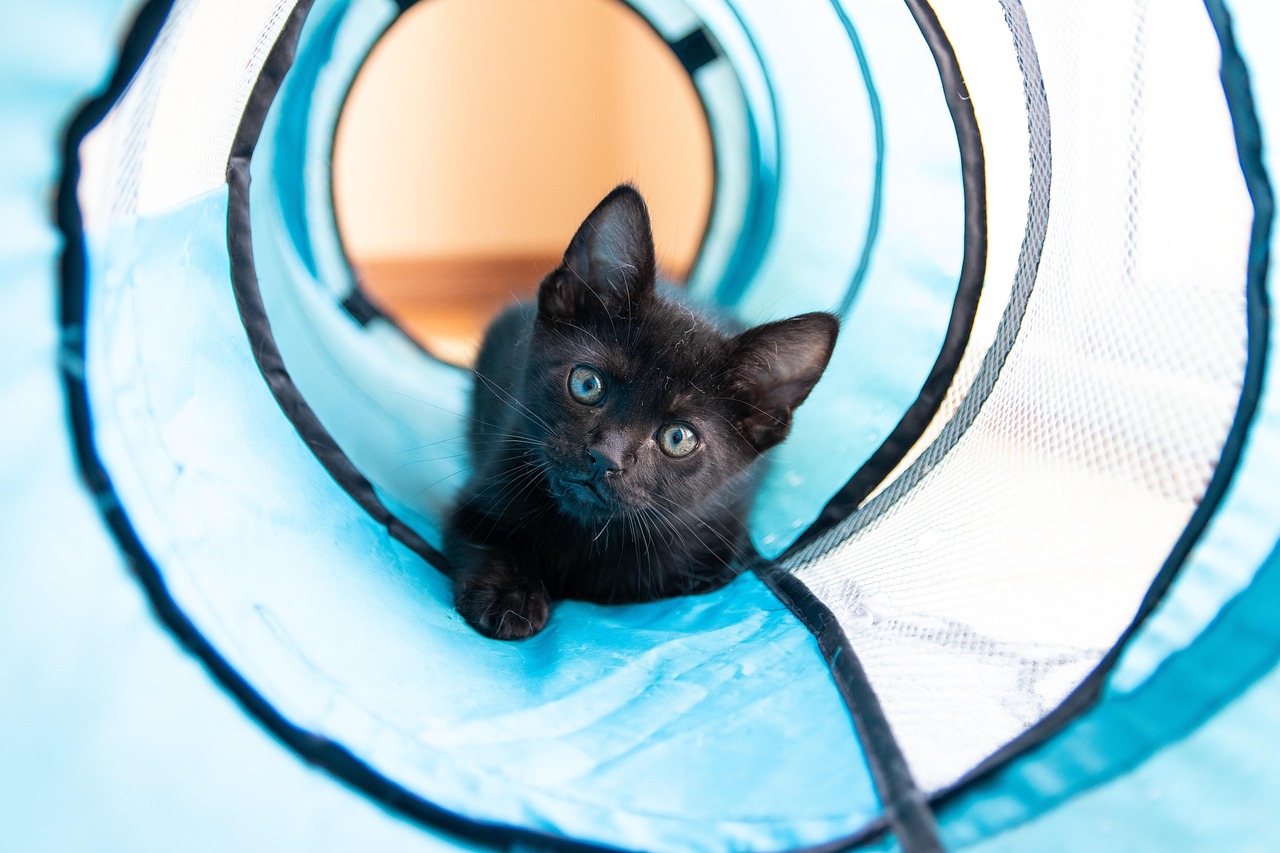
To promote healthy play behavior, understanding your cat’s preferences and personality is essential. Start by introducing various types of toys, observing which ones elicit excitement and engagement. Toys that mimic prey, such as feathered wands or small balls, tend to attract most cats. Additionally, exploring the use of different textures—such as soft, crinkly, or noisy—can help identify what captures your feline’s interest best. Make sure to offer toys that can be easily manipulated, ensuring they can engage independently as well. Interactive toys that dispense treats can provide added stimulation and motivation for play. Beyond toys, create an enriched environment with spaces for exploration, such as climbing shelves or tunnels. Incorporating multiple layers into the living space encourages cats to be active and engage in their environment, even if toys are absent. Finally, maintain consistent playtime for a strong emotional bond and a routine of stimulating activities. This investment fosters trust and understanding, leading to increased engagement with play and reducing the likelihood of behavioral issues. Active participation leads to enriched experiences for both the owner and the cat.
When considering your cat’s playtime, safety must also be paramount. Always check toys for potential hazards such as loose parts or non-toxic materials. Avoid providing small items that could lead to choking or injuries. Regularly inspect toys for wear and tear and replace them as necessary. Keep in mind that not all toys are appropriate for every cat; the right fit should cater to an individual cat’s personality and activity level. Some cats may thrive on high-energy play, while others might prefer quiet interaction. Develop a dedicated safe space for play where cats can explore without risks, allowing for free exploration and safe interaction with various toys. Additionally, never leave strings or ribbons unattended, as they pose risks of entanglement or ingestion. Discard any broken toys immediately to prevent accidents. Being proactive about safety ensures play remains enjoyable, minimizing stress for both owners and their pets. Making responsible decisions regarding toys not only promotes fun but also fosters a healthy and secure environment. Thus, prioritizing safety during play can enhance your cat’s life and overall happiness.
Conclusion: The Vital Role of Play in Feline Well-Being
Play is undeniably a cornerstone of feline health and wellness, enriching their lives in multifaceted ways. Understanding the various aspects of play behavior in cats can lead to improved relationships and reduced behavioral complications. By recognizing the importance of play for physical stimulation, emotional satisfaction, and social bonding, pet owners can create engaging play routines that foster happiness. Paying attention to individual preferences in play styles further enhances experiences for both cats and their humans, ensuring a fulfilling companionship. As cat care evolves, embracing the significance of play should remain a priority for all cat owners and enthusiasts. Combining stimulating environments, attention to safety, and diverse toy options creates a holistic approach to cat care. This understanding also extends to recognizing the age-related changes in play behavior, allowing for tailored experiences that cater to varying levels of activity and engagement. Ultimately, a well-played cat is a happier, healthier cat. As you cultivate a playful environment, you contribute to a more enriched life experience for your feline friends, strengthening the invaluable bond shared between pets and their owners.
With knowledge on the importance of play behavior for cats, you are now better equipped to incorporate this essential aspect into your routines. By maintaining a focus on play as a key element of feline wellness, you can expect positive outcomes in your kitty’s behavior and overall quality of life. Not only does play enhance the happiness of your beloved pet, but it also contributes to a positive shared experience for both of you. By fostering an environment enriched with opportunities for fun and engagement, you ensure that your cat remains physically active and emotionally fulfilled. Ultimately, committing to an enjoyable play routine paves the way for a thriving indoor feline, promoting a longer and more satisfying companionship alongside their human counterparts. Caring for a cat goes beyond feeding and shelter; understanding the deeper needs of feline companions enriches the relationship. So, make playtime a priority, and enjoy the countless benefits that arise from this delightful activity. Cats are naturally playful creatures, and allowing them to express this behavior enhances their well-being. Moreover, encouraging play leads to happier cats and fulfilling experiences as loving pet owners.