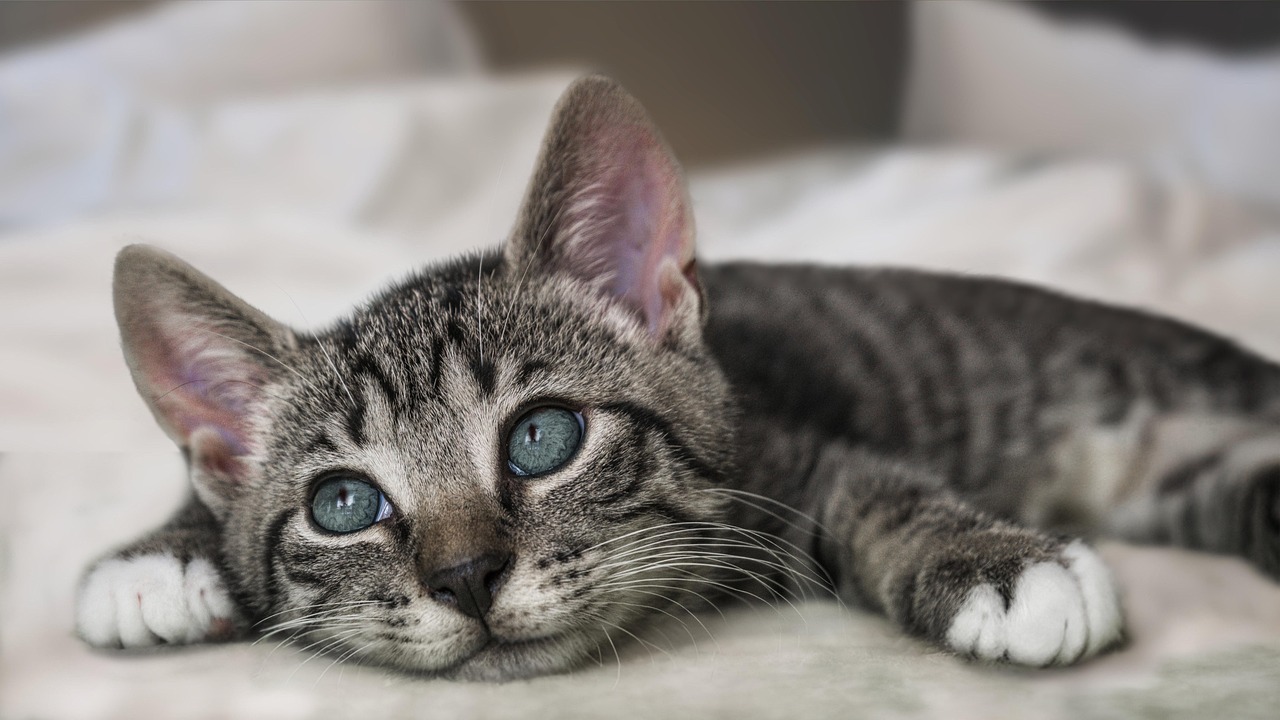

Recognizing Cat Stress During Introduction to Other Pets
Introducing a new pet into your home can create a variety of stressors for existing cats. Understanding the signs of stress in cats can significantly ease this transition. One primary indicator is behavioral changes; they may act more reclusive or aggressive. Additionally, stress can lead cats to avoid their usual activities like playing or eating. Signs might also include increased grooming or vocalization. If your cat suddenly becomes less active, it’s imperative to pay attention. Physical symptoms such as changes in appetite or litter box habits are also telling signs of distress. A healthy cat will maintain certain behaviors, so any significant deviations should be noted. Establishing a routine and providing safe spaces can help mitigate stress. It’s vital to allow your cat to explore the new environment at their own pace. Monitoring their interactions with new pets and involving them in positive behaviors will help. If stress persists, a consultation with a vet may be necessary. Remain observant, keep a watchful eye, and take proactive measures to ensure your environment remains harmonious for your pets.
Managing your cat’s introduction involves strategic planning and monitoring. The first step is to designate separate spaces where the new pet and your cat can adjust. Initially, it’s beneficial to provide both pets with their own areas to minimize direct confrontation. Gradually, allow them to sniff each other through barriers, like a closed door. After some time, swapping bedding between the animals can help familiarize them with each other’s scent. Positive reinforcement is crucial during these interactions. Encourage your cat by rewarding calm behavior with treats and affection. Regularly assess their reactions, watching for signs of stress such as hissing or hiding. Providing plenty of enriching activities and toys can distract your cat during initial introductions. Using pheromone diffusers may also create a calming environment. It helps alleviate anxiety related to the changes in their surroundings. Pay attention to visual cues like ears flattening or tails puffing, as they signal distress. If your cat displays such behaviors, ensure they have a safe retreat available. Gradually increasing exposure will help build comfort levels and encourage a peaceful, cohabitive environment.
Signs of Stress in Your Cat
Identifying stress in your cat is crucial for their well-being. Common signs include excessive grooming, which can lead to bald spots. If you notice your cat spending more time cleaning themselves than usual, this can indicate anxiety. Furthermore, altered eating habits can be particularly telling; a cat may refuse to eat or overeat due to stress. Additionally, watch for changes in vocalization; cats may meow more often or louder in stressful situations. Withdrawing from social interactions is another key behavior, as stressed cats may hide more frequently. Litter box issues often arise when a pet feels stressed. A cat might avoid their litter box or urinate outside it. Monitoring these behaviors over time can provide clarity regarding your cat’s emotional state. Understanding these indicators allows a pet owner to take timely action. Create a stress-free environment by ensuring their needs are met, including access to food, fresh water, and safe spaces. Regular playtime can also help alleviate stress, providing a productive outlet for their energy. Observing and responding appropriately can greatly impact your cat’s health and happiness.
Creating a comforting environment is essential for your cat. Providing familiar items can help reduce feelings of anxiety. Examples include their favorite blankets, toys, or even pheromone sprays. These familiar scents create a sense of security amid changes. When introducing a new pet, keeping routines consistent is equally important. Regular feeding and playtimes give a sense of normalcy to your cat. It’s critical that your existing cat feels involved in the process, minimizing feelings of abandonment. Engaging in structured introductions rather than abrupt interactions often leads to better outcomes. Create a separate space for the new pet, allowing for comfortable exploration. Gradually introducing them through short supervised visits prevents overwhelming either animal. Observe both pets’ body language, noting any signs of fear or aggression. You should be prepared to separate them if needed. Protective measures, such as baby gates or separate rooms, can ease tensions. After some time, increase their interaction duration based on their comfort levels. Successful introductions take patience, but proactive measures can lead to a harmonious household in time.
Positive Reinforcement Techniques
Utilizing positive reinforcement techniques plays a significant role in helping your cat adapt. Rather than punishing negative behaviors, rewarding calmness helps create a peaceful environment. Use treats, your cat’s favorite toy, or affectionate words to encourage desirable behavior. For example, if your cat remains calm around the new pet, reward them immediately. This positive reinforcement builds associations between the new pet and good outcomes. Gradually increasing exposure to the new pet can yield confidence in your cat. Tracking their progress over time helps gauge improvement and adjust strategies as needed. Establishing a routine around interactions reinforces structure and predictability, making your cat feel secure. Regularly offering interactive playtime before and after introductions alleviates tension. Engaging in regular affection and praise ensures your cat knows they are safe and loved. It is essential to be patient during this process, as change can be emotionally taxing. Over time, your cat will learn to adapt, fostering a calmer coexistence. A nurturing approach ensures that both pets feel secure and valued during this significant transition.
In some instances, if stress continues to escalate despite your efforts, consulting a veterinarian is wise. A professional can provide insight into behavioral patterns and potential underlying issues. Sometimes, stress can be due to health problems, and a vet may suggest treatments or therapies. Discussing the issue openly with a vet allows for a well-rounded understanding. They may recommend changes in management or suggest medications that alleviate anxiety. It may also be beneficial to consult an animal behaviorist for specialized guidance. They can provide tailored strategies for your specific situation. Ensuring your cat’s mental health is as important as their physical health. Support from professionals can significantly enhance the transition experience for your furry friends. Implementing additional strategies could provide the relief they need to feel secure. Remaining patient and avoiding rushing the process is crucial. Each pet has a unique personality and adjustment timeline. Regular reassessment of individual situations is essential as well. With the right approach and support, your cats will likely find common ground.
Conclusion: A Harmonious Household
Creating a harmonious household with multiple pets requires dedication and understanding. By recognizing and addressing stress in your existing cat during introductions, you can pave the way for peaceful coexistence. Taking proactive measures, such as establishing routines and utilizing positive reinforcement techniques, can mitigate anxiety. Monitor your cat’s behaviors closely, providing support and comforts where needed. Each pet deserves a nurturing environment to thrive and feel safe. With careful observation and management, the introduction of a new pet can be a positive experience. Patience, understanding, and love are critical elements during the adjustment period. Establishing safe spaces, regular interaction, and encouragement results in a more settled household. Over time, it’s possible for both pets to coexist and bond. Remember to celebrate small victories in the process; these moments build trust and ease transitions. A well-balanced environment is worth the effort for you and your beloved pets. Ultimately, fostering compatibility among pets leads to a better quality of life. While challenges may arise, commitment to a shared space will cultivate love and companionship.
Always prioritize the mental and emotional health of both your existing and new pets. Maintaining a calm and structured environment facilitates healthy interactions and relationships among your animals. As with any adjustment, allow both pets the time they need to acclimate to changes. Monitoring behaviors over time is crucial for recognizing improvement or distress. Enjoy the journey of integrating a new pet into your family while understanding the unique needs and personalities of each animal. Your commitment to observing, learning, and adapting will ensure a smooth transition. In doing so, you build a loving and cooperative community for your furry friends.