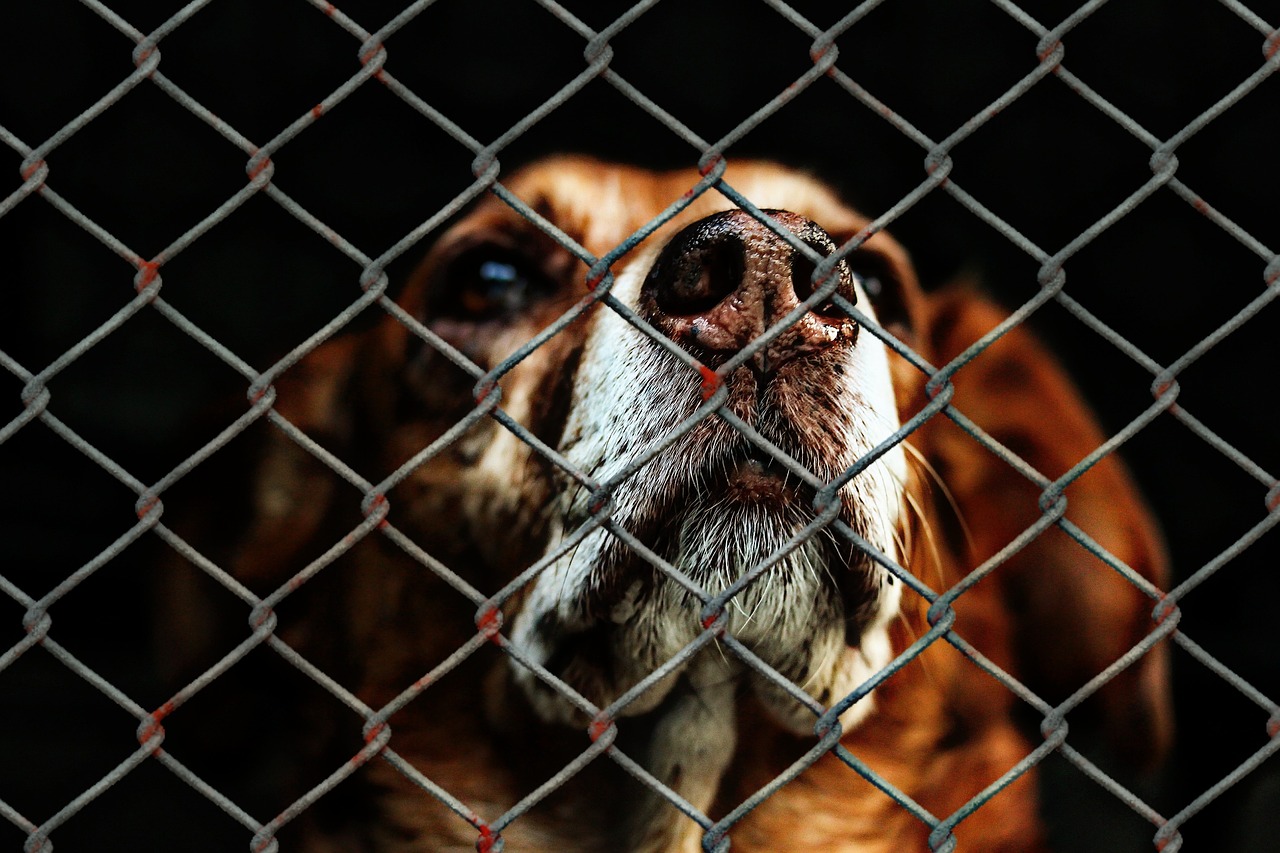

Fighting for the Voiceless: Dog Rescue and Animal Law in Action
The connection between dog rescue stories and animal law is profound. Lawyers and advocates work tirelessly to ensure justice for abused and neglected animals. They bring attention to cases where dogs are victims of cruelty. These legal actions not only aim for punishment but also promote awareness of animal rights. Many rescue organizations collaborate with legal professionals to navigate the complexities of animal welfare laws. For instance, when a rescue dog is returned to a neglectful owner, lawyers often step in to intervene. They argue for stricter enforcement of animal protection laws. Furthermore, public advocacy plays a crucial role in changing perceptions about animal cruelty cases. Dog rescue stories resonate with communities, fostering empathy and motivating action. Media coverage amplifies attention on the plight of voiceless dogs. Community involvement enriches these legal battles. People often rally together to support law changes that benefit animals. Engaging the public creates a collective push for justice. It’s this collaboration between animal advocates and legal experts that leads to significant victories. Ultimately, these efforts champion the causes of those who cannot speak for themselves, making a lasting impact across regions.
Understanding the legal framework surrounding dog rescue is essential for effective advocacy. Animal welfare laws vary across states, influencing how rescue organizations operate. Each jurisdiction establishes protocols regarding animal rescue procedures and penalties for abuse. Knowledge of these regulations empowers advocates to address legal issues proficiently. For example, some regions have strict laws against puppy mills, emphasizing the importance of adopting rather than shopping. Additionally, coordination between shelters and legal entities streamlines the rescue process. Equipped with legal expertise, rescue organizations can navigate complicated cases more efficiently. They can challenge inadequate state laws that fail to protect dogs adequately. Moreover, animal law serves as an effective tool in fighting against cruelty. Through various legal channels, advocates can push for harsher penalties against offenders. Victims of neglect may be placed in protective custody while legal proceedings occur. Increased collaboration between legal systems and dog rescues facilitates faster interventions. Educating the public about these laws ensures a more informed approach to animal welfare. Furthermore, public pressure on lawmakers can lead to better protections for rescued dogs. Advocates can utilize dog rescue stories to highlight the need for legal reforms in their campaigns for justice.
The Emotional Impact of Dog Rescue Cases
Each dog rescue story carries an emotional weight that resonates deeply with communities. These narratives reveal the horror faced by many abandoned or abused animals. When individuals hear these stories, they often feel compassion and an urge to help. These emotions drive people to volunteer time and resources toward rescues. Local shelters frequently share dramatic tales of transformation featuring rescues finding forever homes. These success stories illustrate dogs overcoming adversity, capturing the hearts of potential adopters. Furthermore, incidents that involve legal battles often attract significant public interest. The emotional investment in these cases brings people together, creating support networks for rescues. Over time, communities rally for change, advocating for stricter animal protection laws. High-profile cases can serve as catalysts for national attention, inspiring activism on a broader scale. Social media campaigns amplify these stories, making them more accessible to the general public. People unite in their outrage against injustices faced by dogs. The passion ignited by these emotional connections nurtures a more compassionate society. Consequently, dog rescue stories become instrumental in promoting legislative change and advancing animal welfare initiatives, ensuring greater protections for dogs across the nation.
Legal intervention in dog rescue cases brings hope to voiceless animals who suffer. Each case provides a chance for societal reflection on how dogs are treated. These legal battles reveal systemic issues in animal protection. Documenting rigorous abuse cases pushes for greater accountability from individuals and organizations alike. Effective legal representation can significantly alter outcomes for rescues in distress, ensuring they remain safe. Furthermore, the activism surrounding these cases often leads to meaningful change at the legislative level. Advocates work diligently behind the scenes to push for stronger animal laws and regulations. Collaborations between law enforcement and rescue organizations foster a proactive approach to addressing cruelty. Engaging the community in these efforts is crucial; public awareness amplifies the urgency behind legal reforms. Partnerships with educational institutions can enhance advocacy campaigns, providing valuable resources for community outreach. Aspiring lawyers with a passion for animal welfare may establish pro-bono programs to assist rescues. Such initiatives aim to break down barriers that hinder effective legal support, fostering inclusivity. Ultimately, these combined efforts possess the power to reshape the landscape of dog rescue. This continuous evolution of animal law emerges in response to the enduring fight for justice for all dogs.
The Role of Advocacy Groups in Legal Matters
Advocacy groups play a pivotal role in dog rescue stories and animal law. These organizations serve as a bridge between legal professionals and the communities they protect. They raise crucial awareness regarding the rights of animals, providing resources for concerned citizens. Individuals often rely on advocacy groups to guide them through the animal welfare landscape. For example, many groups provide educational materials on local laws and proper reporting procedures for suspected abuse. These resources empower citizens, creating a collaborative strategy for intervention. Furthermore, advocacy groups frequently team up with law enforcement to monitor potential abuse cases. This collaborative effort increases accountability among dog owners, deterring future infractions. They can also lend their voices to broader campaigns aimed at legislative reform. Through public demonstrations, petitions, and awareness programs, advocacy groups elevate the urgency for change. Their work promotes a supportive network for individuals wishing to combat animal cruelty. Additionally, they often collaborate with rescue organizations, ensuring effective communication in rescue missions. By fostering relationships among various stakeholders, advocacy groups enhance the overall effectiveness of dog rescue efforts. These influential entities ultimately champion the voiceless in the quest for justice in the legal system.
The journey of a rescue dog is often fraught with challenges. From being abandoned or abused to finding a loving home, each step requires considerable resources. Legal backing enhances the possibilities of success during these transitions. Rescue organizations frequently face legal hurdles that can impede their efforts. Instead of solely focusing on rescue, many groups invest time in legal advocacy as well. This dual approach ensures that systemic issues affecting rescues are addressed. Understanding the legal implications of their work allows organizations to navigate challenges more effectively. They can influence policy changes by engaging with lawmakers to strengthen existing animal welfare laws. Moreover, successful litigation sends a powerful message that cruelty will not be tolerated. Victory in court can lead to increased funding for rescue efforts and greater public support. The emotional weight of a dog’s story often resonates well with juries, helping to foster empathy. Consequently, legal victories bolster nonprofit efforts, catalyzing community involvement. By raising public awareness of the legal aspects of dog rescue, advocates inspire new generations to continue this vital work. This collective action strengthens efforts to offer protection to the most vulnerable members of our communities.
Future Steps for Animal Law Advocates
The development of animal law is an ongoing process that requires continuous attention. Advocates must remain vigilant in their efforts to support rescue organizations. This includes staying informed about changing legislation and emerging legal trends. Effective advocacy often necessitates ongoing education and training for professionals involved in animal law. By attending workshops and conferences, advocates can sharpen their skills. Working together with other disciplines, including veterinary professionals, enhances coordinated rescue efforts. Collaboration fosters comprehensive strategies that address a wide range of challenges within the realm of animal welfare. Moreover, advocates must work to create strong community relationships to strengthen their impact. Engaging with local schools, businesses, and volunteer groups effectively raises awareness. These partnerships can lead to innovative solutions to longstanding issues. Social media also provides a powerful platform for promoting dog rescue stories. Use creative campaigns to spotlight the importance of animal law. Ultimately, the goal is to foster a culture of compassion towards vulnerable animals. By continuously investing time and resources into advocacy efforts, we can pave the way for significant advancements. Each step contributes to a future where every dog receives the protection they deserve.
In conclusion, the intersection of dog rescue stories and animal law is fundamental in advocating for voiceless beings. Legal frameworks serve to protect these animals while providing mechanisms to address cruelty. Engaging with communities through rescue stories fosters empathy and spurs action for change. Importantly, advocacy groups help facilitate a streamlined approach to rescue operations. Their collaboration with legal entities ensures that rescues are not only saved but also protected from future harm. Ongoing education for advocates remains vital to tackle ever-evolving legal challenges. Monitoring legislative changes contributes to more significant victories in animal welfare policy. Community awareness campaigns play an essential role in advancing the cause. When individuals unite to champion these legal battles, it amplifies the urgency for justice. Future success hinges upon the collective commitment of rescuers, advocates, and communities to remain dedicated to the cause of ensuring animal welfare. This collaborative effort will ultimately shape the legislative landscape, ensuring that all dogs can enjoy lives free from cruelty and neglect. The journey toward justice may be long, yet each success signifies a step in the right direction for all dogs in need of rescue and protection.