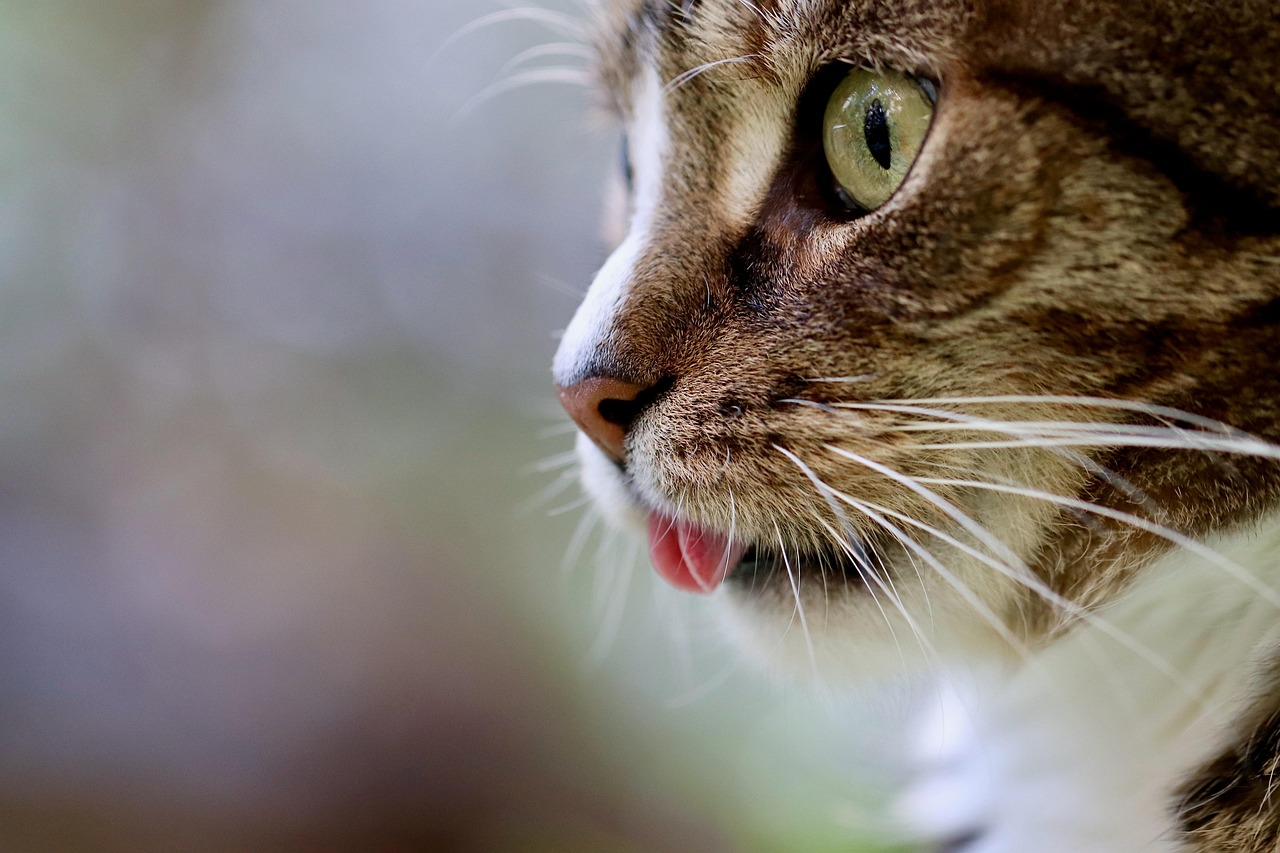

How Parasites Impact the Health of Senior Cats
As our feline companions age, they become more susceptible to various health issues, including parasite infestations. Parasites can significantly impair the wellbeing of senior cats. Common parasites that affect them include fleas, ticks, and intestinal worms. These unwanted guests are not merely a nuisance; they can lead to serious health complications. Senior cats often have weaker immune systems, rendering them vulnerable to severe infections. The consequences of unchecked parasite infestations can be grave, necessitating vigilant monitoring and preventive care. It is essential to note that parasites can cause anemia, digestive problems, and lethargy. Symptoms such as weight loss, vomiting, and changes in behavior may indicate an underlying parasite issue. Correct diagnosis and timely treatment are critical in managing these infestations effectively. Regular veterinary check-ups are essential for early detection of parasites. Moreover, preventive treatments can help safeguard their health. In addition to parasitic threats, senior cats often have concurrent health problems that can exacerbate the impact of parasites. Pet owners should focus on providing suitable nutrition and proper veterinary care for their senior cats.
Recognizing Parasite Symptoms
Understanding how to identify potential parasite infections in senior cats is essential for timely intervention. Symptoms vary depending on the type of parasite and the affected system. Common indicators include excessive scratching, hair loss, or visible fleas on your cat’s fur. Weight loss or poor coat condition might also signal internal parasites like worms. If your cat is vomiting, has diarrhea, or shows signs of lethargy, these symptoms can also indicate a parasite infestation. Frequent litter box visits or changes in bowel habits may suggest intestinal issues caused by worms. Senior cats may also experience discomfort or pain due to parasites, which can manifest in changes in behavior. It is vital to monitor your feline friend closely for any concerning changes in health or behavior. Once these symptoms are observed, it’s crucial to consult a veterinarian promptly. A veterinarian can provide fecal testing to confirm the presence of intestinal parasites and recommend appropriate treatment. Preventive measures such as regular deworming treatments can significantly reduce the risk of such infestations. Always be proactive in caring for the health of your senior cat.
The effects of parasites on senior cats can also extend to their mental health. Senior cats may experience stress and anxiety due to infestations. The presence of irritating fleas or the discomfort associated with worms can lead to behavioral changes. Your pet may become more withdrawn, less active, or exhibit aggression. Because they associate their discomfort with their environment, they might show uncharacteristic behavior. This change can cause distress for both the cat and its owner. Additionally, chronic discomfort can lead to a rollercoaster of emotions for your feline companion. An anxious pet may lead to further health complications, forming a vicious cycle that can significantly harm their quality of life. To address these feelings, ensure your cat has a safe and comfortable environment. Create a peaceful space for your pet, away from stressors. Regular bonding activities, such as grooming sessions or gentle play, can help alleviate anxiety caused by parasites. Regular vet visits are paramount in controlling parasites early. Creating a consistent care routine for parasite prevention greatly contributes to maintaining your senior cat’s happiness and stability.
Preventive Measures for Senior Cats
Preventing parasite infestations in senior cats involves a multi-faceted approach. Owners should collaborate with veterinarians to choose suitable preventive treatments tailored to their cat’s needs. Various options are available; topical treatments, oral medications, and preventive collars are excellent choices. These products can help keep your feline friend free from fleas, ticks, and worms. Keeping your living environment clean is essential for additional protection against parasitic infestations. Regularly vacuuming and washing bedding can eliminate any lingering pests and eggs. Avoiding potential exposure areas, such as heavily infested outdoor spaces, is also wise. In addition to medication, maintaining a balanced diet and healthy lifestyle is crucial. Nutrition plays a significant role in supporting the immune system of senior cats, enabling them to better fight off parasitic infections. Providing ample hydration supports their overall health and helps flush out any potential toxins. Regular exercise, even in short bursts, promotes physical health and vitality. Lastly, developing an ongoing relationship with your veterinarian ensures that your senior cat receives appropriate care and recommendations throughout their life.
Some cat owners may wonder if specific diets could help reduce the risk of parasite infestations. While diet alone cannot eliminate parasites, a balanced and nutritious diet can contribute significantly to a cat’s overall health and immune system function. Nutrient-dense cat foods can promote a strong immune response against infections. Look for cat foods containing high-quality proteins, vitamins, and minerals tailored for senior cats. Certain supplements, such as omega-3 fatty acids, may also enhance overall wellbeing. However, consult your veterinarian before introducing any new supplements or diet changes. It is crucial to provide a consistent feeding schedule, as it helps maintain regular digestive health. Hydration is equally important; ensure your cat has access to fresh water at all times. Cats often do not drink enough water, leading to potential health risks, including urinary tract issues alongside parasitic infections. If your cat experiences difficulty consuming solid food, consider wet food options that can offer hydration while providing nourishment. Remember, a holistic approach combining veterinary care, diet, and preventive measures will assist in keeping your senior cat healthy and parasite-free.
Managing Existing Parasite Infections
Upon identifying a parasite problem in your senior cat, immediate action is required to prevent further health decline. Seek veterinary assistance for appropriate diagnosis and treatment strategies as soon as possible. Your veterinarian may recommend a combination of medications, including dewormers or flea treatments, tailored to your cat’s specific needs. It is crucial to follow the prescribed treatment regimen to ensure the parasites are fully eliminated. In some instances, follow-up treatments may be necessary to eradicate any remaining pests. Monitoring your senior cat’s health closely during the treatment phase is also essential. Keep track of their symptoms and any changes in behavior or appetite. Consistent check-ups are beneficial to assess their recovery progress. Maintain a clean environment by thoroughly cleaning various surfaces and washing bedding where your cat sleeps. Eliminating parasite eggs and larvae can create a healthier habitat for your pet. Offering unwavering love and comfort during this challenging time is important. Cats thrive on the emotional support of their owners. This personal touch helps ease their anxiety while they battle their parasite issues.
Caring for senior cats requires a proactive approach to their health, especially concerning parasite control. Regular preventative measures, coupled with rapid responses to infections, form the cornerstone of maintaining their wellbeing. Owners should acknowledge age-related vulnerabilities and stay vigilant in monitoring their pets for signs of parasites. The implications of parasites extend beyond mere annoyance; they can significantly influence the quality of life for senior cats. Therefore, ensuring that cats receive a proper diet, regular veterinary visits, and the necessary treatments can enhance their ability to resist parasites. Developing a health care routine tailored to your feline companion’s needs can make a considerable difference in promoting their longevity and happiness. Understanding the full scope of potential parasite impacts means owners can provide comprehensive care. This includes monitoring health, behavior changes, and early intervention when issues arise. The goal is to foster an environment where senior cats can thrive without the undue stress of parasitic threats. Ultimately, a well-rounded approach to pet care can ensure that these beloved companions enjoy their golden years in comfort and joy.
Conclusion: The Importance of Awareness
In conclusion, understanding the impact of parasites on senior cats is vital for their health and happiness. Awareness proactive measures ensure your feline friends remain safe from these threats. By recognizing signs and symptoms, you can take the necessary action to prevent or address infestations. Engaging in regular veterinary consultations, well-balanced diets, and preventive treatments can significantly improve a senior cat’s quality of life. The emotional wellbeing of your pet should also remain a priority. Owners play a critical role in providing support, comfort, and love, helping their feline companions navigate through health challenges caused by parasites. Remember that early detection is key to effective treatment, so maintaining a keen eye on your cat’s status will help you respond appropriately. With a dedicated approach to caring for senior cats, parasites can be effectively managed, ensuring your pet remains vibrant and joyful in their twilight years. A safe and clean living environment paired with ongoing preventative care is essential for your cat’s wellbeing. Together, through education and action, we can promote healthier lives for our beloved senior feline friends.