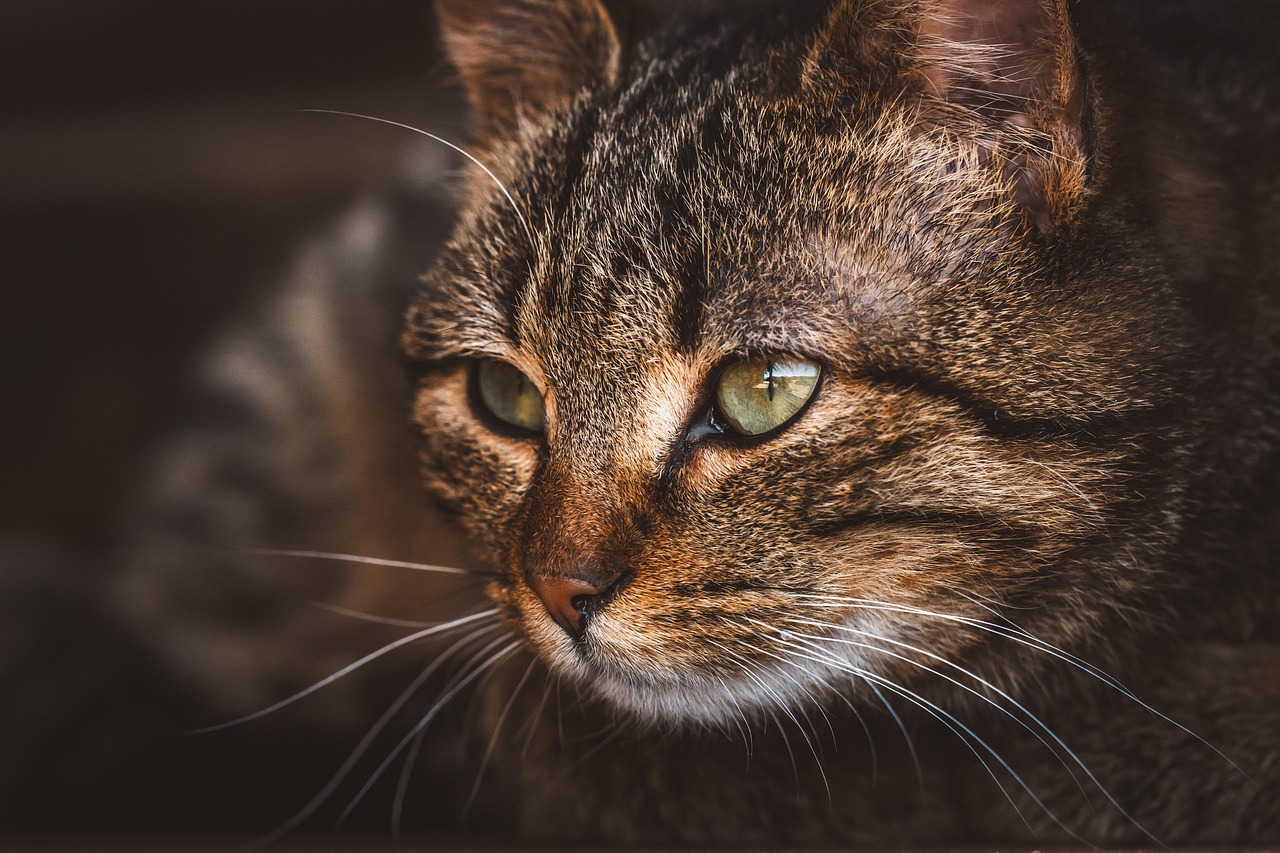

Best Practices for Introducing Cats to Camera Equipment
When planning a photo session with your cat, it’s essential to understand how to introduce your furry friend to camera equipment. Cats can be sensitive to unfamiliar objects, so gradual exposure is vital. Start by placing the camera case or other gear in an area where your cat likes to roam. Let your cat explore and sniff the equipment at its own pace. It’s crucial to maintain a calm environment to avoid startling your feline companion. Use treats as positive reinforcement to associate the camera with positive experiences. You can also incorporate the camera into play sessions, holding it far away while engaging your cat with toys. This method will make your cat accustomed to your equipment, creating a sense of safety. Additionally, make sure to turn on different lighting equipment in advance to help your cat adjust to new sights. Patience is key, as every cat has unique reactions. Prepare for varying responses while maintaining your cat’s comfort throughout the process. With careful planning and encouragement, your cat will adapt beautifully to camera sessions, making for more enjoyable photo opportunities.
Once your cat seems comfortable with the presence of photographic equipment, it’s time to prepare for the actual photo session. Create a designated space within your home for taking photos, where your cat feels relaxed. Consider using familiar items such as blankets, toys, or even their favorite spot, which helps them feel at ease. This approach encourages natural behavior and expressions instead of forced poses. Make the environment inviting and avoid clutter to minimize distractions during the shoot. Soft lighting and neutral backgrounds can prevent overwhelming your cat, helping them focus. You might also try using a tripod to keep the camera steady and reduce noise, as sudden movements can spook your furry friend. Observe your cat’s behavior and allow breaks to avoid excessive stress during the session. Frequent talking and gentle verbal encouragement help set a positive tone. Capturing your cat’s true personality requires patience and understanding. When your feline friend feels safe, it will lead to some extraordinary candid shots. Keep your camera’s settings adjusted for different lighting and angles to ensure the best possible results.
Using Treats and Toys to Engage
During your photo sessions, using treats and toys strategically can help keep your cat engaged and cooperative. Make sure to have a selection of their favorite treats on hand, which can motivate your cat to participate in the shoot. When positioning your cat, you can use treats to draw them into various spots or create alluring poses. Additionally, using a favorite toy as a focal point can help direct their attention where you need it most. You may also want to employ interactive toys like wands or laser pointers to get your cat to play and display their personality naturally. Allowing your cat to explore playfully will lead to more dynamic photos, showcasing their unique traits. Be mindful of your cat’s preferences—some may prefer quieter interactions, while others enjoy playing actively. Monitor your cat’s energy level throughout the session, and don’t hesitate to take breaks when needed. Above all, keep the atmosphere fun and lighthearted to avoid frustrating your pet. The more enjoyable the session, the more likely your cat will truly shine in the final photographs.
Another crucial aspect of cat photography is allowing ample time for your feline to acclimate to the entire setup. Set aside extra time for each session, allowing your cat to come and go as they please. Rushing the process can lead to stress, which isn’t conducive to capturing beautiful photos. Cats have their own schedules and play patterns, which might not align with your photography timeline. Respecting their natural habits will yield more authentic and captivating images. If your cat is in a playful mood, take advantage of that energy and snap candid shots instead of posed ones. It’s essential to observe your cat’s body language, as their comfort levels can change quickly. Look for signs of stress, such as hiding or flattened ears. If your cat appears anxious, don’t hesitate to pause and allow them time to relax. The ultimate aim is to create a connection with your pet during the shoot, leading to more engaging images. Keeping a calm demeanor will reassure your cat, establishing a sense of trust that can translate beautifully in your photographs.
Setting Up the Environment
Creating a conducive environment is key to successful cat photography. Ensure the space is free of distractions and noises that might frighten your cat. If possible, choose a quieter time of day when your home is more serene. Natural light works best for cat photos, so position your setup near windows or in well-lit rooms. Make use of props, like colorful backdrops or blankets, that appeal to your cat’s playful nature. Avoid using harsh artificial lights that can cause discomfort; instead, opt for soft, diffused lighting. Avoid moving items around during the shoot, as this can provoke anxiety. If you’re using a studio with flash equipment, introduce it gradually and give your cat time to adjust to its presence. The goal is to create a friendly space where your cat feels safe enough to express themselves freely. Consider using enclosed treats or visible toys to keep them entertained while you shoot. An engaging setup will encourage curious exploration, resulting in spontaneous and beautiful photographs that truly capture your cat’s essence.
When it comes to taking stunning cat photos, patience is an invaluable asset. Every cat has a unique temperament, and understanding your feline’s personality is essential for the process. Capture moments rather than enforce poses; more natural expressions will reveal the beauty of your cat’s character. Be ready to snap photos at any moment, as cats can transition from playful to calm in seconds. Avoid putting pressure on the session; instead, treat it as a fun opportunity to bond with your pet. The key is to understand when to focus on using treats or toys, while also allowing moments of stillness. Don’t forget to include different angles and heights during the shoot. Getting down on their level can make a tremendous difference in capturing those personal touches. Ultimately, a successful session hinges on mutual trust between you and your cat. As you become more attuned and observant to their behaviors, the photos will reflect the genuine connection you share. Remember, every click of the shutter is about celebrating your furry friend and preserving cherished memories.
Editing Your Cat Photos
After your photo session, spend time editing the pictures to create the best versions of your cat’s images. Editing allows you to enhance the colors, adjust the brightness, and highlight your pet’s features. Use editing software that you are comfortable with, ranging from simple apps to advanced programs. Start by sorting through the shots, discarding any that are too blurry or unflattering. Focus on the moments that showcase your cat’s personality. Play around with cropping and framing to ensure that your cat remains the focal point. Adding filters can give photos an artistic touch, but be cautious not to overdo it; you still want your cat to look like themselves. Consider sharpening the images slightly and adjusting contrast to make their fur textures pop. Sharing these carefully edited pictures through social media or family albums can help spread the joy of your pet far and wide. Not only does this create keepsakes but also strengthens the bond between you and your feline companion, transforming regular photos into treasured memories.
In conclusion, introducing your cat to camera equipment is a gradual process that emphasizes comfort and patience. Photography should be a fun and rewarding experience for you and your furry friend. By creating a stress-free environment, using treats and engaging with your cat playfully, you’ll capture authentic moments that truly reflect your cat’s personality. Always maintain a calm demeanor and respect their boundaries during sessions. Prioritize space, lighting, and your cat’s preferences to build a sense of familiarity with the equipment. Engage in frequent positive interaction, whether it’s through treats, toys, or simply allowing your cat to explore the setup. With these practices, you’ll not only enjoy photography but also create lasting memories with your cat. After the sessions, take time to edit photos carefully, ensuring they reflect your cat’s charm. Every photograph serves as a reminder of the relationship you’ve built with your feline companion, showcasing their personality in each shot. Embrace the experience of capturing their unique character while actively nurturing a bond that will only grow stronger over time.