
Preventing Matting in Older Cats: Special Care Guidelines
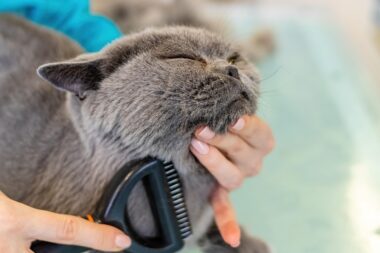
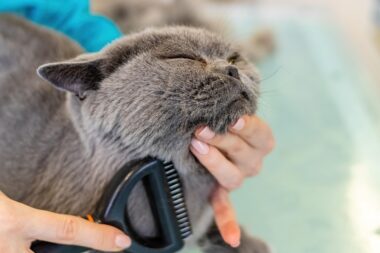
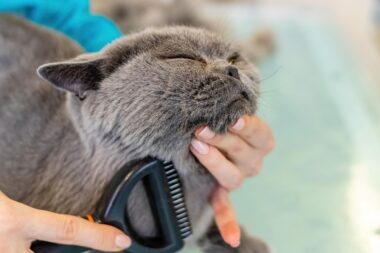
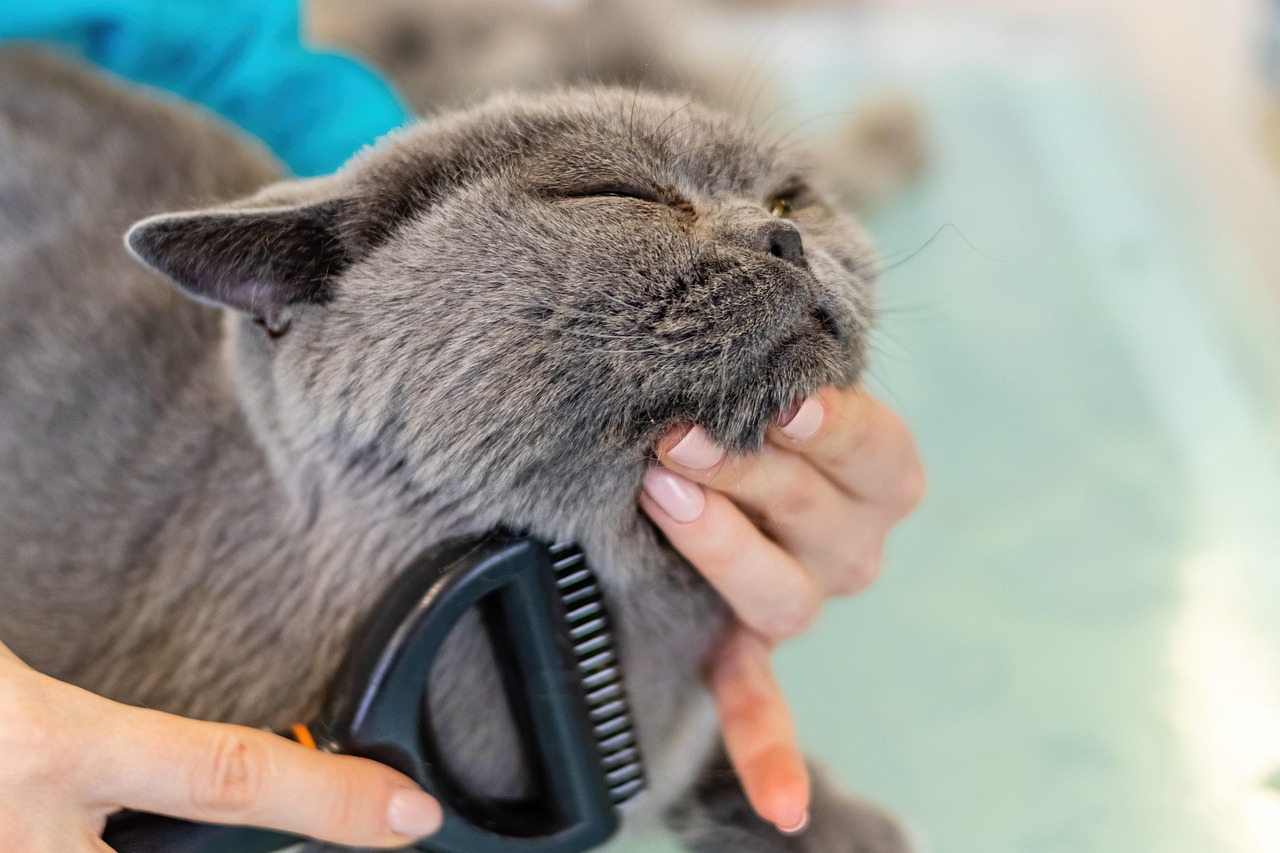
As our beloved feline companions age, they often face various grooming challenges, including the formation of mats and tangles in their fur. Older cats may have decreased mobility, limiting their ability to groom themselves effectively. Additionally, health issues can make grooming uncomfortable. Therefore, proactive measures are essential to maintain their coat’s health and prevent matting. Regular brushing is vital; aim for at least two to three times a week. Choose the right tools, such as soft-bristled brushes or wide-toothed combs, designed for your cat’s fur type. These tools will help remove loose hair and prevent tangles. Focus on areas prone to matting, like behind the ears, under the chin, and around the legs. Also, consider incorporating gentle grooming massages into your routine, which can enhance circulation and make grooming a more enjoyable experience for your pet. If you discover significant mats, do not attempt to cut them out yourself, as this could injure your cat. Instead, consult a professional groomer for assistance, ensuring your cat remains comfortable throughout the process.
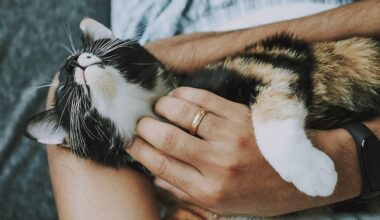
Bonding time during grooming is essential, especially for older cats who may feel vulnerable. Spend extra time petting and soothing your cat, as this can reduce anxiety associated with grooming. In particular, create a calm, quiet environment when you begin the grooming process. You should avoid loud noises and sudden movements that could startle your cat. Use treats and praise as rewards to encourage positive associations with grooming sessions. Over time, this can transform grooming from a chore into a bonding experience, allowing your older cat to feel secure and loved. It’s also crucial to monitor your cat’s behavior and physical condition as you groom. If you observe any signs of discomfort, such as flinching or hissing, take a break and assess their situation. Sometimes, underlying health issues may arise that require the attention of a veterinarian. Regular check-ups can identify potential problems early. Focus on the areas where mats are forming, but also handle the entire cat gently. This ensures that the whole grooming process remains a comfortable experience for your aged feline friend.
Nutrition’s Role in Coat Health
A balanced diet is paramount for maintaining a healthy coat and preventing matting in older cats. Make sure your cat is receiving high-quality food tailored to their age and specific health needs. Nutrient-rich diets, particularly those containing omega fatty acids, can significantly improve coat health, making it shinier and less prone to tangles. You might consider incorporating wet food into their diet; it can provide hydration and enhance their appetite. As cats age, their nutritional requirements change, so consulting your veterinarian is indispensable for selecting appropriate foods. Supplements may also support the skin and fur, particularly if your cat has specific health concerns. Remember to introduce any dietary changes gradually. Sudden shifts in diet can cause gastrointestinal upset, leading to further issues that complicate grooming. Additionally, always provide plenty of fresh water, as hydration impacts the skin and coat condition. Regularly monitor your cat’s weight and overall health, adjusting their diet as needed. A proper diet goes hand in hand with other grooming practices to promote a healthy, mat-free coat.
As your feline companion ages, it’s crucial to pay attention to any behavioral changes, including their grooming habits. Older cats may experience joint pain or arthritis, making it difficult for them to reach specific areas. Keep an eye out for signs of discomfort, such as decreased grooming frequency or rough patches in their fur. Addressing these issues early on can prevent more severe matting problems later. If your cat seems unwilling to engage in grooming or exhibits signs of pain when touched, it’s time to consult your veterinarian for further evaluation. They may recommend a tailored grooming schedule or suggest treatments that could improve mobility for your pet. Consider using supportive products like ramps or cat trees designed for older cats to facilitate their movement around the home. Additionally, regular veterinary visits can help detect underlying issues that might affect grooming. If necessary, discuss the possibility of having a professional groomer help ease the matting problem, especially if your cat requires more specialized care. Regular check-ups and observing behavioral changes are essential steps to prevent matting effectively.
Grooming Techniques for Senior Cats
When grooming senior cats, patience and care are critical. Their skin can become sensitive, so gentle handling is essential. Use slow, deliberate strokes while brushing to avoid causing discomfort. Focus on one small area at a time, and stop if your cat seems agitated or stressed. Selecting the right tools, such as a slicker brush or comb with rounded ends, can enhance comfort during grooming sessions. Short, gentle strokes will effectively remove loose hair without pulling on the skin, reducing the likelihood of mats and tangles. If your senior cat has particularly stubborn tangles, consider applying a detangling spray formulated for cats, which can ease the process. Always follow up with gentle rewards, such as treats or refreshing petting, to help your cat associate grooming with positive experiences. If mats are extensive, consult a professional groomer with experience in handling senior cats to help remove them safely. A tailored approach can ensure effective grooming while keeping your cat comfortable and relaxed throughout the process.
Regular ear checks are essential for older cats, and they’re an integral part of overall grooming, too. With age, some felines may develop ear issues, leading to discomfort and poor grooming habits. Keeping your cat’s ears clean not only promotes ear health but also supports their grooming routine. Check their ears weekly for debris, wax buildup, and signs of infection, such as redness or odor. If you notice irregularities, visit your veterinarian for expert advice on cleaning or treatment options. When cleaning their ears, always use a vet-approved solution and cotton balls to avoid damaging their sensitive skin. Avoid using cotton swabs, as they may push debris further into the ear canal. Consistent care can prevent other health problems that affect your cat’s wellbeing. Additionally, monitor their dental health, as older cats are prone to dental issues that might affect their appetite and grooming habits. Regular dental care can contribute to a healthier overall lifestyle, prompting your cat to maintain their grooming routines naturally. Understanding and addressing their complete health needs goes hand in hand with preventative grooming for older cats.
Seek Professional Assistance
If you’re finding it challenging to manage your older cat’s grooming needs, it’s essential to know that help is available. Professional groomers who specialize in senior cat care can provide valuable assistance. They understand the unique challenges aging cats face, including health issues and stress during grooming. This can significantly reduce the risk of injury or discomfort for both you and your pet. During a grooming session, they can skillfully remove mats and tangles while also ensuring your cat’s comfort. Additionally, groomers often have access to specialized tools that can make the grooming process more efficient and enjoyable. Use your vet’s recommendations or online reviews to find a trustworthy groomer in your area. You may also want to look for mobile grooming services who can come to your home. This can provide a less stressful experience for your cat. Regular visits can help keep matting at bay, allowing your cat to enjoy their golden years with a healthy coat and reduced grooming anxiety. Investing in professional grooming can free you from worry and ensure your cat’s coat remains beautiful.
In summary, preventing matting in older cats requires a multifaceted approach involving regular grooming, proper nutrition, and awareness of their health needs. By being proactive and attentive, you can create a comfortable grooming routine that fosters trust and reduces anxiety. Always choose tools that suit your cat’s specific needs, ensuring they are gentle and effective. Incorporating gentle massages and treating your cat positively during grooming can lead to a bonding experience that enhances your cat’s quality of life. Feeding your pet a balanced diet plays a critical role in maintaining a healthy coat, making it less prone to matting as they age. Understanding their physical limitations and adjusting your grooming techniques accordingly is essential for their comfort. Don’t hesitate to seek professional assistance when necessary; experienced groomers can help manage matting effectively and safely. Furthermore, regularly monitoring your cat’s health will help you address any potential issues early. Your commitment to their grooming is the key to keeping your older cat feeling beautiful and comfortable in their golden years. With the right approach, you can help your cat enjoy a healthy coat and a happy life.