
Surgical Options for Treating Heart Problems in Dogs
When a dog has heart problems, it often requires surgical intervention to restore health and improve life quality. Surgeries vary based on the specific heart issue a dog faces. Common conditions include valve disorders, congenital heart problems, and cardiac tumors. The first step is a thorough diagnosis, which often includes imaging techniques like X-rays and echocardiograms. These tools give veterinarians a detailed understanding of the heart’s structure and function. It’s crucial to assess the overall health of the dog before considering surgery. Factors like age, breed, and existing medical conditions may affect surgical outcomes. A specialized veterinarian will review the results and recommend a surgical approach tailored to the dog’s unique situation. This personalized plan aims to ensure maximum success and recovery. Owners must stay informed and discuss all possible options with their veterinarian before proceeding. Knowledge helps ease concerns and fosters a collaborative relationship. In essence, the right surgery can significantly improve a dog’s heart health and overall quality of life. Routine follow-ups and management plans remain vital post-surgery for successful rehabilitation and enhanced well-being.
Some of the primary surgical options include valve repair or replacement, septal defect closure, or cardiac tumor resection. Valve surgery becomes necessary when heart valves do not function properly, leading to heart murmurs and other symptoms. During valve repair, surgeons can correct the damaged valve to improve its function. If repair isn’t viable, replacement involves substituting the faulty valve with either a mechanical or biological one. Another common procedure is the closure of septal defects. These are holes in the heart’s septum that can cause inefficient blood flow. Surgical closure helps restore proper circulation and improve overall heart function. Meanwhile, for dogs with cardiac tumors, surgical resection remains a critical option. Tumors can impede heart function and cause various health issues. Resection aims to remove the tumor entirely, thereby alleviating any obstruction or pressure on the heart. Each surgical option has its risks, such as anesthesia complications or post-operative infection. Therefore, potential outcomes and risks should be thoroughly discussed with the veterinarian before surgery, ensuring pet owners make well-informed choices.
Minimally Invasive Surgical Techniques
Recent advances in veterinary medicine have led to the development of minimally invasive surgical techniques for treating heart problems in dogs. These methods aim to reduce recovery times and the physical impact of surgeries. For instance, techniques like endoscopic valve repair require only a small incision, allowing quicker recovery. Moreover, these procedures often result in less postoperative pain for the dog. Veterinarians may use advanced imaging technologies during these minimally invasive procedures, enhancing accuracy and effectiveness. The reduced trauma linked with these techniques results in faster recovery times compared to traditional surgery. Dogs typically experience shorter hospital stays and resume their daily activities more swiftly. Additionally, the chance of surgical complications tends to decrease with less invasive approaches. Owners should discuss the viability of these techniques with their veterinarian, as they might not be suitable for all cases. Evaluating each dog’s conditions is essential to ensure the best surgical option is chosen. The safety and well-being of dogs undergoing heart surgeries remain a top priority, and innovative methodologies continue to emerge, transforming veterinary cardiac care.
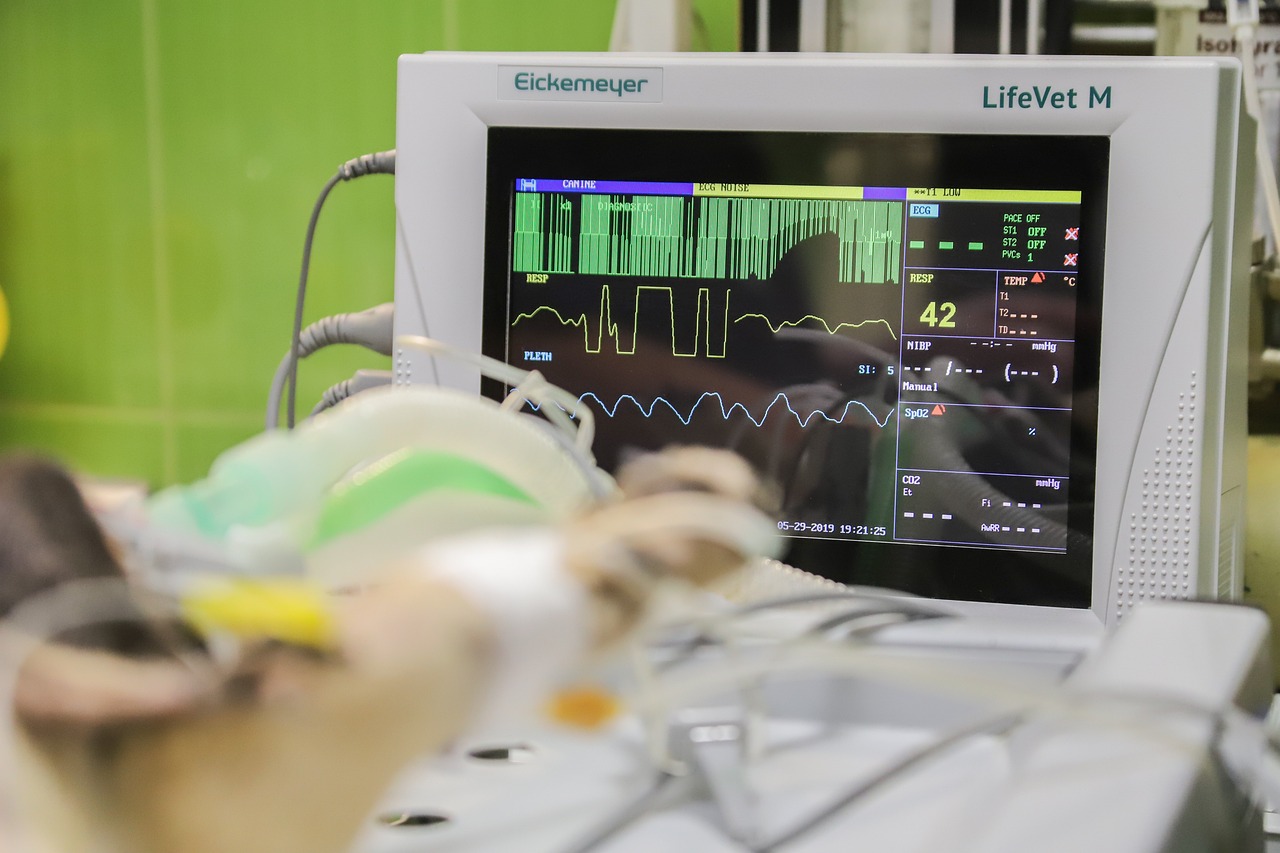
Another critical aspect of heart surgery for dogs involves comprehensive preoperative and postoperative care. Preoperative assessments should encompass a complete health evaluation and necessary diagnostics. Blood work, imaging, and possibly consultations from specialists before surgery remain key to ensuring a successful outcome. Postoperative care is just as vital; dogs require monitoring for any potential complications following surgery. This monitoring includes tracking their vital signs, managing pain, and ensuring a proper diet. Pain management can significantly influence recovery time and the dog’s overall comfort during the healing process. After surgery, follow-up visits become essential for assessing the heart’s function and determining the success of the procedure. Nutrition plays an important role in healing, and discussing post-surgical dietary changes with a veterinarian is advised. Dog owners should adhere to all postoperative instructions closely, as neglect can lead to complications, affecting recovery. Each dog’s needs are unique, and tailored care plans will yield optimal outcomes. Pet owners can also provide emotional support, contributing positively to their dog’s recovery process and mental well-being during this critical phase.
Long-Term Considerations for Dogs Post-Surgery
Following heart surgery, long-term management becomes crucial for sustaining a dog’s health and enhancing quality of life. Regular veterinary check-ups are essential to monitor the success of the surgery, as well as to identify any occurring complications early. Adjustments may be required in the dog’s medication regimen based on these evaluations. Furthermore, pet owners should maintain a close eye on their dog’s behavior, appetite, and energy levels for any signs of distress. It becomes vital to adhere to any prescribed exercise restrictions, as too much activity may jeopardize the recovery process. Tailoring a rehabilitation plan will be paramount, with gradual reintegration of physical activities as the dog’s condition improves. Diet should also be closely monitored; low-sodium diets are often recommended to help manage heart conditions in dogs. Moreover, owners should educate themselves about the signs of potential heart failure or complications. Recognizing these signals allows for timely interventions, which can make a significant difference. By remaining vigilant and proactive, pet owners can effectively contribute to their dog’s long-term heart health and overall happiness.
Moreover, understanding the potential risks of surgery and the possibilities of reoccurrence or complications serves as a crucial aspect of post-surgical care. Although many procedures yield favorable outcomes, complications may still arise. It’s essential for dog owners to be aware that not all surgeries guarantee complete problem resolution. In some cases, further medical interventions may be needed down the line. Engaging with veterinarians about potential risks and ongoing management options remains vital. Personalized follow-up plans ensure that every dog receives the treatment necessary to support their health goals. Some pets may require lifelong medication or additional therapies to manage their heart condition effectively. It’s also important to create a supportive home environment that fosters relaxation and reduces stress. Dogs, like humans, will benefit from structured routines that include emotional comfort and consistent care. Recognizing the importance of companionship within their recovery journey can significantly ease stress levels in pets. Emphasis should lie not only on medical treatment but also on emotional support. Achieving a happy, healthy life post-surgery is possible with collaborative efforts between owners and veterinary professionals.
Conclusion: Supporting Your Dog’s Heart Health
In conclusion, addressing heart problems in dogs through surgical options requires careful consideration and collaboration between pet owners and veterinarians. Understanding the various surgical procedures available helps in making informed decisions for the dog’s welfare. Continual attention to post-operative care, ongoing management, and emotional support is essential for ensuring the best outcomes. Pet owners play a crucial role in recognizing symptoms and advocating for their dog’s well-being throughout the entire treatment process. It is imperative to foster open communication with veterinary professionals for effective monitoring and adjustments as needed. Most importantly, emphasizing the overall heart health of dogs is a shared responsibility that extends beyond surgeries. Adopting a heart-healthy lifestyle through appropriate diet, exercise, and regular veterinary check-ups significantly affects life quality. With diligence and dedication, pet owners can help their dogs lead longer, healthier lives, minimizing the impact of heart issues. The journey doesn’t end after surgery, but rather transitions into a new phase of positive life changes. Ultimately, every effort counts in promoting a dog’s heart health and happiness, ensuring they remain cherished companions for years to come.
Heart surgery in dogs represents a significant step toward long-term health. Monitoring and adjusting treatment protocols after an operation is necessary to adapt to changing health needs effectively. By fostering a collaborative relationship with your veterinarian, you enhance your capability to manage your dog’s health challenges. The ultimate goal remains clear: improving the life quality of our canine companions while addressing any heart issues they may face. Meeting this objective requires a combination of surgical, medical, and lifestyle adjustments. Engaging in proactive measures allows pet owners to better navigate the challenges associated with canine heart conditions. From regular check-ups and empowering dietary changes to emotional support, all aspects contribute to improved outcomes. The more informed you are about your dog’s health, the better equipped you will be to help them. Each interaction with your veterinarian is an opportunity to learn, adapt, and make informed choices that positively influence your dog’s health trajectory. With ongoing dedication and love, dog owners can ensure they are doing everything possible to care for their furry friends throughout their health journeys.