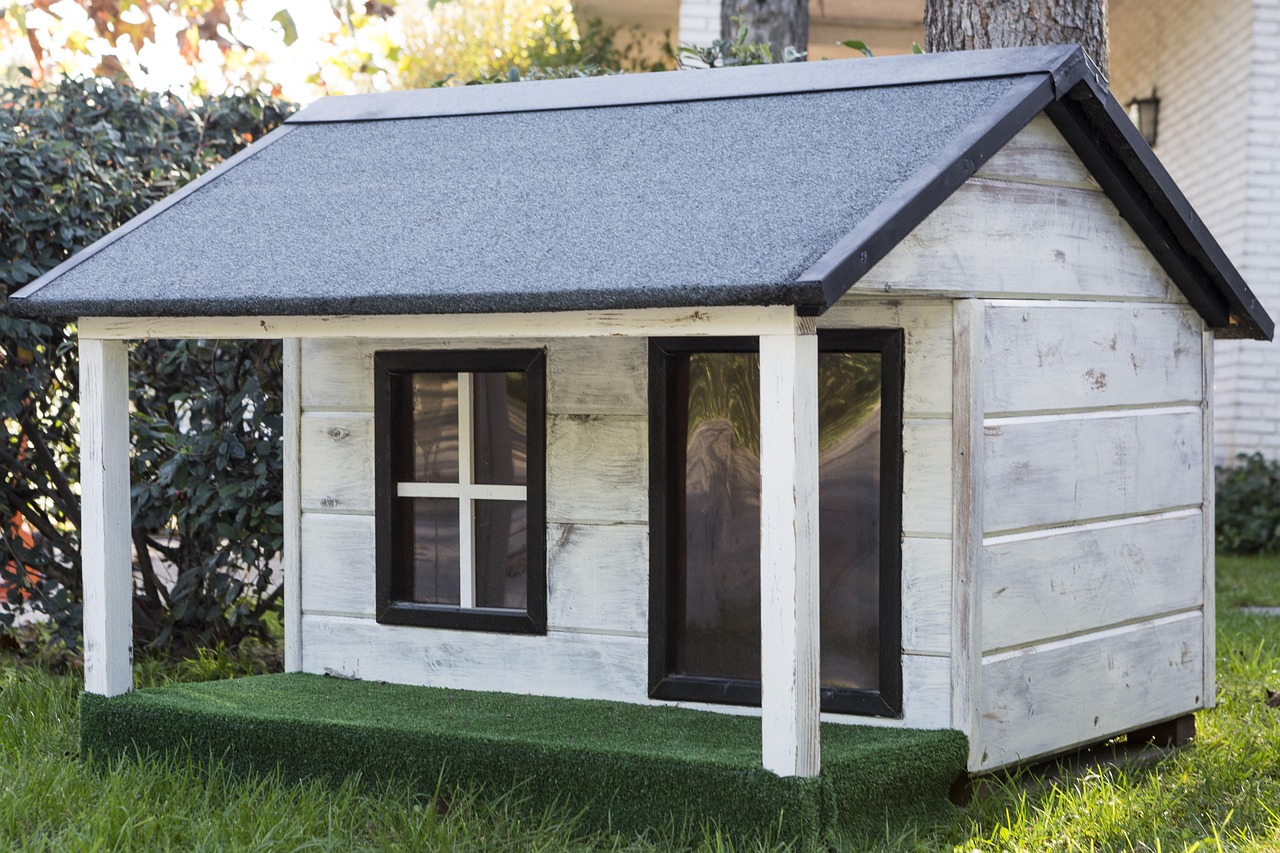

Incorporating Smart Lighting and Sensors in Dog House Design
Innovative design in dog housing has taken an exciting turn, especially with the advent of smart lighting and sensor technology. Dog houses can now be designed to meet various needs, providing comfort and safety for our canine companions. Smart lighting enhances a dog house by illuminating the space, making it accessible and inviting. These lights can automatically adjust based on ambient conditions, ensuring that the dog is never left in darkness, which can be alarming and disorientating for them. Additionally, sensors can monitor environmental conditions, such as temperature and humidity levels. This monitoring allows for optimal living conditions, adjusting heating or cooling systems based on what the pet needs. Choosing weather-resistant materials is crucial when integrating this technology into the dog house’s framework. Safety is a top priority, so ensuring that all electrical components are properly housed protects pets from any hazards. The aesthetically pleasing aspect of these features can also complement your home’s exterior. In summary, combining smart technology with dog houses is a forward-thinking approach that enhances the well-being of our dogs.
The advantages of integrating smart technology into dog house design extend beyond just comfort and aesthetics. One significant benefit is the ability to customize the living environment for each dog. Smart systems can set specific lighting moods or patterns that cater to a dog’s unique temperament and sensitivity to stimuli. For instance, a more anxious dog might benefit from dimmer lights that create a calming effect, while energy-filled puppies love bright, playful colors in their sanctuary. Additionally, manufacturers can incorporate mobile apps that allow pet owners to control and monitor their dog houses remotely. This feature not only brings peace of mind but also allows dog owners to keep tabs on their pets when they are away from home. Device alerts can provide notifications if temperatures become too extreme or if a dog remains outside longer than expected, which can help address potential issues before they escalate. Furthermore, integrating smart features can support pet owners in establishing routines, providing regular feeding, and even exercise times. Incorporating creativity in the design enhances both functionality and enjoyment for both dogs and their owners.
Understanding Smart Sensors
Smart sensors play a crucial role in enhancing dog house functionality. They are capable of monitoring various parameters such as the dog’s activity level, location, and health metrics. One application of this technology includes monitoring bark levels, which can help owners determine if their dog is anxious or in distress. Moreover, using motion detectors can alert owners when their pets are outside, ensuring they come in safely when necessary. Additionally, many smart sensors can trigger specific actions, such as activating lights when a dog approaches the house, creating a welcoming atmosphere. Some advanced models also help detect any intruders or unwanted visitors, putting the owner’s mind at ease about their dog’s safety. All these features work in synergy to promote a comfortable and secure space for pets. The integration of smart sensors in a dog house not only protects the dog but also empowers owners with proactive monitoring capabilities. This proactive approach to pet care redefines how we think about pet safety and health management. When equipping dog houses with such innovations, it fosters a stronger bond between pets and their owners.
Smart Lighting Options
Smart lighting provides numerous advantages in dog house design, from energy efficiency to customizable aesthetics. LED lights are a popular choice because they consume less energy and have a long lifespan compared to traditional bulbs. These lights can change colors to fit the mood or aesthetic desired, appealing to both the pet’s needs and the owner’s preferences. Moreover, smart lighting systems can be controlled via apps or remotes, allowing pet owners to schedule light cycles throughout the day. This capability means that owners can simulate natural daylight patterns, promoting healthy circadian rhythms for their dogs. Additionally, lights with motion sensors provide illumination upon a dog’s entrance or exit, ensuring visibility even during night-time. Some systems can even integrate with security features, lighting up the area when motion is detected. This synergy of safety and convenience can significantly enhance a dog’s outdoor experiences while keeping them safe at night. Incorporating smart lighting options ensures that the dog house remains functional and visually appealing, contributing to a harmonious environment for both dog and owner.
Maintaining smart features in dog houses involves regular maintenance and updates to ensure they function correctly. Much like any smart home devices, the components must be checked for updates and maintained regularly. Owners should have a scheduled maintenance routine to inspect sensors and lights, ensuring they are operational. Checking battery levels, ensuring connectivity, and looking for physical damage will prolong the life of these devices. With updates, devices can gain new functionalities that enhance the dog’s living conditions or improve user-friendly applications for pet owners. It’s also essential to educate owners about troubleshooting techniques in case malfunction occurs, as understanding these basics can avoid unnecessary service calls. Furthermore, proper installation of equipment warrants that safety protocols are followed, preventing any risks to pets. As technology evolves, manufacturers are likely to introduce new features that improve user experience and pet safety, making it vital for dog owners to stay informed about advancements in smart dog house technologies. Engaging with community feedback can also spark ideas to enhance existing designs, people can share their experiences and suggest improvements to manufacturers.
Environmental Factors
When designing a smart dog house, understanding environmental factors is key to installation. Factors such as climate variations can influence how temperature control systems and humidity monitors should function. For instance, regions with extreme weather conditions require more robust features capable of protecting pets from harsh elements. Proper insulation materials certified for energy efficiency can make a significant difference in a dog’s comfort. Moreover, locating the dog house in an area with good drainage and away from flooding zones or direct sunlight ensures the longevity of devices. Understanding local weather patterns leads to better design choices, maximizing the comfort level inside. In addition, homeowners are encouraged to incorporate gardens or other greenery surrounding the dog house to create a more pleasant environment. The natural elements not only enhance aesthetics but also promote healthy outdoor play. Additionally, integrating eco-friendly materials minimizes the ecological footprint while maintaining safety for pets. Smart dog houses should balance convenience, comfort, and ecological responsibility, appealing to environmentally-conscious pet owners and providing solutions to improve the overall habitat.
As technology continues to advance, the smart dog house concept is likely to evolve, encouraging manufacturers to innovate tirelessly. New features and functionalities, such as voice commands or smart home integrations, could streamline care for pets, aligning with other smart devices in the household. Walking a dog, feeding, and even engaging in play activities can all be managed efficiently through these systems. The connection between parents and their pets creates a sense of community among owners focused on health, convenience, and safety. Smart dog houses promote an ideal blending of nurturing and technology, making responsible pet ownership easier than ever. Innovations might include integrated cameras for monitoring activities, giving owners real-time vision into their dog’s behavior. Beyond mere convenience, a well-designed smart dog house can significantly enhance a pet’s overall happiness and health, thus contributing to a fulfilling life. As a result, embracing smart technologies in dog housing is not merely about luxury; it becomes essential for ensuring a safe, efficient, and enjoyable environment for pets. This evolution highlights the harmonious relationship between our technological growth and our desire to provide the best for our furry companions.