
Traveling to Cold Destinations with Your Dog: Seasonal Tips
When planning a trip to cold destinations with your dog, it’s essential to prepare thoroughly. Ensure your dog has proper winter gear, including a warm jacket or sweater, especially if they have short fur. Consider footwear to protect their paws from snow and ice. Keep in mind that salt used on walkways can irritate their paws; booties can help. Also, remember that some breeds are more tolerant of cold temperatures than others. Check the forecast and be ready for changing weather conditions. Bring along blankets to keep your dog warm in your accommodation and during travels. Having a crate or a secure area in your vehicle can make travel safer for both you and your dog. Additionally, ensure that your dog’s vaccination records are updated since dog parks in winter are often crowded. Finally, consult your veterinarian about health concerns specific to cold weather, such as hypothermia. Make sure your dog is adequately hydrated, as cold temperatures can lead to dehydration. Water needs can fluctuate, so always carry fresh water and ensure your dog has access at all times. Plan for bathroom breaks and forgive your dog if they hesitate on cold ground.
Choosing the Right Destination
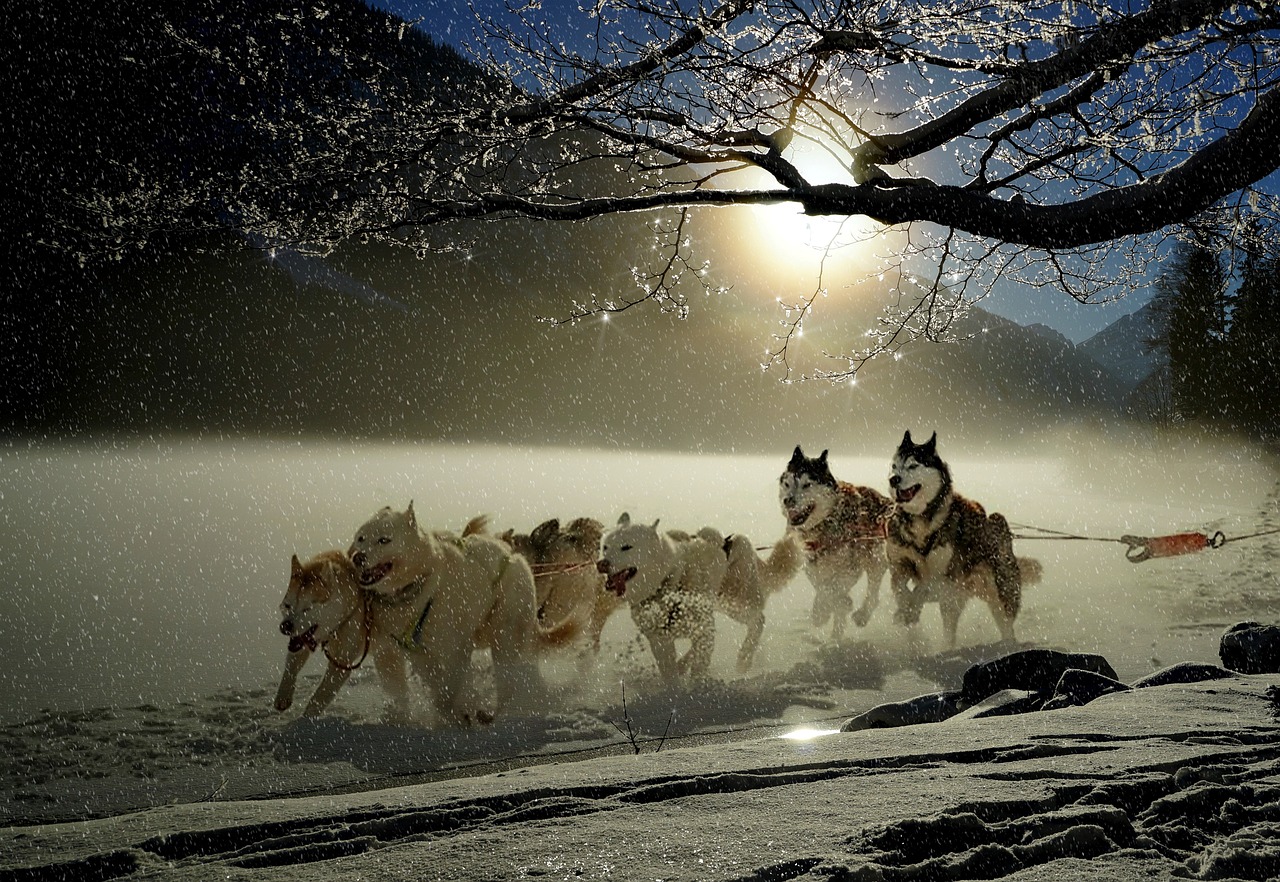
Selecting a dog-friendly winter destination is vital for a successful trip. Research hotels and accommodations that cater to pets, as not all establishments welcome dogs. Websites like BringFido and DogFriendly can guide you to suitable venues. Look for destinations offering plenty of outdoor activities, such as hiking trails, snowshoeing, or even dog sledding experiences. Safety should be a priority; ensure the location is secure for dogs, with no steep cliffs or busy roads nearby. Also, check local regulations regarding leashes and required permits in certain areas. Public parks often require dogs to be leashed, so be aware of such rules to avoid penalties. Additionally, identify nearby dog parks where your furry companion can socialize with others. It can be extra beneficial to travel during the off-peak season to avoid crowded areas, allowing your dog to enjoy more space. Prepare for unexpected situations, like icy trails or harsh winds, which can require flexible plans. A well-picked destination will provide enjoyable far-off adventures for both you and your furry friend without unnecessary stress during winter travels.
A long car ride can be daunting for dogs, especially in winter. To make the journey smoother, consider several tips to ensure comfort and safety for your dog. First, restrict food and water intake before the trip; however, you should still offer them gentle bites occasionally. Plan frequent rest stops for bathroom breaks and some exercise to stretch their legs. A crate or a dog seat belt can improve safety and reduce distractions while driving. Pack their favorite toys and blankets to provide comfort in unfamiliar environments. It’s also wise to have medications and a first-aid kit handy for emergencies. Consider temperature control in the vehicle; keeping it warm without overheating is crucial. Using sunshades can help keep the vehicle moderate in terms of temperature. Ensure your dog is familiar with their crate or transport carrier beforehand to help them settle faster. If your dog experiences anxiety during travel, speak with your veterinarian about options for anxiety management. Finally, familiarize yourself with pet-friendly rest stops along your route for meals and breaks so your furry friend can enjoy the journey as much as you do. Attention to detail can ensure both your comfort and theirs!
Once you arrive at your destination, it’s important to monitor your dog closely to ensure their well-being. Begin with short walks to help your dog acclimate to their surroundings. Gradually increase the length of walks per day, allowing your dog to explore safely. Check your dog’s paws regularly for ice or snow build-up, taking time to clean any debris between their pads. Pay attention to your dog’s behavior; signs of discomfort or coldness require immediate action. If your dog starts shivering or acting lethargic, seek shelter and warmth to avoid hypothermia. Engage in appropriate indoor activities with your dog as a break from the cold. Travel often leads to pent-up energy, so interactive toys or games can keep your dog entertained. Research local dog-friendly places where you can bring your furry friend to enjoy fun social interactions. Remember that some breeds are more prone to cold-related issues than others, so be conscious of their specific needs. As the adventure continues, always reward good behavior with treats or praise, reinforcing their positive experiences. Making a safe and enjoyable atmosphere for your furry companion becomes essential for their well-being and happiness.
Winter Health Tips for Dogs
Keeping your dog healthy while enjoying winter travel requires diligence and attention to their needs. Cold weather can affect your dog’s health, so wearing protective gear is essential. Ensure your dog is up to date on vaccinations, especially against respiratory diseases. Prevention is better than dealing with sickness later, so consider supplements or a special diet that supports their immune system during winter months. Hydration is crucial, even if it’s cold; encourage your dog to drink plenty of water. Always carry a portable water bowl for easy access during outdoor activities. Also, be cautious with snow and ice consumption; while it may seem appealing, it can lead to gastrointestinal issues. Limit their exposure to harsh weather, watching for ice patches or extremely low temperatures. Shorten walks during peak cold snaps and ensure adequate indoor durations. If your dog shows signs of cold intolerance, consult your veterinarian for personalized care. Be mindful of your dog’s age, breed, and health status as these factors influence their cold tolerance. Premium grooming assists in maintaining coat insulation, and a thorough cuddle near a warm fire can maintain warmth after outdoor excursions.
Another aspect to remember is the importance of maintaining a balanced diet for your dog, especially during travel. Cold weather requires additional energy, so adjusting food portions and providing nutritious meals can help keep them active. Look for high-quality dog food rich in proteins and fats to support their energy needs. Treats can also be beneficial, but remember to provide them in moderation to avoid weight gain. Consider bringing along energy-packed snacks or dog-safe treats during outings, giving your dog a morale boost on long hikes or play sessions. Always ensure you have adequate supplies on hand without running out. Seasonal allergies can also arise in the colder months, so monitor any changes in your dog’s skin or coat. Ensure their grooming routine remains consistent, and manage any irritation with appropriate products. Keeping your dog’s grooming needs aligned with seasonal changes can go a long way. Also, seek products that maintain hydration as dry, cold air can lead to skin dryness. Lastly, document any health changes or behavioral shifts during your travels, providing details to your veterinarian if necessary.
Emotional Well-Being During Travel
Travel can be stressful not only for humans but also for your furry friends. To ensure your dog’s emotional well-being, maintain their routines as much as possible. Familiar objects like blankets, toys, or their favorite bed can provide comfort in new environments. Allow for downtime in your itinerary to prevent overstimulation. This can be essential because constant new experiences can overwhelm your pet. Spend quiet evenings together to reinforce bonding and relaxation. Focus on positive reinforcement during the travel experience and offer treats and praise during successful transitions. Discovering new locations is exciting, but remain attentive to your dog’s signals. If your dog appears nervous or uncomfortable, consider adjusting plans to allow for more time in a familiar space. Gradually introduce them to new experiences at their pace. Furthermore, practice training exercises or commands to keep their focus and maintain discipline. Engaging in short, fun activities together can positively impact their mindset. Lastly, having patience allows your dog to adapt to travel changes better, creating a much more enjoyable experience for you both.
In summary, the enjoyment of traveling to cold destinations with your dog hinges on efficient preparation and vigilance. Prioritize your dog’s comfort and wellbeing during your travels to create lasting memories. By carefully selecting a suitable destination, you can provide enriching experiences for both of you while enjoying the seasonal setting. Stay attentive to your dog’s health and emotional needs throughout the journey, allowing for quiet downtime when needed. Taking preventive health measures such as vaccination and dietary adjustments can help. Do not overlook safety precautions while traveling by vehicle and maintaining a comfortable in-built environment. Be proactive about keeping your dog warm by investing in suitable gear and ensuring hydration, tailoring your travel approaches based on their reactions. Engaging indoor activities and proper grooming routines enhance your dog’s emotional well-being while away from home. Lastly, a careful observation of your dog’s reactions and adjustments throughout the trip proves invaluable. Regardless of adventures, fostering a harmonious travel experience through empathy and conscious choices strengthens your bond, creating a lifetime of shared fun experiences in the snow. Suitable planning and precautions lead to positive memories together.