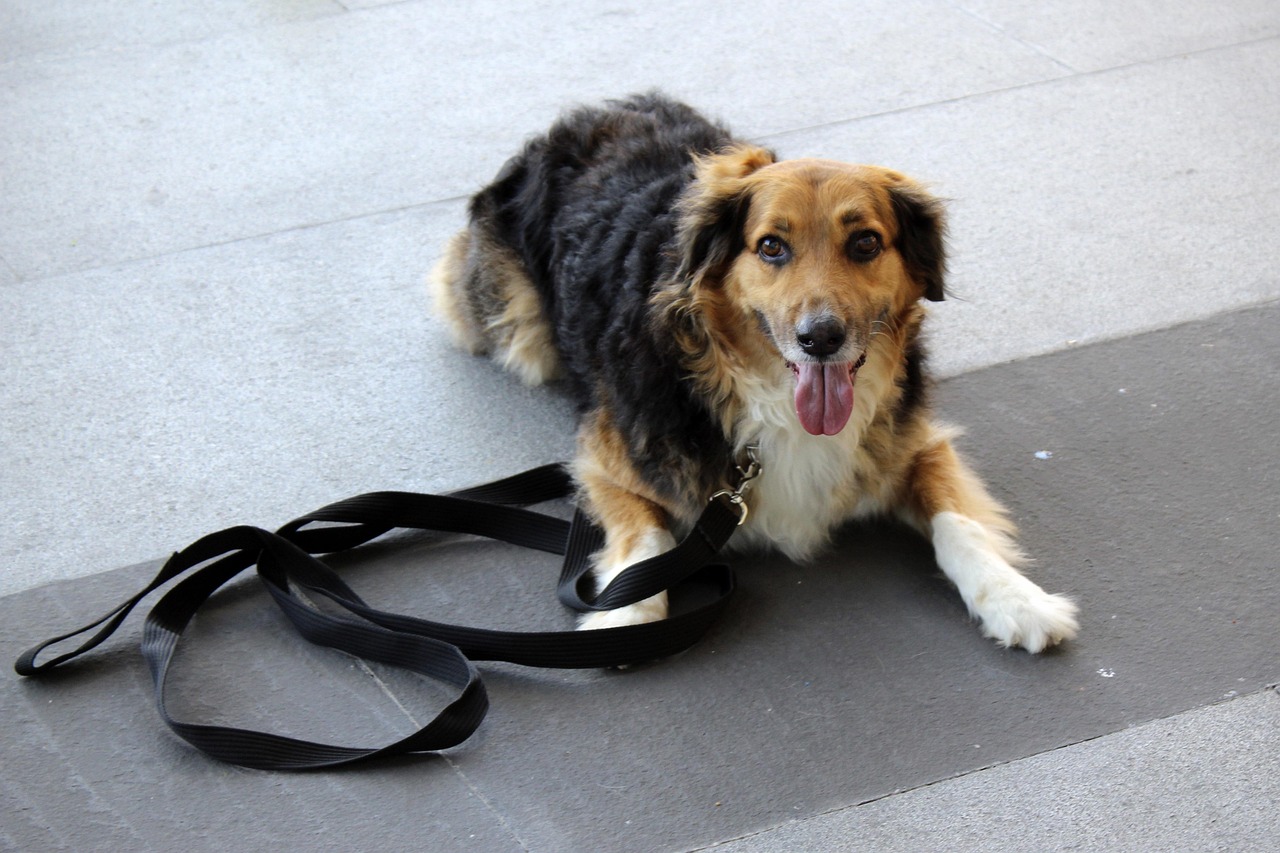

Training Puppies to Understand the ‘Go To Bed’ Command Early
Training your puppy to understand the ‘Go To Bed’ command is essential for establishing good behavior. It helps create a sense of order and provides your pet with a designated space for rest. Start by choosing a specific spot where you want your puppy to go when you give the command. This could be a bed, crate, or mat. The idea is to make this area cozy and inviting for your puppy, encouraging them to use it regularly. Use enticing treats and their favorite toys to make the place appealing, which will aid in the training process. Consistency is key; use the command each time you want your puppy to settle down. Mixing positive reinforcement with the command will help strengthen their understanding. Additionally, ensure that your puppy has had sufficient exercise before training sessions. This helps them focus better and reduces energy that may distract them. If you are patient and consistent, your puppy will learn this command quickly. Don’t forget to celebrate small victories as they progress, which will boost their confidence during the training journey.
Timing is crucial when teaching the ‘Go To Bed’ command. The best moment to begin this training is when your puppy is calm and relaxed. Choose a distraction-free environment where they can concentrate. Make sure your tone of voice is gentle and positive when giving instructions, as this encourages compliance. If they struggle, be willing to step back and simplify your approach. Sometimes, allowing your puppy to explore their designated area freely will enable them to make the connection with comfort and security. Gradually, pair the verbal command with the action whenever your pup heads to their bed voluntarily. As they begin to grasp the concept, raise the expectation by asking them to stay until you provide further instructions. This can be an excellent opportunity to reinforce their ability to respond positively to commands. Also, redirect any unwanted behavior by gently guiding them back to their bed. Understanding what you want will encourage them to act accordingly. With patience and practice, you will notice how your puppy begins to associate the command with the desired behavior, creating a smooth learning experience.
Using Positive Reinforcement
Incorporating positive reinforcement in training sessions greatly enhances the learning process. Whenever your puppy successfully goes to bed upon hearing the command, reward them immediately with a treat or praise. This positive feedback reinforces the behavior you want them to repeat. Consistency is also vital here; always reward your puppy for doing what you ask. Initially, rewards can be frequent, but as they master the command, gradually reduce the frequency to maintain interest. Additionally, try varying the rewards from treats to affection, ensuring each experience remains exciting. You might also introduce a unique phrase alongside the command to make it memorable for your puppy. Associating emotional responses while training will create a positive atmosphere, encouraging your puppy to look forward to it. Always keep sessions short and enjoyable; too long may frustrate your puppy and lead to disengagement. Find a balance between seriousness and fun to ensure that your puppy remains eager to learn during each training session. This joyful approach will strengthen your bond with your pet while establishing the right behavior patterns for a fulfilling relationship.
Understanding your puppy’s personality is crucial when training them. Different breeds can exhibit varying levels of intelligence and stubbornness. For example, some breeds are quick learners while others take a bit more time. Tailor your approach to suit their unique traits. If you notice that your puppy isn’t responding well to training, consider adjusting your methods. Some puppies thrive on games, making training sessions feel like fun rather than chores. Experiment with different approaches until you find what resonates with your puppy. It’s essential to remain calm and avoid frustration, as this might affect your puppy’s learning. Taking short breaks during sessions can keep their focus sharp. If they seem to lose interest, change the activity slightly or motivate them with a fun game. Your positivity will reflect on their eagerness to learn. Understanding what works best for each puppy, and celebrating all successes, big or small, creates a productive training environment. With time and attention to these nuances, you will create a tailored learning experience that strengthens your communication with your puppy.
Creating a Routine
Establishing a routine is foundational in training your puppy to respond to the ‘Go To Bed’ command. Dogs thrive on consistency, and a well-structured day helps them understand when to anticipate training and relaxation times. Begin by setting specific times for training throughout the day. This not only helps your puppy connect the command with certain times but also builds a predictable pattern. Gradually include this command in your puppy’s daily activities, such as before meals or at bedtime. Creating an association with these regular moments will reinforce the command naturally over time. Consistent timing helps adapt your puppy’s mindset to recognize the importance of resting when they hear the cue. If your schedule allows, incorporate the command into various environments, allowing them to become comfortable both at home and away. Consistent practice builds confidence and understanding in your puppy. Routine exercises also serve as a bonding experience, bringing both you and your puppy closer. By maintaining this consistency, your puppy will gain a better understanding of expectations, leading to a smoother, enjoyable training process overall.
The duration of training sessions should be short but impactful. Aim for sessions lasting no more than ten to fifteen minutes, which keeps your puppy engaged without causing frustration. Frequent, short sessions are generally more effective than lengthy periods that may lead to boredom or disinterest. Focus on quality over quantity; every engaging interaction counts. During these short training bursts, utilize various techniques to gain and maintain your puppy’s interest. Incorporate fun variations in drill exercises, like changing command settings or using different toys as incentives. Additionally, consider mentally stimulating activities, such as puzzle toys, between training sessions to keep your puppy’s mind active. However, always return to reinforcing the targeted command, allowing them to revisit the skills they’ve learned. Every puppy’s learning curve is unique, so if they seem stuck, enhance your techniques without rushing the process. Utilize treats, affection, or gentle guidance to encourage progress while continuing to enjoy training together. Savor this time for both you and your puppy as you cultivate their understanding and foster your bond.
Assessing Progress
Regularly assessing your puppy’s progress is essential to ensure they understand the ‘Go To Bed’ command. Notice how quickly your puppy responds upon hearing the cue; improvement indicates that training is taking effect. Make a conscious effort to track milestones, even minor ones, as these observations provide vital feedback for adjusting training methods. Keep a journal or notes to record notable changes or achievements, which can highlight effective techniques. Patience is necessary, as every puppy learns differently; some may pick it up faster than others. If your puppy struggles, re-evaluate the current training approach and reconsider what might not resonate. If certain periods prove more productive, capitalize on those moments to reinforce training. Taking the time to celebrate achievements, whether big or small, encourages a positive attitude towards learning. Additionally, share your progress with family and friends, encouraging them to be involved in reinforcing the command too. A supportive environment augments your puppy’s learning, fostering good behavior. The reward of a strong bond, owning a well-behaved puppy, and nurturing their understanding will make all efforts worthwhile.
As you navigate through training your puppy, bear in mind that early socialization and training make substantial differences in their behavior as they mature. Puppies who learn commands like ‘Go To Bed’ early often adapt better to various situations and environments. Their comfortable association with the command promotes calmness, encouraging an intuitive understanding of boundaries. Continue to reinforce the command throughout their growth, ensuring consistency remains a priority. Growth doesn’t stop once they seem to have mastered the command; continual reminders help sustain positive behaviors in evolving circumstances. Tailoring new challenges or variations to the command throughout your puppy’s development will keep their learning fresh and engaging. Always strive to harness a playful approach during training, as keeping sessions enjoyable nurtures their keen interest. Be open to challenges and enjoy the process together, cultivating trust and reliability. Ultimately, your investment in establishing this command pays off in creating a well-balanced, naturally obedient companion. The benefits extend beyond basic commands, fostering a lasting bond between you and your dog. Early training allows them to thrive and empowers them to respond positively to your instructions.