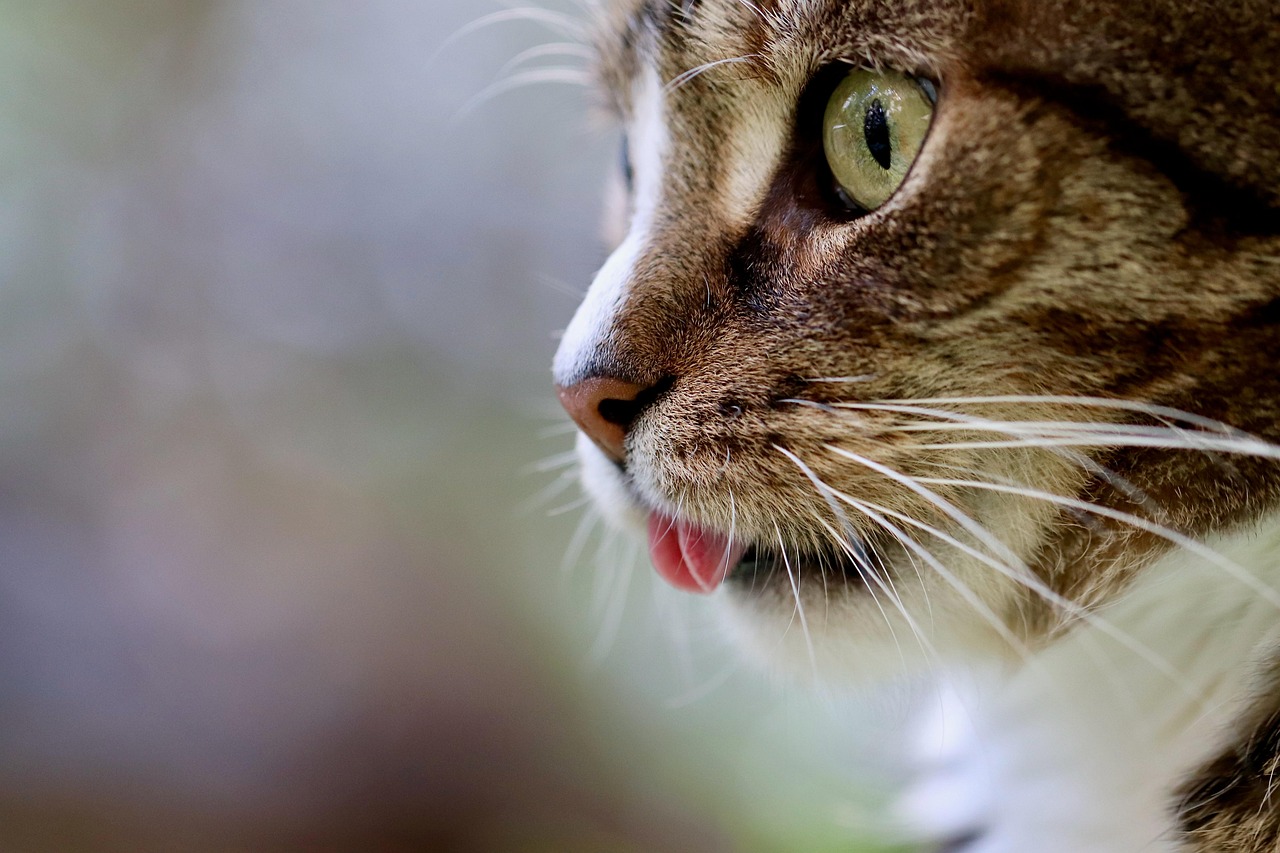

The Importance of Safe Spaces for Stressed Cats
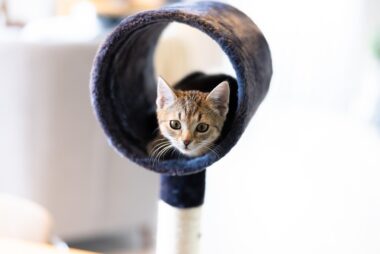
Cats, like humans, experience stress and anxiety. Providing a safe space can significantly help in reducing these feelings. A safe space allows your cat to retreat when it feels overwhelmed. It’s essential that these areas are quiet, away from the household’s activity and noise. Items like soft bedding, toys, and blankets can make the space inviting. You might consider creating a cozy nook for your feline friend. Cats tend to prefer enclosed spaces; hence, igloo-like beds or boxes can be perfect. In addition to making maps of safe spaces in the home, enriching the environment with scratchers and climbing structures can enhance a cat’s confidence. Remember, every cat is unique, and observing what they prefer will help. Being proactive in creating a sanctuary for your cat is vital. It fosters a sense of security and promotes relaxation. This sanctuary aids in managing anxiety, especially in stressful situations. Examples of stressors include new pets, guests, or loud noises. Hence, your cat’s comfort should always be a priority. Ultimately, nurturing their environment can lead to happier, more relaxed pets.
Understanding the signs of stress in cats is crucial. Cats may display various behaviors when they are anxious. These include excessive grooming, hiding, or aggression. If your cat is experiencing stress, it might be time to evaluate its environment. A safe space can provide not just comfort but curiosity. Having places they can feel secure in lets them explore at their own pace. You can observe your cat’s behavior when they are in a comfortable area; it’s often calmer and more playful. Providing different options for safe spaces encourages them to seek what makes them feel good. Remember, comfort is subjective, and preferences may change. Experimenting with different setups can help determine the best solutions. For instance, adding vertical spaces can allow your cat to feel more secure as they are higher off the ground. Consider implementing soft lighting or aromatherapy to create a tranquil atmosphere. Furthermore, maintaining cleanliness in their safe space is essential to ensure it remains a place of respite. Regular cleaning fosters a calm environment, helping your cat relax even more, which is beneficial for their overall well-being.
Creating the Ideal Safe Space
To create an ideal safe space for your stressed cat, consider their natural instincts and preferences. Cats love hiding spots, so using furniture or boxes to create secluded areas can work wonders. Techniques include transforming a closet into a kitty retreat or simply placing a bed under a table. Make sure to include familiar scents, like a favorite blanket or your clothing, to make the area comforting. Additionally, use vertical space with cat trees, shelves, or perches to allow your cat to observe its surroundings from a safe height. This sense of security enhances their confidence while exploring their space. Pay attention to locations that receive less activity from humans or noise. Over time, your cat will associate this area with relaxation and safety. Properly introducing the space is crucial; you might start with shorter periods before gradually increasing the time your cat spends there. Also, ensuring it’s stocked with toys and scratching posts goes a long way. By encouraging your cat to use their safe space, you contribute positively to their mental health and reduce the likelihood of behavioral issues arising from anxiety.
Routine also plays an important role in helping your stressed cat find peace. Cats thrive on predictable schedules, so setting regular feeding and playtimes can help reduce anxiety. When they know what to expect, it creates a sense of security, making them feel more in control of their environment. Additionally, consider reducing environmental stressors like loud noises. Close windows when possible to block out unfamiliar sounds, or use white noise machines. This consistent environment supports emotional stability for your feline. Incorporating calming daily rituals can also benefit your cat. For instance, gentle grooming sessions can foster a bond between you and your cat while promoting relaxation. Additionally, provide interactive playtime to strengthen this bond. Cats are hunters by nature; thus, engaging in stalking games and puzzle toys stimulates their minds and bodies. Always monitor your cat’s behavior for any signs of increased stress or discomfort. If the anxiety persists despite creating a safe space and routine, consulting a veterinarian is advisable. They can help identify any underlying issues or recommend forms of treatment or behavioral therapy.
The Role of Environmental Enrichment
Environmental enrichment plays a vital role in reducing stress among cats. It enhances their quality of life by making their surroundings more stimulating and engaging. Offer an array of toys, such as feather wands or laser pointers, that can challenge their hunting instincts. Additionally, create opportunities for exploration and discovery, like hiding treats or toys around the home. Incorporating climbing structures can tap into their natural climbing habits while providing a sense of confidence. Alternatively, engaging them with interactive toys can keep their minds active. Moreover, ensuring they have access to both sunlight and shady spots will allow them to choose their desired comfort level throughout the day. This access addresses their natural behaviors and can greatly lower anxiety levels. Other activities, such as puzzle feeders, can merge play with mental stimulation, enhancing their problem-solving skills. Remember, a well-rounded environment keeps your kitty entertained and physically active. This, in turn, reduces boredom and the anxiety that can accompany it. Keeping your cat busy and engaged not only improves their mood but strengthens their bond with you!
In conclusion, creating safe spaces is essential for maintaining a calm environment for our feline companions. By understanding their needs and preferences, you can create personalized sanctuaries that cater to their stress-reduction requirements. Remember to assess the signs of stress regularly and provide the necessary changes. Incorporating enriching environments, regular routines, and safe hiding spots can encourage relaxation and overall well-being. Communication through observation will always be the key to understanding a cat’s unique requirements. There may be times where a cat prefers solitude or companionship; being aware of their moods can help guide how you nurture their environment. Ensuring these safe spaces are readily available creates a big difference in a cat’s behavior and emotional response during stressful times. Through a combined approach of creating safe environments and recognizing stressors, you can significantly improve the quality of life for your furry friend. This approach assists in minimizing nervous behaviors and ensures happier, more confident cats. Ultimately, the goal is to foster a safe and accommodating environment that promotes peace and comfort for your cherished feline.
Final Thoughts on Cat Anxiety
Addressing cat anxiety requires patience and understanding from pet owners. Creating safe spaces is just one component of a much broader strategy for ensuring your cat remains happy and healthy. It’s important to remain vigilant and observe behavioral changes that signal distress. Consulting with professionals, such as veterinarians or animal behaviorists, can provide deeper insights. They can guide you through a process to tailor safety measures effectively. In addition to offering physical safe spaces, emotional support is vital. Engaging with your cat regularly not only strengthens the bond but also gives them the assurance they crave. A calm, relaxed pet contributes to a peaceful home environment and enhances your overall experience as a cat owner. By proactively working to manage anxiety, you’ll find that your relationship with your pet will flourish. Positive interactions lead to reduced anxiety, contributing to a happier household. Cat welfare is an important responsibility, and ensuring a tranquil environment allows them to thrive. With the right approach, pet owners can create a nurturing environment where their cats feel secure and loved.
In summary, the importance of creating safe spaces for stressed cats cannot be overstated. Through careful observation and understanding, pet owners can significantly contribute to the emotional health of their feline family members. Offering varied safe spaces appeals to their unique preferences and natural instincts. Every detail matters, from the choice of location to the materials used. Routine and predictability further ease stress, helping your cat to feel more at home. Regular engagement, coupled with environmental enrichment, combats boredom and promotes mental well-being. Being aware of each cat’s signs of stress allows owners to make informed decisions about their pet’s free time. Lastly, nurturing the human-animal bond is fundamental. Each effort made translates into a more harmonious relationship between you and your cat. Overall, creating safe spaces and promoting a secure environment can facilitate milder reactions to stressors in and outside the home. By prioritizing the emotional needs of our cats, we contribute to their happiness and quality of life. The ultimate reward is a relaxed, healthy, and contented cat sharing your home.