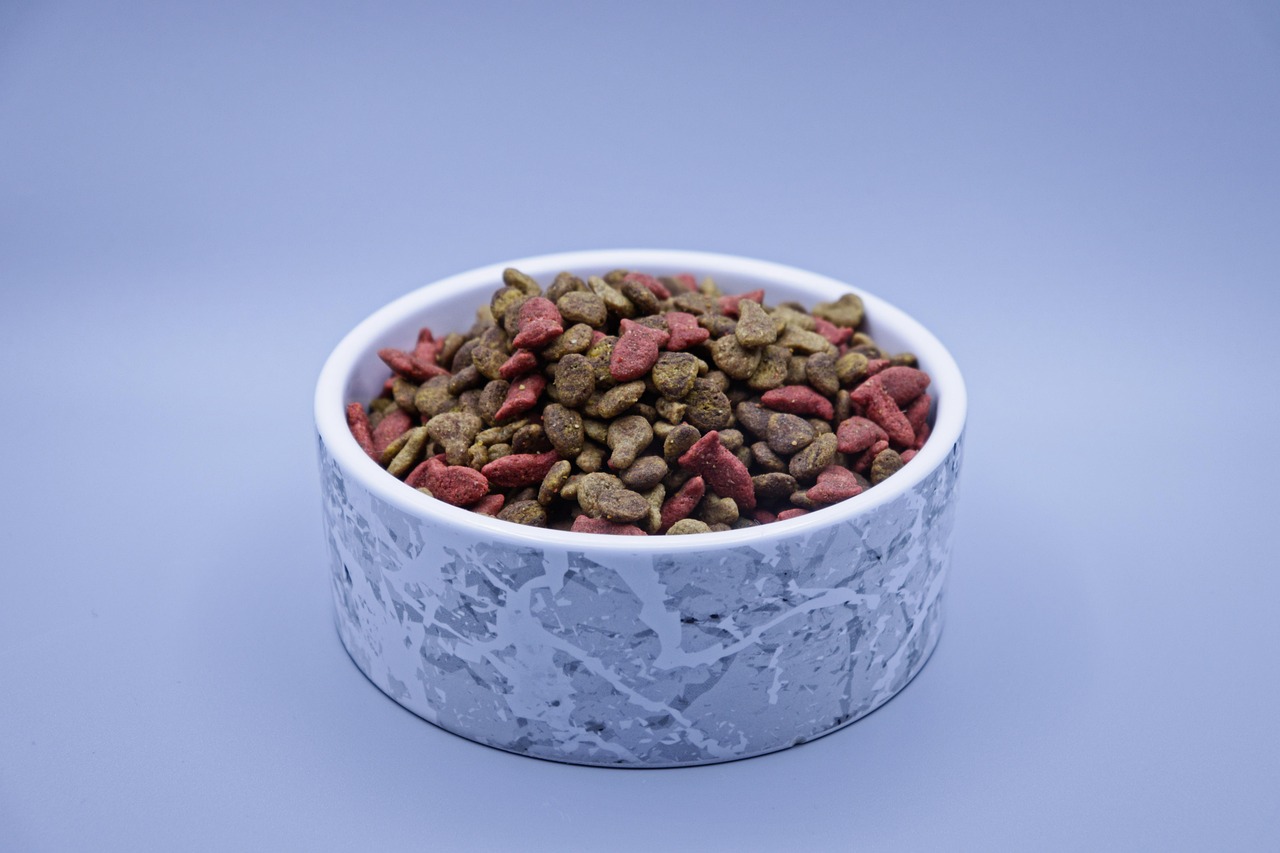

How to Transition Your Cat to a Performance Diet
Transitioning your cat to a performance diet is a crucial step in enhancing their agility and overall health. A high-performance diet is beneficial for active cats, especially those involved in sports. Start by gradually introducing the new food to minimize digestive disturbances. Mix a small amount of the new food with their current diet and gradually increase the proportion of the new diet over a week or two. Monitor for any adverse reactions. Cats require protein for energy and muscle function, so choose a diet with high-quality protein sources such as chicken or fish. Look for brands that offer balanced nutrition specifically designed for active felids. Don’t forget to adjust portion sizes to reflect your cat’s new activity levels. This adjustment is particularly important as a performance diet may be richer in calories than their previous food. Always provide access to fresh water, as hydration is essential in any diet, particularly when switching to a richer formula. Regular vet check-ups should be scheduled to ensure that the dietary transition is suited for their specific needs.
Balancing nutrients is paramount when implementing a performance diet for your cat. Cats are obligate carnivores that thrive on diets high in protein and low in carbohydrates. It is beneficial to look for foods that specify they meet AAFCO standards, meaning they provide all necessary nutrients. Understanding labels is essential in ensuring your chosen food meets your cat’s dietary needs. Ingredients should list quality animal protein as the primary component. Grain-free options may be advantageous for some, but consult your veterinarian for advice tailored to your cat’s specific health needs. Additionally, consider adding supplements, like Omega-3 fatty acids, which are known to promote joint health, especially in agile cats. Make the transition exciting by incorporating variety while remaining consistent with nutritional safety. This means ensuring the diet is not only nutritious but also appealing to your cat’s palate to encourage them to embrace the performance food. Always consult with a veterinary nutritionist for specialized guidance tailored to your cat, especially during dietary adjustments, as their health and wellbeing should always be prioritized.
Monitoring Your Cat’s Progress
Monitoring your cat’s progress during this transition phase is crucial. Observe behavioral changes, energy levels, and even coat quality. A successful transition may be indicated by heightened energy and agility during play or training sessions. Healthy weight maintenance is also an essential factor; you should check your cat’s body condition score regularly. The ideal body condition for agility cats is typically lean, showcasing a visible waistline and ribs that are easily felt but not seen. Weight gain or loss during this transition should be closely monitored, and adjustments to diet or activity levels may be necessary depending on the findings. Keeping a journal documenting your cat’s daily intake, activity levels, and any significant changes can be instrumental in drawing relevant conclusions over time. Consulting with your veterinarian can provide additional support, helping you to tailor the diet to match their unique physical activities, age, and health status. Remember that any sudden changes in behavior or health should be addressed immediately with a vet consultation, ensuring your cat remains happy and healthy.
Incorporating training and playtime is vital. Engaging your cat in regular exercise will maximize the benefits of a performance diet. Nature plays a critical role in a cat’s physical capabilities, and their need for mental stimulation should never be overlooked. Therefore, set up designated playtimes with interactive toys that encourage both physical activity and mental engagement. Regular exercise not only helps them utilize the energy from their new performance diet but also strengthens the bond between you and your feline friend. Consider agility training as part of the overall routine. This will not only enhance your cat’s physical prowess but also encourage their collaboration and teamwork with you. Look for local agility clubs or instructors who specialize in feline agility. Always ensure that playtime is safe and supervised, particularly when using new equipment or toys. Gradually increase the complexity of training to align with your cat’s growth in skills. Both training and playtime can be rewarding, helping your agile cat thrive in physical pursuits while benefiting from their performance diet.
Common Mistakes to Avoid
When transitioning to a performance diet, it’s essential to avoid typical mistakes many cat owners make. One of the most common errors is making abrupt changes to their diet. Cats have sensitive digestive systems, so switching foods suddenly may cause gastrointestinal upset. Once a transition plan is established, be patient and allow your cat to adjust at their own pace. Another mistake is neglecting hydration; with higher protein diets, cats must have ample access to fresh water. Always check that your cat is drinking enough, as dehydrated cats can develop serious health issues. Over-enthusiasm can also lead to overfeeding, as active cats are often ravenous; providing appropriate portions is crucial. Additionally, not all premium cat foods suit every furry athlete; thorough research is key. Consult with your vet to determine if the selected diet is appropriate for your specific cat’s needs. By avoiding these pitfalls, owners can better ensure their cat enjoys the increased agility and energy that a performance diet is designed to provide.
Integrating hydration solutions is beneficial when switching to a performance diet. Increased protein intake can lead to dehydration risks; therefore, consider incorporating wet foods into your cat’s diet. Wet food often contains higher moisture content, making it an excellent addition for hydration. If your cat prefers dry food, you can enhance their hydration by adding water or broth to it. Monitor your cat’s drinking habits closely. Dehydration can manifest as lethargy, dry gums, or reduced activity levels, due to being on a new diet. Providing water fountains may further entice your cat to drink regularly. Inadequate hydration can severely affect both their physical performance and overall health. Regularly refill their water bowls to ensure they remain clean and appealing. Be aware of any changes in your cat’s urination patterns, as they can indicate whether they are adequately hydrated. If dehydration persists, consult with your veterinarian to explore additional avenues for improving hydration. Being mindful of these practices will prevent potential health issues arising from dietary changes.
Consulting with Professionals
Engaging professionals is invaluable during this dietary transition journey. Besides consulting with your veterinarian, seeking advice from a feline nutritionist could provide personalized insights tailored to your cat’s specific needs. Taking your cat’s unique metabolic needs into account is essential for optimizing their performance. Certified feline nutritionists can assist in designing a performance diet that meets all necessary nutrient requirements for active cats while accommodating any specific health concerns your pet may have. They will also help you comprehend the food labels and ingredient lists, ensuring you make informed choices as an owner. Periodic evaluations can help ensure the diet remains effective, adjusting to any activity level changes as your cat matures or faces different health conditions. Always prioritize your cat’s health by asking questions and standing ready to adjust plans based on the information received from trusted professionals. Remember, the right dietary strategy can make a significant difference in your agile cat’s performance and quality of life, allowing them to thrive in their activities.
Lastly, enjoying the journey with your cat is critical. A positive attitude towards changes can encourage your feline friend to adapt more effortlessly to their performance diet. Celebrate milestones in your cat’s agility training or consistent adherence to their new diet. Your encouragement goes a long way in shaping their perception of the dietary transition, which can lead to overall satisfaction and wellbeing. Establish a rewarding routine that reflects this enjoyable experience, allowing both you and your pet to equally engage and adapt smoothly. Share your experiences with other cat owners who may benefit from learning about the agility nutrition journey. Create an online community to exchange tips, celebrate successes, and seek support if faced with challenges. Staying informed and connected will enable continual motivation while reinforcing your commitment as a responsible cat owner. By blending positive reinforcement, mental stimulation, and nutrition knowledge, you position your cat for a fruitful performance-focused lifestyle, nurturing agility, health, and happiness. Consistent engagement guarantees that your cat will not only thrive on their performance diet but will also enjoy the entire journey.