
Training Your Dog for Successful Treasure Hunting
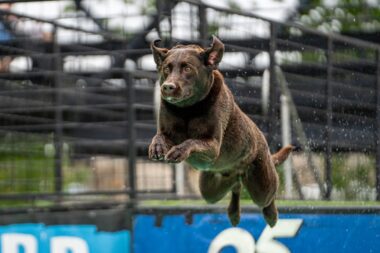
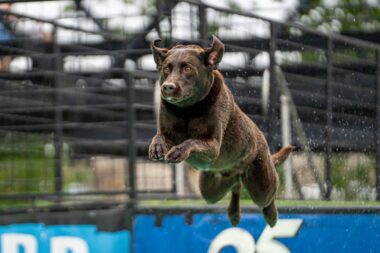
Treasure hunting is an exciting and rewarding activity that you can enjoy with your dog. This sport merges your dog’s natural instincts with the thrill of discovery. But before you dive into it, you need to ensure that your dog is well-prepared for these tasks. Start with training sessions at home to establish a strong foundation. Begin by introducing your dog to treasure hunting tools like scent items or toys that they can find. Gradually, build up their confidence by rewarding every successful search with treats or praise. This positive reinforcement encourages your dog to pursue the treasure eagerly. Use commands to guide them effectively, establishing a framework within which they operate. Consider practicing basic commands like ‘sit,’ ‘stay,’ and ‘find.’ With each practice session, increase the challenge. After mastering indoor sessions, venture outside for real-world scenarios. This transition helps your dog adapt to various environments, scents, and distractions. Consistent practice, exposure, and encouragement will set your pup up for success in treasure hunting adventures. Always remember to keep the experience fun and engaging for your dog to foster a lasting bond between you.
In addition to foundational training, specialized techniques are beneficial for enhancing your dog’s scent detection abilities. Equip your dog with skills they need to locate specific scents efficiently. Start by using different scent items that vary in smell to avoid confusion. Dogs perform better when the scent is distinct. Begin the exercises indoors, gradually moving outside as their proficiency increases. Use a designated area and make sure your dog recognizes that this is the place to search. Gradually introduce distractions to simulate a more challenging environment. This practice builds confidence while refining their treasure-hunting skills. Over time, add complexity by hiding the scented items in varied locations. Reward your dog consistently for successful finds to reinforce positive behaviors. Also, consider using clicker training as a technique to improve communication with your dog. This method allows for immediate rewards when your dog achieves the desired outcome. Furthermore, patience is key in this training process, as every dog learns at its own pace. Finally, ensure that you maintain regular training sessions to help solidify their understanding. With persistence, your dog will flourish in their treasure hunting abilities, enjoying every step of the adventure.
Choosing the Right Treasures
The next step in preparing your dog for treasure hunting is selecting appropriate treasures. Choosing the right items to hide can significantly impact your dog’s motivation and excitement. Start with items that have an enticing scent, like food, toys, or special trinkets. Dogs naturally gravitate towards items that smell good, so incorporating their favorite toys can elevate their interest. You can even infuse the treasures with your dog’s favorite scents to make them more appealing. Make sure these treasures are durable and safe for your dog to retrieve during the hunt. Avoid items that can break easily or pose a choking hazard. After selecting the treasures, gradually introduce them during training sessions. Begin with simple finds and progressively advance to more complex searches as their skills develop. Additionally, consider varying the treasures to maintain your dog’s enthusiasm during training. Engaging the dog with different scents and types of treasures helps keep their interest alive. In this way, choosing the right treasures is essential in fostering a successful treasure hunting experience for both you and your dog, creating enjoyable memories in your shared journeys.
It’s also crucial to understand and read your dog’s body language during training sessions. Your dog’s behavior can provide valuable insights into how they feel about the task at hand. Noticing signs of confusion or frustration allows you to adjust your training approach accordingly. Positive body language, such as wagging tails or eager movements, indicates that your dog is enjoying the treasure hunting experience. However, if you notice a lack of interest or reluctance, it may be time to rethink your methods. Ensure that the training setting is not too overwhelming for your dog. Maintain a relaxed atmosphere, eliminating unnecessary distractions that might deter their focus. If your dog works well in short bursts, keep training sessions brief but engaging. An effective way to transition is to frequently mix up locations and types of treasures. This variety stimulates your dog’s curiosity and keeps them motivated. Use patience and encouragement to help your dog recognize that treasure hunting is a fun and rewarding task. By cultivating a supportive environment, you foster trust and connection. These principles promote a passion for treasure hunting in your dog, ensuring a fruitful collaboration.
Safety First While Treasure Hunting
When involving your dog in treasure hunting, prioritizing their safety is paramount. Always assess your chosen hunting environment to ensure it’s safe for your dog. Avoid locations that may have harmful substances, like toxins or sharp objects. Before venture outdoors, familiarize yourself with the terrain. Keep in mind that natural habitats have unique challenges that could pose risks. Be cautious of weather conditions that might affect your dog’s wellbeing. Ensure they have access to water and frequent breaks during long treasure hunts. Remember that not all breeds excel in extreme conditions; consider your dog’s physical capacities when planning hunts. Additionally, provide a secure equipment harness, so you can control your dog when necessary. If safety hazards arise, be prepared to adjust your course and redirect your dog appropriately. It’s also wise to keep a first aid kit handy in case of accidents. Regular veterinary check-ups are beneficial, ensuring your dog remains in good health for these activities. By taking these precautions, you create an enriching treasure hunting experience that promotes not only skills but also your dog’s overall happiness and safety.
As your dog becomes more adept in treasure hunting skills, consider exploring organized competitions and activities that feature this exciting sport. Participating can enhance your dog’s overall experience and include an element of socialization. Many communities offer events such as scent work trials or treasure hunting groups where you can join fellow enthusiasts. These environments create opportunities to network with other dog owners who share a common interest in this rewarding activity. Furthermore, being involved in competitions helps to build a sense of achievement and pride for both you and your dog. Ensure that you research local events, joining clubs or online forums dedicated to treasure hunting for dogs. These resources provide valuable information on upcoming events, training workshops, or techniques to further enhance your journey. Social interactions during these activities help foster your dog’s confidence levels while allowing you to learn new approaches to training. Always remember that the essence of participation is the joy and bond it brings between you and your furry friend. Embrace each moment spent treasure hunting and enjoy the process as both an adventure and a fantastic bonding experience.
Continuing the Adventure
Once your dog has mastered treasure hunting techniques, the adventure doesn’t have to come to an end. Enrich their experiences by introducing them to various related activities, ensuring their engagement. Scavenger hunts, agility training, or even obedience classes can add variety to their routine and further develop their skills. Create DIY treasure hunts at home, incorporating different rooms or spaces as search areas. This keeps the practice exciting and fresh, as your dog loves discovering new challenges. Beyond these, consider unorthodox treasures, such as interactive puzzle toys that encourage them to use their minds. By expanding the concept of treasure beyond just physical objects, you’ll stimulate both their hunting instincts and intelligence. It’s essential to strike a balance between physical and mental stimulation in your dog’s training. Attend workshops or interactive classes focused on advanced techniques related to treasure hunting. This provides both you and your dog with opportunities for growth. Closing on a positive note, remember that maintaining a sense of adventure will keep both of you engaged in the incredible journey of treasure hunting. Celebrate every achievement, however small, and make memories together.
In summary, training your dog for successful treasure hunting is an enriching experience filled with excitement, learning, and bonding. By taking the time to develop a structured approach through foundational training, proper equipment, and safety measures, you set the stage for an enjoyable adventure. Choose appropriate treasures that captivate your dog’s interest and ignite their searching instincts. Pay attention to your dog’s body language, adapting your training methods whenever necessary to foster confidence and enthusiasm. Explore organized activities that enhance social skills and provide additional motivation. Lastly, continue to evolve the treasure hunting experience by incorporating various related activities, keeping their training dynamic and engaging. Through these principles, treasure hunting becomes more than just a sport; it transforms into a fulfilling journey for both you and your dog. Remember to enjoy the process, focusing on the bond you share and the fun created along the way. As you embark on these treasure hunting journeys together, anticipate the joy of continued learning and growth, reinforcing your relationship through shared challenges. Embrace the adventures ahead, and uncover the excitement and joy that treasure hunting brings to both of your lives.