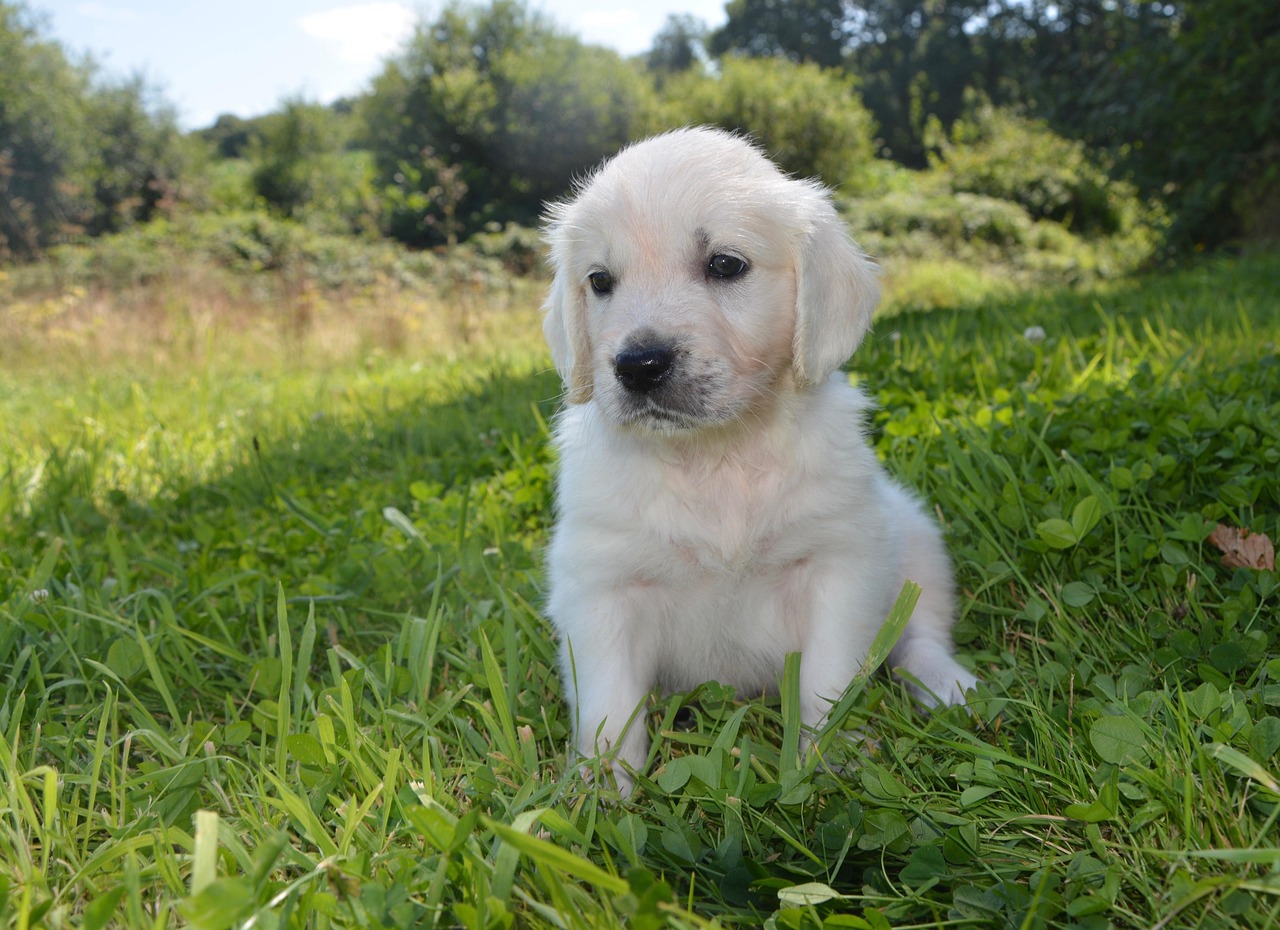

Puppy Training Tips for Prospective Breeders
Training puppies is a crucial aspect of responsible dog breeding. Effective training not only enhances a puppy’s behavior but also prepares them for a life in a family setting. Start training early, ideally when the puppy is around 8 weeks old. At this stage, they are highly receptive to learning new commands and socialization skills. Focus on basic commands like ‘sit’, ‘stay’, and ‘come’. Additionally, introduce them to various environments, sounds, and experiences to build their confidence. Consistency is key in puppy training. Use positive reinforcement techniques, such as treats or praises, to reward good behavior. This approach builds a trusting relationship between you and the puppy, encouraging them to repeat desired actions. Make training sessions short and fun, so puppies remain engaged and excited. Regularly assess their progress, adjusting your methods as necessary to suit the individual needs of each pup. Socialization is another essential factor in training, allowing puppies to learn how to interact properly with other dogs and people. Remember, the goal is to create well-adjusted dogs ready for their new homes.
A well-balanced diet is essential for the healthy development of puppies. As a prospective breeder, you must educate yourself on the nutritional needs of your puppies. Puppies require specific nutrients to support their growth, which can vary based on their breed, size, and age. Choose high-quality, age-appropriate food and provide it consistently. Consult a veterinarian to determine the best feeding schedule for your puppies; twice a day is generally recommended. Monitor their weight and overall health regularly, adjusting their portions based on growth patterns. Keep fresh water accessible at all times, as hydration is vital for their well-being. As puppies develop, consider introducing raw foods or homemade meals, but ensure they still receive all the necessary nutrients. Remember not to overfeed, as obesity can lead to serious health issues later in life. Additionally, you should avoid feeding certain human foods that could be toxic, such as chocolate, grapes, or onions. Regular vet check-ups will help catch any dietary issues early. Starting a food journal for each puppy can help you track their growth and feeding habits effectively.
Creating a Positive Training Environment
A positive training environment is essential for successful puppy training. Create a space that is free from distractions, ensuring that puppies can focus during their training sessions. When training, choose a familiar location at first to help reduce anxiety. Use positive and encouraging words as you train, which helps in building their confidence. Ensure that you are calm and collected during training sessions, as dogs can sense emotions. Incorporate play into the sessions to keep them excited and engaged. Mixing in play gives them a break and creates a bond between you and the puppy. Additionally, using training aids, like clickers or specific toys, can help reinforce desired behaviors. Remember that every puppy learns at their own pace, so be patient and consistent. It’s beneficial to set specific goals for each training session, keeping them realistic and achievable. This not only helps measure progress but also motivates both you and the puppy. Be adaptable in your methods, understanding that some techniques may work better for certain puppies than others, ensuring a tailored approach to training each individual.
Socialization is a cornerstone of puppy training, significantly impacting their future behavior. Expose your puppies to various people, pets, and environments, which helps them become well-rounded companions. A lack of socialization can lead to behavioral issues later in life, such as aggression or anxiety. Arrange playdates with other vaccinated dogs, allowing them to interact and learn proper social cues. Attend puppy socialization classes where they can meet other puppies in a safe environment. During walks, introduce them to diverse experiences, from different surfaces to sounds like traffic and children playing. Make each experience positive by using treats and praise to reward calm behavior. It’s essential to recognize their boundaries; if a puppy seems uncomfortable, give them space and time to adjust. Gradually increasing exposure can help build their confidence without overwhelming them. Additionally, ensure that they have a safe space to retreat to if they feel stressed. Remember that early socialization is most effective before the age of 16 weeks; during this critical period, puppies are particularly impressionable and more likely to adapt to new experiences.
Essential Commands for Breeding Dogs
Training your puppies to respond to essential commands sets the foundation for their future behavior. Teaching commands such as ‘leave it’, ‘no’, and ‘drop it’ can be incredibly useful for safety and control. Begin training in a quiet space to minimize distractions. Start with one command at a time, ensuring the puppy grasps each before moving on. Use positive reinforcement regularly to encourage repetition. For example, when a puppy shows interest in something they shouldn’t have, say ‘leave it’ and reward them if they comply. Incorporating basic obedience commands helps with general behavior, making it easier to manage during breeding or when potential owners come to visit. Maintain a steady tone, varying your inflections to make training sessions more engaging. Furthermore, practice commands in different environments to help generalize their understanding. This method reinforces that commands apply regardless of where they are. Prioritize socialization alongside command training; well-socialized puppies tend to be more responsive and adaptable. Consistent training helps strengthen the bond between the dog and the breeder while encouraging confidence and obedience.
Health checks and vaccinations are vital throughout the puppy training process. Regular vet visits ensure that your puppies are healthy and ready for their new homes. Vaccinations protect from preventable diseases and must be given as recommended by your veterinarian. Schedule early check-ups post-birth, and discuss a vaccination schedule to stay on track. Record keeping of health checks and vaccinations will help in providing prospective owners with essential information. Health checks should include comprehensive physical exams to detect any underlying issues. This is also an excellent opportunity to discuss diet and training concerns with your vet. Besides vaccinations, provide proper deworming treatments to ensure that puppies are healthy, as parasites can impact their growth and behavior. Keeping an eye on their dental health is similarly important; start brushing their teeth early to establish a routine. This establishes the foundation for lifelong health practices. As prospective breeders, always encourage future dog owners to maintain a proper health regimen. Offer guidance on follow-up vaccinations and regular vet appointments, as responsible ownership begins with ensuring the health and well-being of the dog.
Preparing Puppies for Adoption
Once training progresses and the puppies are ready for adoption, preparing them for their new homes is crucial. Engaging potential owners early allows you to assess their suitability as new pet parents. Offer educational sessions detailing the needs of the breed, including training tips and care specifics. Encourage potential owners to participate in puppy interactions, helping to build connections. Providing a written guide or package containing essential information can also help them transition smoothly. Include details about vaccinations and health checks performed, assuring new owners they are adopting a healthy pet. Socialize the puppies more at this stage by exposing them to children, other pets, and varied situations. This preparation fosters more adaptable and well-rounded puppies for adoption. Discuss dietary needs, including recommended foods and feeding schedules, with the new owners. Furthermore, consider organizing follow-up communication or support resources post-adoption, allowing connections to foster a sense of community about responsible breeding. A successful transition ensures that both the puppy and new owners understand each other’s needs and expectations, setting the stage for lasting and loving relationships.
In conclusion, effective puppy training is an essential aspect of responsible dog breeding. Incorporating these tips will help prospective breeders prepare their puppies for a successful transition into new homes. From early socialization techniques to establishing routines and health check-ups, every factor plays a role in ensuring each puppy grows into a well-adjusted adult dog. Engaging with potential owners not only facilitates a successful adoption process but also fosters trust and confidence in prospective breeders. Remember to champion responsible breeding practices and emphasize the commitment required in dog ownership. A well-prepared puppy, matched with a suitable owner, can create joy and companionship for years to come. Your role as a breeder extends beyond just the puppy’s birth; it includes cultivating relationships that celebrate the bond between dogs and humans. Continuous education and adaptation are vital in providing pups with the best training and nurturing environment possible. Being a conscientious breeder means committing to their well-being, preparing them for their futures, and ensuring responsible ownership. Adopting these puppy training tips will undoubtedly benefit both the breeders and the future pet owners by contributing to the welfare of the breed.