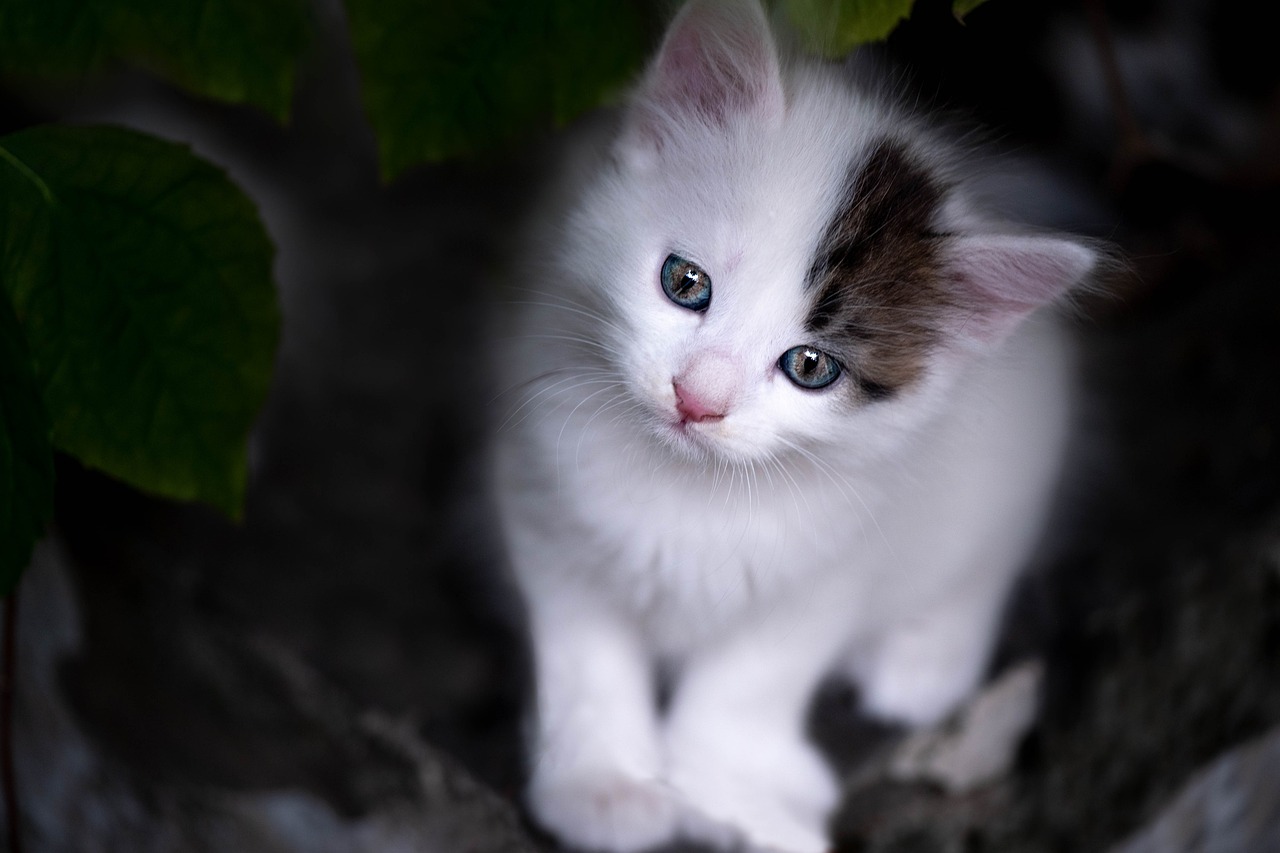

How to Socialize Adopted Cats That Have Had Negative Past Experiences
Adopting a cat with a troubled past can be a rewarding yet challenging task. Understanding the background and behaviors that indicate fear or anxiety is crucial. First, create a safe space where the cat can feel secure. This area should be free of noise and chaos. Consider providing a cozy bed, toys, and food in this area. Give the cat time to adjust and familiarize itself with the environment. Gradual introductions to different parts of the house can help, especially if they were previously confined. Patience is key during this process. Never rush your new pet into situations where it feels overwhelmed or threatened. Additionally, pay close attention to body language; signs of stress include flattened ears or a tucked tail. Offering treats can create positive associations with you and familiar spaces. Establish a routine for feeding and playing, as this builds trust over time. By taking these steps, you encourage a sense of security, helping your newly adopted cat feel more at home. Keeping things predictable reduces anxiety for a cat coming from a negative background, fostering an environment of safety and comfort.
The first step in socializing an adopted cat is understanding its specific needs. Cats that have experienced negative past interactions often require more time to adjust than others. Create an inviting environment that minimizes stress; this will help ease your cat’s transition. Start by designating a quiet room filled with essential amenities such as a litter box, food, and a hiding space. After the initial adjustment, gradually allow the cat to explore other areas. This exploration should be supervised, to prevent overwhelming the pet. Be attentive to its reactions and give it a choice to return to its safe space if it feels anxious. Utilize gentle vocal tones and avoid sudden movements, both of which can easily startle this sensitive creature. Introduce interaction gradually, using toys that engage but do not overwhelm. Each positive experience will reinforce their trust in you. Remember, every cat is unique. Tailor your approach to fit your pet’s personality and past experiences. This personalization can significantly influence the success of your socialization efforts, allowing your once anxious new friend to flourish in its new home.
Building Trust with Gentle Interactions
After creating a safe environment, focus on building trust through gentle interactions. Start by spending quiet time in the same room, allowing your adopted cat to observe you from a distance. This allows the cat to feel more secure in your presence. Use calm, soft tones when speaking. Over time, you can express affection by sitting closer or extending a hand for your cat to sniff. Avoid forcing contact, as this could lead to additional anxiety. Rather, let the cat approach you at its own pace. Use playtime as a bonding opportunity; choose toys that allow for interactive play without overwhelming your cat. Engage in short play sessions and gradually increase their length as trust builds. Likewise, reward your cat with treats during these sessions, establishing positive associations. When your cat begins to show signs of comfort, like purring or rubbing against you, it will signal readiness for more interaction. This consistent approach helps reinforce a sense of security, encouraging your cat to overcome previous fears and insecurities. Gradually, you’ll develop a stronger bond filled with mutual trust and respect.
Establishing a Routine to Encourage Security
Establishing a consistent routine can be immensely advantageous for socializing your adopted cat. Predictability helps reduce anxiety in pets that have had tough experiences. Start with regular feeding times to create a sense of stability. Cats thrive on routine; it can help them feel safer. Incorporate daily play sessions at the same times and use toys that pique their curiosity. Alongside play, allocate quiet time for relaxation together. Doing so fosters deeper connections and reinforces positive interactions. Allowing your cat to explore new areas at a slow pace also helps acclimatize them to their new surroundings. After regular intervals, gradually introduce new objects or sounds. Start with gentle noises like soft music, and observe how your cat reacts. If it seems scared, return to calmer settings. Always reward your cat’s engagement with treats or affection. This routine will not only address the cat’s past anxieties but will also establish you as a dependable companion. Regularly checking in and showing compassion supports their healing process, enabling them to thrive in their new home alongside you.
Incorporating environmental enrichment can significantly aid in socializing your adopted cat. Enrichment encourages natural behaviors and reduces stress, providing mental stimulation essential for an emotionally healthy feline. Introduce scratching posts, interactive toys, and climbing structures to give your cat options to play and explore. Varied play sessions can foster trust and engagement. Puzzle feeders can create a sense of accomplishment with food rewards, further enhancing your bond. Take cues from your cat’s response; if it shows more interest in certain toys or activities, structure your playtime around these preferences. Additionally, ensure your living space is cat-friendly. Create vertical spaces such as shelves or cat trees for climbing and observation. Cats often feel more secure when they can survey their environment from elevated positions. Consider hiding treats or toys around the environment to inspire exploration and curiosity. This practice not only aids behavioral health but also enhances the bond between you and your cat. As your cat grows more comfortable through these activities, it fosters a happier and more confident personality, resulting in a content and social pet willing to engage with you and its surroundings.
Collaboration with Professionals for Behavioral Issues
While patience and routine are vital, sometimes professional help may be necessary for cats with severe behavioral issues. If your adopted cat exhibits noticeable signs of fear or aggression, consulting with a veterinarian or a certified animal behavioralist may be beneficial. These experts can offer tailored strategies that align with your specific challenges. Behavioral modification techniques often involve desensitization and counter-conditioning, which may require expert guidance. As these professionals monitor and assess your cat’s progress, they can adjust their protocols to suit your needs. In some cases, they may recommend medications to ease anxiety during the transition. You can also collaborate with them to create a comprehensive socialization plan. Remember that hiring an expert doesn’t indicate failure on your part. Instead, it reflects a commitment to your cat’s well-being. Ensure that any professionals you involve have reputable experience with cats. This support can make a significant difference in socialization success, helping foster a safe, loving environment for your new feline companion. Investing in expert guidance reinforces your dedication to nurturing your cat’s growth and happiness in its forever home.
Lastly, maintain realistic expectations during the socialization process. Each cat is unique, and recovery from negative experiences can take time. Celebrate small victories, no matter how minor. A new cat may take weeks or even months to fully adjust, especially if they come from abusive or neglectful backgrounds. Progress isn’t always linear; you may witness setbacks alongside positive developments. Documenting these changes can help you recognize improvements over time, reinforcing your commitment. It’s important to refrain from applying pressure for quick outcomes; trust developed slowly is far more enduring. Engage with your cat daily, adjusting your approach based on feedback from its behavior. If your cat retreats, allow it to take time as needed without judgment. Consistency in your approach plays a crucial role in facilitating socialization. As trust grows, it will lead to more profound connections and a settled, happy pet. The ultimate reward for your dedication and care will be a loving companion that thrives in its new situation, creating lasting, meaningful memories. Your journey will not only transform the cat’s life but will deepen your capacity for empathy and patience, enriching your own experiences as well.
In conclusion, socializing adopted cats with negative past experiences requires commitment and understanding. Building trust through gentle interactions, establishing routines, and creating an enriched environment is necessary for fostering confidence. Collaborating with professionals when necessary and maintaining realistic expectations are additional vital components. Your patience and efforts will create a lasting bond, transforming the relationship and enriching both your lives. The journey might be challenging, but the outcome—a loving, trusting, and secure companion—makes it worthwhile. Remember, every small step taken by your adopted cat toward comfort and trust is a victory. Celebrate each success, no matter the size, as these moments define your unique bond. As you help your finicky feline friend blossom, cherish the changes you witness. Through unwavering patience and love, you will build a strong foundation for your cat’s future happiness. Never underestimate the power of compassion; it can help heal even the most troubled pasts. With time and dedication, you can enable your cat to feel safe and loved, evolving into a beloved family member. Such transformations are possible with commitment and understanding; together, you will thrive in a nurturing home filled with joy and affection.