
Close-Up Photography Tips for Beautiful Cat Eyes
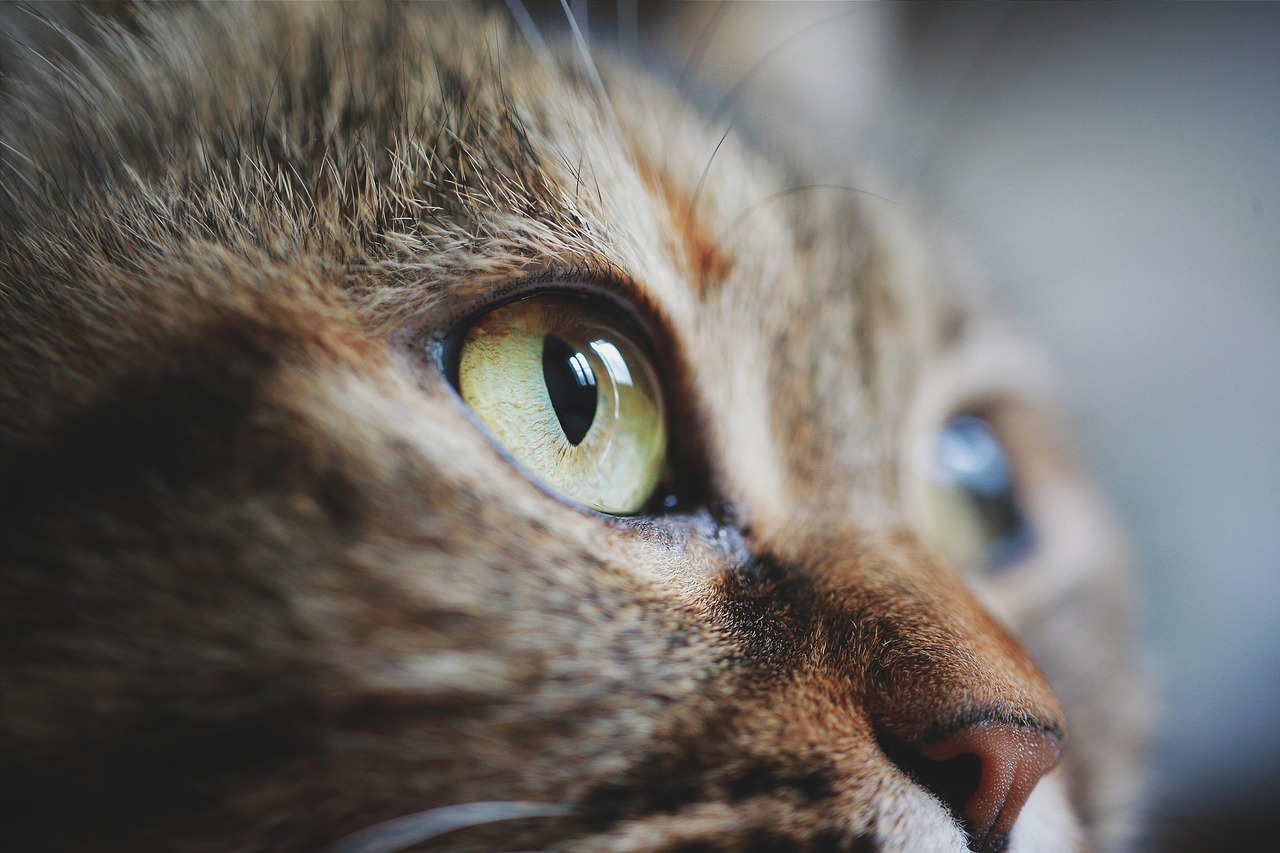
Capturing the mesmerizing beauty of cat eyes through photography is both an art and a science. To achieve stunning close-ups, understanding the anatomy of a cat’s eyes is essential. Typically, cats have elliptical pupils that help regulate light entering their eyes. Correctly configuring your camera settings can optimize image clarity while preserving natural color tones. Begin with a suitable lens, preferably a macro one, enabling sharp focus on minute details. In low light conditions, utilize a higher ISO setting but balance it with shutter speed to avoid motion blur. Light plays a significant role in photography; consider using natural light during golden hours to enhance the warmth of the fur and eyes. Setting up your shot from a cat’s eye level creates intimacy, engaging viewers in the photograph as though they are connecting with the subject directly. Composition matters, so frame the eyes as focal points while maintaining a soft background. Practice will refine your techniques, turning you into a proficient cat photographer, capable of capturing breathtaking moments that exhibit stunning emotion and personality through those beautiful cat eyes.
To further enhance your skills, consider focusing on the cat’s expression in conjunction with the eyes. The eyes are the windows to their soul, often reflecting emotions such as curiosity, comfort, or curiosity. An interesting way to elicit playful or engaging expressions is to use toys, sounds, or treats. Experiment with different angles—shooting from above, below, or even at a distance to capture their spontaneous reactions can yield impressive results. Ensure you maintain a calm atmosphere, reducing stress levels in your feline subject. Utilize treats to reward your pet during the shoot, making the experience enjoyable for both. A happy cat will provide the lovely expressions you want to encapsulate. Patience is key in pet photography; wait for the perfect moment when the eyes sparkle and convey emotion. Remember to review your images on the camera’s display periodically. This helps you assess which settings are working and which adjustments are necessary for the next shot. With dedicated practice, each photographic session brings improvement. The excitement builds as you start capturing enchanting close-ups and develop a personal style that reflects your artistic vision and your cat’s unique personality.
Proper Equipment to Capture Stunning Cat Eyes
Choosing the right equipment plays a pivotal role in achieving high-quality images of cat’s eyes. A DSLR or mirrorless camera is usually preferred due to their versatility and quality. The lens selection is equally crucial; a macro lens enables you to get up close and personal without losing focus. If you don’t have a macro lens, a telephoto lens can also be an alternative as it allows you to maintain distance while photographing. Utilizing a tripod stabilizes your shots and prevents camera shake, especially in low light conditions. Additionally, using an external flash can be beneficial for illuminating the subject’s face and eyes without creating harsh shadows. To capture unexpected moments, carry extra batteries and memory cards to avoid interruptions during your shooting session. A lens cleaning kit should also be part of your gear for maintaining clear optics. Opt for reflectors to manage light better, directing it to the eyes and creating captivating highlights. Finally, using a remote shutter release will minimize camera movement, producing steady shots even at slower shutter speeds. Preparing beforehand with the right equipment ensures you are ready to immortalize your cat’s stunning eyes in vivid detail.
Lighting is a crucial element to focus on for successful cat photography, especially when capturing their beautiful eyes. Soft, natural light is preferred over harsh direct sunlight, which can cause shadows and reduce detail visibility. Aim to shoot during the early morning or late afternoon hours for ideal lighting conditions. If indoors, position your cat near a window to take advantage of natural light filtering in. Be mindful of the direction of light; diffused light helps maintain soft shadows while highlighting the eyes. When using artificial light, consider using softboxes or diffusers to prevent stark contrast. Avoid using flash directly in the cat’s eyes, as it can startle them and adversely affect the photo quality. Instead, use bounce flash techniques to fill in shadows without overwhelming the subject. Another technique involves the use of backlighting, which can create a dramatic effect and highlight the outer contours of the cat’s eyes. Understanding and manipulating light will enhance the expressive quality of your cat’s features, ensuring that your close-up photographs are both captivating and emotionally engaging to your audience. Experiment with these techniques to master cat eye photography and create stunning portraits.
Using Focus and Depth to Elevate Your Shots
Focusing on the cat’s eyes is vital for a compelling photograph, as they often draw attention and convey emotions effectively. Employing a shallow depth of field ensures that the eyes remain sharp and in focus while the background blurs out. A wider aperture, such as f/2.8 or f/4, creates this effect, allowing for artistic compositions. When setting your focus, always aim for the nearest eye, as this will create a connection and engage your viewers. Automatic focus settings can sometimes miss the mark, so switching to manual focus may yield better results, especially since cats tend to move unexpectedly. Use the aperture setting creatively to separate the subject from the background, emphasizing their unique features. Regarding composition, utilize the rule of thirds by placing the cat’s eyes along intersecting lines, guiding the viewer’s gaze. This technique balances the image and creates visual interest. Take time to explore various focus points, experimenting with depth to capture multiple perspectives. These methods can enhance storytelling elements in your images and showcase not just the beauty of the eyes but the personality of your feline friend.
Post-processing is a crucial step for refining cat eye photographs, allowing you to enhance colors, contrast, and sharpness to create eye-catching images. Software like Adobe Lightroom or Photoshop provides various tools to achieve your desired look. During editing, focusing on the eyes is essential; brightening and sharpening them can significantly enhance their appeal. Start by adjusting exposure levels to ensure your image has balanced light distribution across its entirety. Use the clarity and contrast adjustments to give the eyes depth and punch, bringing out the intricate details. Be cautious with color adjustments, ensuring that your edits maintain the natural hues of the cat’s eyes. Playing with saturation can enhance the color richness without distorting reality. Cropping your photos effectively can improve composition, ensuring the eyes are the primary focus of the shot. Don’t hesitate to use targeted edits to emphasize specific features, guiding the viewer’s attention precisely where you want it. Post-processing acknowledges your original vision while offering the ability to amplify it, providing your close-up photos with the polish they need to shine and showcase the stunning beauty of cat eyes.
Creating a Comfortable Environment for Your Cat
Establishing a comfortable environment during the photoshoot ensures that your feline stays relaxed, leading to natural expressions and captivating photos of their eyes. Choose a familiar setting, such as your living room, where the cat feels at ease. This familiarity helps reduce their anxiety and promotes a more organic display of emotions. To entice your cat, incorporate their favorite toys or treats to engage their curiosity. Plan your shoot at a time when your pet is active and playful, ensuring their energy and interest are at peak levels. Avoid loud noises or sudden movements that could startle your cat, keeping the atmosphere calm and quiet. If your cat tends to shy away from camera equipment, allow them to inspect the gear when it’s not in use. Familiarizing them with the environment and equipment helps build trust and comfort. Remember to keep the session short to maintain your cat’s focus and avoid fatigue. With careful planning and patience, you can create an enjoyable shooting experience that yields stunning photographs, preserving the enchanting essence of your cat and their exquisite eyes for years to come.
In conclusion, capturing the beauty of cat eyes in close-up photography is an enriching and rewarding creative endeavor. By employing the right techniques and tools, you can produce stunning images that encapsulate their personality and emotions. Be sure to invest time in understanding your subject, experimenting with lighting, focus, and composition, as each of these factors plays a crucial role in photography. Choose equipment that suits your style and skill level while always being ready to adapt to changing conditions. Embrace trial and error, allowing mistakes to be stepping stones toward mastering your craft. Establish a comfortable and welcoming environment for your feline friend, ensuring their natural expressions shine through in every shot. Post-processing allows you the opportunity to elevate your images and bring out the best in the details. With patience and attention to detail, remarkable photographs are achievable, showcasing the captivating beauty of cat eyes in all their glory. Remember that each photoshoot is a learning experience, taking you closer to becoming a skilled photographer. With dedication and practice, your journey in capturing the enchanting allure of cat eyes will be both fulfilling and inspiring.