
Exercise Equipment for Dogs with Special Needs
Exercise is crucial for all dogs, particularly those with special needs. Finding the right equipment can significantly improve their physical and mental health. Before purchases, you should assess your dog’s specific condition and capabilities. Look for adaptable equipment that will accommodate their unique requirements. Additionally, consider consulting a veterinarian or a canine physical therapist to determine what will work best. There are various types of exercise equipment available, such as harnesses, treadmills, and even specialized balls. Each type has specific benefits that can aid in strength-building, mobility, and overall fitness. Be diligent in training your dog to use the equipment safely and effectively. Start slow, ensuring your pet feels comfortable and secure with every new tool. Through structured exercise, you can enhance their quality of life, allowing them not just to stay fit but to enjoy themselves too.
One essential piece of equipment for dogs with special needs is the balance ball. These balls help improve core strength, stability, and coordination. When your dog learns to balance on or around the ball, it stimulates both their body and mind. Moreover, balance balls come in various sizes, ensuring a good fit for any dog, regardless of size or breed. Using a balance ball can also enhance muscle tone and flexibility, which are important for rehabilitation purposes. To get started, make sure to choose an inflatable balance ball with a specific weight capacity suitable for your dog. Introduce it gradually in a safe environment, allowing your pet to explore its texture and movement. You can roll the ball gently to see how your dog reacts. Positive reinforcement will encourage them to engage more. Remember, patience is vital during this training process, as comfort on the ball will take time.
Harnesses and Support Gear
An excellent option for dogs with limited mobility is a specially designed harness or support gear. These harnesses provide the necessary support for partially paralyzed or older dogs who struggle with balance. Many harness options come with handles, allowing owners to assist their pets as they exercise. When selecting a harness, it’s vital to ensure it is adjustable to accommodate your dog’s body shape and size comfortably. Look for breathable materials to prevent overheating during activity. Some options even have reflective strips for added visibility during outdoor activities. Each harness can also reduce strain on joints, making exercise safer and more enjoyable. Start with short sessions, ensuring your dog adjusts to the new gear. Regular use will improve their confidence and mobility levels over time, leading to enhanced fitness levels. Don’t forget to reward your dog with treats and praise for achievements as they navigate this new exercise routine.
Treadmills offer a unique alternative for dogs that may not be able to walk or run outside. Canine treadmills are specifically designed to accommodate various breeds and sizes, providing a safe environment for exercise. These machines allow you to control the speed and incline, which can be adjusted based on your dog’s fitness level. Regular sessions on the treadmill can significantly help with weight management and endurance training. It’s important to introduce the treadmill gently, encouraging your dog with positive reinforcement. Start at a slow pace and gradually increase as they become familiar with the motion. Monitoring your dog’s behavior during the workout is essential—if they seem stressed or uncomfortable, it’s crucial to halt the session. Additionally, many treadmills have built-in safety features, such as emergency stops, ensuring your pet’s safety during exercise. Regular use of a treadmill can keep your pet in shape and enhance their overall lifestyle.
Interactive Toys for Mental Stimulation
For dogs with physical limitations, interactive toys can provide essential mental stimulation and keep them engaged. These toys often involve problem-solving tasks that challenge your dog, keeping their brains sharp and active. Look for toys that dispense treats or require a certain action to trigger a reward, encouraging your pet to think strategically. These can range from simple puzzle toys to more complex setups requiring multiple steps. Regular use of interactive toys can alleviate boredom and reduce negative behaviors stemming from inactivity. Furthermore, you can incorporate these toys into your dog’s daily routine to create a balanced activity schedule. When incorporating them, supervise your pet to ensure safe and appropriate use. Positive reinforcement will help encourage continued interaction with the toys. Engaging your dog mentally is equally as important as physical activity, leading to a well-rounded exercise regimen tailored for special needs pets. This dual approach to fitness can significantly improve their quality of life.
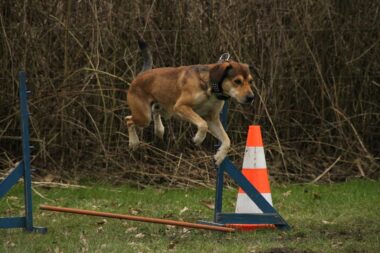
Agility equipment can also benefit dogs with specific needs by promoting their physical activity levels. Items like tunnels, cones, and weave poles encourage dogs to navigate courses creatively. These setups help stimulate both their minds and bodies, promoting vitality and reducing the risk of weight-related problems. Setting up an agility course at home can be simple, using household items creatively. Start with gentle obstacles at lower heights to accommodate your dog’s capabilities and comfort levels. You can increase the complexity over time, ensuring that your dog is ready for more significant challenges as they progress. Make sure to regularly evaluate their progress and adjust the course accordingly. Positive reinforcement will improve your dog’s confidence as they successfully complete tasks. Agility workouts can also be an excellent bonding experience, fostering a strong connection between you and your pet. Combining agility exercises with routine outings will create a comprehensive approach to exercise that benefits every special needs dog.
Hydrotherapy Equipment
Hydrotherapy is an increasingly popular option for dogs with special needs, especially those recovering from injuries. Floating devices, such as buoyancy vests or flotation collars, can aid in easing your pet into water exercises. The natural buoyancy of water alleviates strain on your dog’s joints while allowing for more expansive movement. Regular hydrotherapy sessions promote muscle strengthening and enhance overall mobility without the same impact as land exercises. When selecting hydrotherapy equipment, ensure it is designed specifically for dogs, prioritizing safety and comfort. Supervision during sessions is crucial to prevent any lingering fears or anxieties associated with water. Start slowly to allow your dog to acclimate to the water environment. Additionally, work with a professional who specializes in canine hydrotherapy to maximize the benefits. This form of exercise not only improves physical capabilities but also offers emotional enrichment as dogs experience the soothing sensation of water. Hydrotherapy can become a fun and effective way for your special needs dog to stay active.
Finally, always keep in mind that consistency is crucial when it comes to working with dogs that have special needs. By routine exercising and engaging with various types of equipment, dogs can develop better strength, coordination, and overall health. Each dog is unique, requiring specific adaptations to their exercise routines. It is essential to pay close attention to them, encouraging gradual progress and celebrating small victories. Be patient and compassionate, understanding that challenges may arise during their journey. Your support will help them feel secure and promote a positive mindset. With a proper exercise plan, which incorporates a variety of equipment, your dog can thrive. Moreover, regular activity will lead to improved well-being physically and mentally, making daily interactions more enjoyable for both of you. Ultimately, being an informed owner will create an environment where your special needs dog can flourish. Remember, the goal is to foster joy and fitness while keeping them safe and active for a fulfilling life.