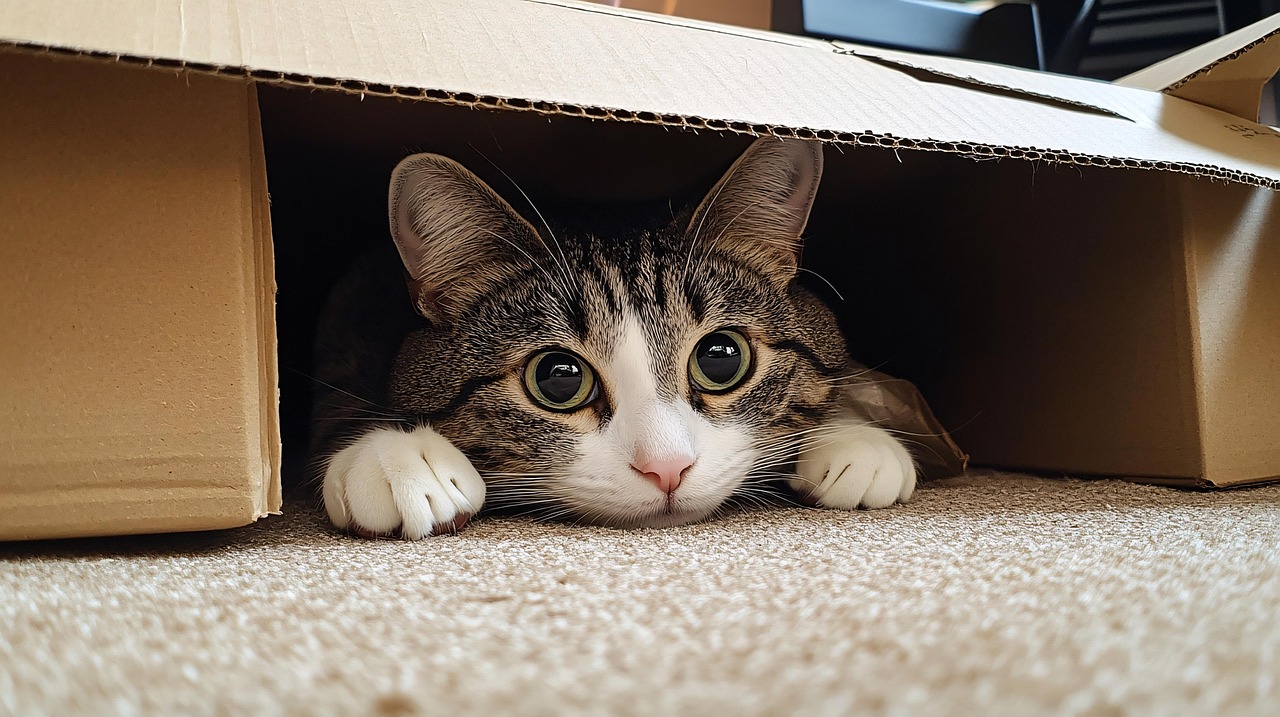

Understanding Hide and Seek: Why Kittens Hide
Kittens are inherently curious creatures, displaying an array of fascinating behaviors as they interact with their environment. One behavior pet owners frequently observe is hiding. This instinct to seek out small spaces is deeply embedded in feline nature. Of course, their fascination with hiding is not merely playful; it has evolved from their ancestry. Wild cats often hide from potential threats. Thus, this instinct remains strong in their domesticated counterparts. Understanding kitten hiding behavior is essential for effective care. Kittens will often choose various spots, ranging from behind furniture to tucked away inside closets, showcasing their desire for safety and security. Additionally, kittens may hide when experiencing stress or anxiety. Factors such as new environments, loud noises, or changes in routine contribute significantly. Understanding these motivations allows pet owners to provide comfort and reassurance. By offering quiet spaces with cozy bedding, you can help your kitten feel secure during overwhelming times. Creating an environment that respects their instincts encourages healthy behavior in several ways, helping to foster a trusting bond between owner and pet. Thus, recognizing why kittens hide can greatly enhance responsible cat ownership.
Moreover, kitten behavior often includes hiding as part of their play and exploration routine. Kittens are natural hunters, and their instinct to pounce on unsuspecting prey is crucial for their development. In this playful context, hiding becomes a playful interaction between kittens and their surroundings. Viewpoints on this behavior suggest that, by hiding, kittens are practicing essential skills they will use as adults. Their environment must be filled with safe spaces for exploration and hiding. Therefore, owners can actively contribute to their development by providing engaging environmental elements. Items like boxes, tunnels, or cat trees create exciting hiding spots. These structures foster not just hiding but also opportunities for play, climbing, and learning. The result is a more confident and adaptable kitten. Additionally, refer to expert literature or veterinarian guidance to tailor suitable environments for your young feline friend. Providing such stimulating environments ultimately leads to improved mental health and well-being for your kitten. It aids in reducing anxiety and encourages active engagement. Thus, promoting a playful, engaging space not only caters to their natural instincts but also strengthens the bond between you and your furry companion.
Environmental Factors Influencing Kitten Behavior
Various environmental factors play a crucial role in molding kitten behavior, especially concerning hiding instincts. Kittens thrive in environments that offer both safety and adventure. A chaotic household with constant loud noises or sudden movements may incite anxiety, triggering a desire to hide. As a result, it’s essential to identify these stressors and minimize their impact. Creating a calm atmosphere benefits not just kittens but all household pets. Ensuring a quiet and secure area where your kitten can retreat is critical for their development. Soft lighting and gentle sounds can help create a more peaceful environment, making them feel secure. Additionally, consider the socialization efforts involved. Kittens raised in social settings are more likely to embrace exploration, making them less inclined to hide. Socializing your kitten early through positive experiences with people and other pets fosters their confidence. This helps them feel more comfortable venturing out rather than seeking hideaways. Finally, remember the value of positive reinforcement in this process. Rewarding your kitten when they explore reduces the likelihood of excessive hiding. Creating the right environment is about balancing security with opportunities for exploration.
Understanding group dynamics among multiple pets can help shed light on kitten hiding behaviors as well. When introducing a new kitten to an existing household of pets, tensions may arise. Established animals may present a challenge, leading to the new kitten feeling threatened. Providing designated hiding spots helps the newcomer adjust and allows them to feel secure during these transitions. Simultaneously, integrating multiple pets requires special attention to managing interactions. Gradual introductions, through scent swapping and supervised interactions, gradually familiarizes your kittens with their new surroundings. A fear-free environment promotes exploration while reducing the impulse to retreat. Observing your kitten’s interactions with others gives insight into their comfort levels. Watch for signs like hissing or growling, which indicate stress. Reacting quickly to provide comfort allows better adaptation. Additionally, consider the importance of playtime not just for enjoyment but also as a bonding tool. Interactive play sessions can encourage kittens to feel more confident in unfamiliar spaces. Understanding group interactions helps pet owners facilitate smoother transitions while encouraging healthy behaviors among their pets. Every kitten has its personality, so patience is vital while observing their unique patterns.
Sensory Overload: A Kitten’s Perspective
To understand why kittens hide, we need to consider their sensory experience. Kittens’ senses are highly developed, making them especially sensitive to sounds and sights in their environment. Loud noises, sudden movements, and bright lights can lead to sensory overload. Consequently, hiding becomes a survival instinct to escape overwhelming stimuli. It’s essential to monitor the environment surrounding your young feline friend. Reducing loud sounds, or using calming background music can create a more peaceful atmosphere. Moreover, kittens are naturally anxious creatures until they become familiar with their surroundings. Therefore, preventing sensory overload is crucial for their well-being. Using kitten-safe stimuli—like gentle toys or activities—helps engage their skills while limiting excess stimulation. Providing a cozy cave-like space allows them to retreat when necessary, empowering kittens to control their surroundings. This choice reduces anxiety during overwhelming moments, increasing trust in their environment. Additionally, when adjusting to a new home, patience is paramount. Allowing your kitten to explore at their own pace minimizes anxiety while encouraging confidence in their new territory. Understanding sensory overload gives you a better grasp of your kitten’s instinctual behavior, enhancing their overall well-being.
Socialization is an essential aspect of your kitten’s development. Although they may initially hide, proper socialization techniques will encourage confidence. Gradually introducing various stimuli, such as new people, sounds, and experiences, helps create positive associations. Early socialization serves to reduce anxiety around unfamiliar contexts, thus improving their resilience. Cats that are well-socialized are more inclined to interact with their human companions rather than retreat to their hiding spots. This is crucial for developing healthy emotional dynamics. Engaging in gentle play and providing positive reinforcement through treats fosters exploration. For instance, hiding treats throughout your home encourages your kitten to seek them out. This playful approach cultivates curiosity and reduces the impulse to hide. Moreover, socializing with other pets may also help ease anxiety, providing an opportunity to learn from their experiences and behavior. In contrast, it is essential to keep introductions slow and supervised to prevent stress. Each kitten’s personality varies, so adjusting socialization techniques to match their unique needs is vital. Building a trusting relationship based on understanding your kitten’s comfort levels is the key to promoting their social skills while reducing hiding behaviors.
Final Thoughts on Kitten Hiding Behavior
In summary, kitten hiding is a multi-faceted behavior deeply rooted in their instincts and experiences. As pet owners, understanding these reasons allows for more effective care. Their desire for security, coupled with their youthful curiosity, means that careful observation and interaction are essential. Providing safe hiding spots contributes positively to their mental well-being, while reducing anxiety. Additionally, enabling an engaging environment filled with safe exploration opportunities is invaluable for developing their confidence and social skills. This development is not just beneficial for the kitten but also enhances the bond between you and your new pet. If your kitten exhibits excessive hiding, consider evaluating their environment and experience. Identifying stressors and utilizing positive reinforcement strategies can foster a more relaxed atmosphere. Moreover, patience ensures that each kitten receives the time they need to adapt to their surroundings. Communicating effectively with your young feline and respecting their needs is crucial to their development. By being attentive and supportive, you can turn hiding behaviors into opportunities for exploration and bonding. Understanding their instinctual behavior will contribute to a loving and enriching life together.
Ultimately, recognizing why kittens hide is a critical aspect of understanding their overall behavior. By creating an environment that caters to their needs, you can aid their emotional and social development significantly. Engaging in play, providing comfort, and encouraging exploration are just a few ways to ensure a happy home for your kitten. Remember, nurturing your kitten’s unique personality while respecting their instincts will lead to a more harmonious coexistence. Fostering a loving and secure atmosphere ensures a well-adjusted feline companion for years to come. In conclusion, understanding the myriad reasons behind kitten hiding behavior allows owners to take proactive measures. Therefore, remain observant and patient as you navigate their development journey together. Each kitten is a unique individual, deserving of love and care, and understanding their instincts can only enrich that bond.