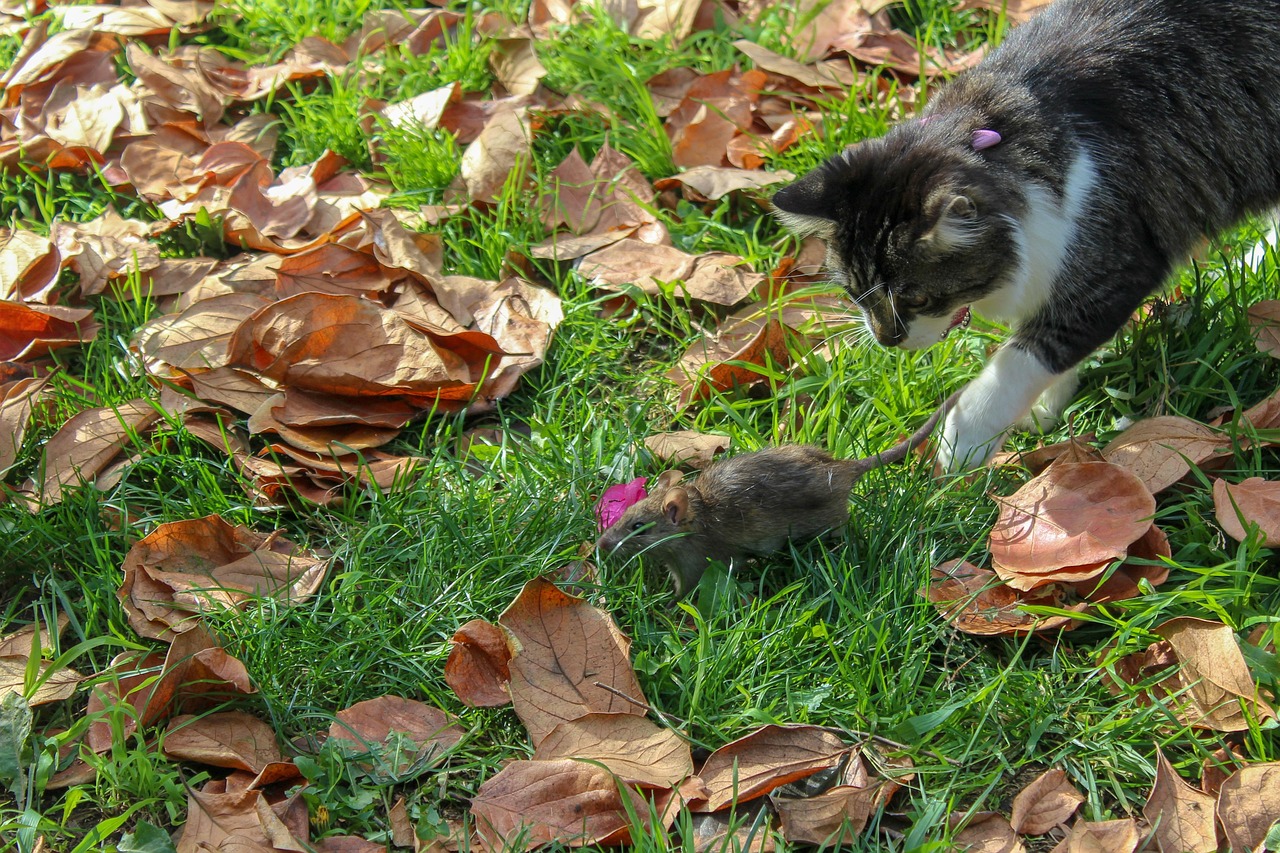

Incorporating Hunting Activities into Your Cat’s Daily Routine
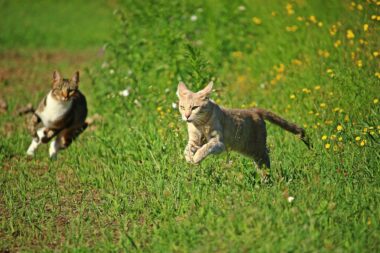
Cats are natural hunters, and incorporating hunting activities into their daily routine can greatly enhance their overall well-being. These hunting activities satisfy their intrinsic need to stalk, chase, and capture. By engaging in such practices, you not only provide entertainment but also physical exercise that is vital for a cat’s health. You can start by mimicking their natural environment, focusing on opportunities that encourage natural instincts. One effective method is to use interactive toys that stimulate hunting behavior, such as feather wands or laser pointers. Regularly rotating these toys keeps the activity fresh, ensuring it captures your cat’s interest consistently. Additionally, consider providing treats or small rewards when your cat successfully engages with a toy. This positive reinforcement enhances their motivation to play and hunt. Try to establish specific play times each day to create a routine that your cat can expect and look forward to. Remember, patience is key. If your cat seems hesitant initially, give them time to acclimatize. Over time, you’ll notice their hunting skills improving alongside their confidence in engaging with the world around them.
Another excellent method to nurture your cat’s hunting instincts is to encourage exploration within a controlled environment. Consider setting up a series of obstacles or hiding spots where your cat can venture through and discover hidden toys or treats. Utilizing cardboard boxes, paper bags, and tunnels are simple yet highly effective ways to create a stimulating indoor environment. These setups mimic the natural surroundings where cats would typically hunt for prey. You may also utilize puzzle feeders designed to dispense treats as your cat investigates and interacts with the device. This increases both physical and mental stimulation, fulfilling their hunting desires. Observing your cat succeed in ‘hunting’ for these treats will boost their confidence and keep their mind engaged. Also, consider varying the locations of play items to keep them guessing and encourage exploration. A change in scenery can enrich their experience, promoting curiosity and exploratory behavior. Be mindful that each cat is unique, so some may adapt to this better than others. Above all, adapt your approach based on your pet’s response to make hunting activities enjoyable rather than forced.
Utilizing Outdoor Space Wisely
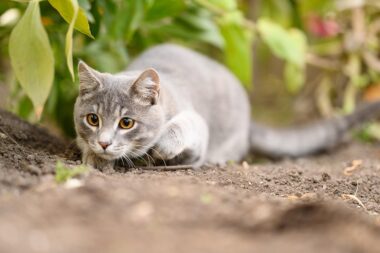
If you have access to a secure outdoor space, it can serve as an ideal setting for allowing your cat to express their hunting instincts. Supervised outdoor time enables your cat to explore, sniff, and engage with the natural environment. Setting up a catio (a secure outdoor enclosure) can provide a safe area for your cat to experience nature while keeping potential hazards like wandering pets or traffic at bay. Additionally, if your cat is comfortable with it, consider using a harness and leash for controlled outdoor adventures. This will give them the opportunity to explore safely without the risk of escaping. While outside, you can introduce them to natural stimuli like rustling leaves or insects, which can trigger their playful instincts. It’s crucial to keep a watchful eye to prevent any dangerous encounters. Routes can be taken to maximize their engagement, perhaps involving movement such as walking or finding treats hidden in the foliage. Engaging outdoors can also help your cat maintain a healthy weight and reduce boredom-related behavioral problems that might arise from staying indoors too long.
In addition to play, incorporating training sessions focused on natural hunting instincts can enrich your cat’s routine. Teaching your cat to respond to cues for stalking or pouncing can harness their natural behaviors and allow for collaboration during play. Use enticing treats to motivate them while teaching commands like ‘stalk’ or ‘pounce.’ You can simulate prey and use a target stick or your hand to guide their movement, rewarding them each time they successfully follow the cue. This exercise serves as mental enrichment and enhances the bond between you and your cat through teamwork. Training sessions do not need to be lengthy; short, focused intervals are ideal to capture motivation without losing interest. Therefore, it’s best to keep sessions to around five to ten minutes. Observe and adjust based on their engagement level during training and ensure it stays enjoyable. This will ensure your cat feels satisfied and fulfilled during these practices, turning training into a game rather than a chore. Consistency in your approaches will yield better results and help strengthen your cat’s instinctual responses during interactive play.
Creating a Hunter’s Environment
To truly cultivate your cat’s natural hunting instincts, transforming your home into a stimulating environment is key. Cats thrive in settings where they can explore different heights, textures, and areas to hide. Vertical spaces like cat trees or shelves provide opportunities for observation and stealth, mimicking natural hunting scenarios. Having varied terrain-like platforms encourages climbing and jumping, which are essential aspects of the stalking process. By installing shelves or towers, you create a multi-level adventure that adds to their daily exercise. Also, consider strategically placing scratching posts and toys to guide movement across a rich landscape. Regularly rearranging or introducing new elements can keep the environment fresh and engaging. Additionally, incorporating varied materials such as carpet, wood, or sisal will help to mimic the outdoors, appealing to their tactile senses. You can also consider adding a window perch to allow your cat to watch wildlife outside, spurring their curiosity and instincts. Providing a stimulating environment ensures your cat has opportunities to exercise both mentally and physically, which is crucial for their overall well-being and happiness.
A crucial aspect often overlooked in encouraging hunting instincts is ensuring your cat maintains good health. Regular vet visits should be a priority to monitor their weight, dental health, and any underlying issues that may impact their physical abilities. Obesity can severely affect your cat’s ability to engage in physical activities and curtail their natural instincts. Encourage play that promotes fitness and agility; engaging with your cat using a variety of toys can help keep them slim and active. Ensure they maintain a balanced diet of high-quality cat food that meets their nutritional needs and supports their energy levels for play. Observe their eating habits to gauge when workouts can be effectively integrated alongside mealtime. Furthermore, consider establishing interactive meal times where you can hide their kibble or treats around the house, transforming feeding into an engaging hunting opportunity. This not only stimulates their hunting instincts but also makes mealtime exciting. If your cat is averse to traditional playtime, catering to their natural behaviors while ensuring health can lead to significant advancements in their activity levels.
Conclusion and the Future of Training
In conclusion, incorporating hunting activities into your cat’s daily routine enhances their well-being and strengthens the bond you share. Encouraging natural hunting instincts is possible through diverse strategies, including interactive play, creating stimulating environments, and promoting healthy habits to encourage physical and mental fitness. A holistic approach that incorporates varied activities can ensure your cat remains engaged and fulfills their instinctual needs. Remember to keep play fun and rewarding to foster long-term interest. As you continue to explore new ideas, you’ll likely uncover additional fun elements to introduce continually. Keeping routines fresh can also prevent boredom, making your cat’s daily life enriching. Learning and adapting your method based on your cat’s unique preferences and personality will significantly enhance interactions. Engaging in their natural hunting instincts provides the right balance of physical exercise and mental engagement, leading to a happier, healthier feline. In turn, this ultimately results in a more harmonious household for both you and your cat, promoting lifelong good health habits and enjoyable daily experiences.
Incorporating hunting activities into your cat’s daily routine enhances their well-being and strengthens the bond you share. Encouraging natural hunting instincts is possible through diverse strategies, including interactive play, creating stimulating environments, and promoting healthy habits to encourage physical and mental fitness. A holistic approach that incorporates varied activities can ensure your cat remains engaged and fulfills their instinctual needs. Remember to keep play fun and rewarding to foster long-term interest. As you continue to explore new ideas, you’ll likely uncover additional fun elements to introduce continually. Keeping routines fresh can also prevent boredom, making your cat’s daily life enriching. Learning and adapting your method based on your cat’s unique preferences and personality will significantly enhance interactions. Engaging in their natural hunting instincts provides the right balance of physical exercise and mental engagement, leading to a happier, healthier feline. In turn, this ultimately results in a more harmonious household for both you and your cat, promoting lifelong good health habits and enjoyable daily experiences.